In brief
From a governor’s office in northern Afghanistan to Kabul’s shadowy corridors, the Taliban’s rule is being exposed in stark detail. A 18‑year‑old woman confronts a former Taliban commander about an abusive marriage, while officials openly demean women's intellect. Powerful figures, once militant, now wield state power while resisting modern communication and clinging to strict Islamic law. The story highlights continued restrictions on women’s education, press freedom, and the irony of the Taliban’s claims of reform amidst unchanged policies.
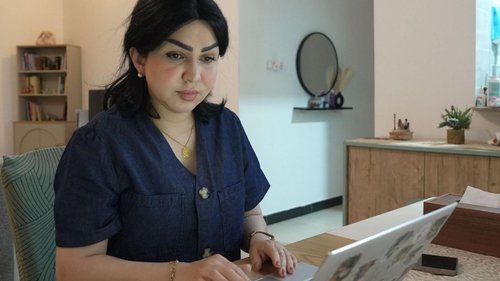
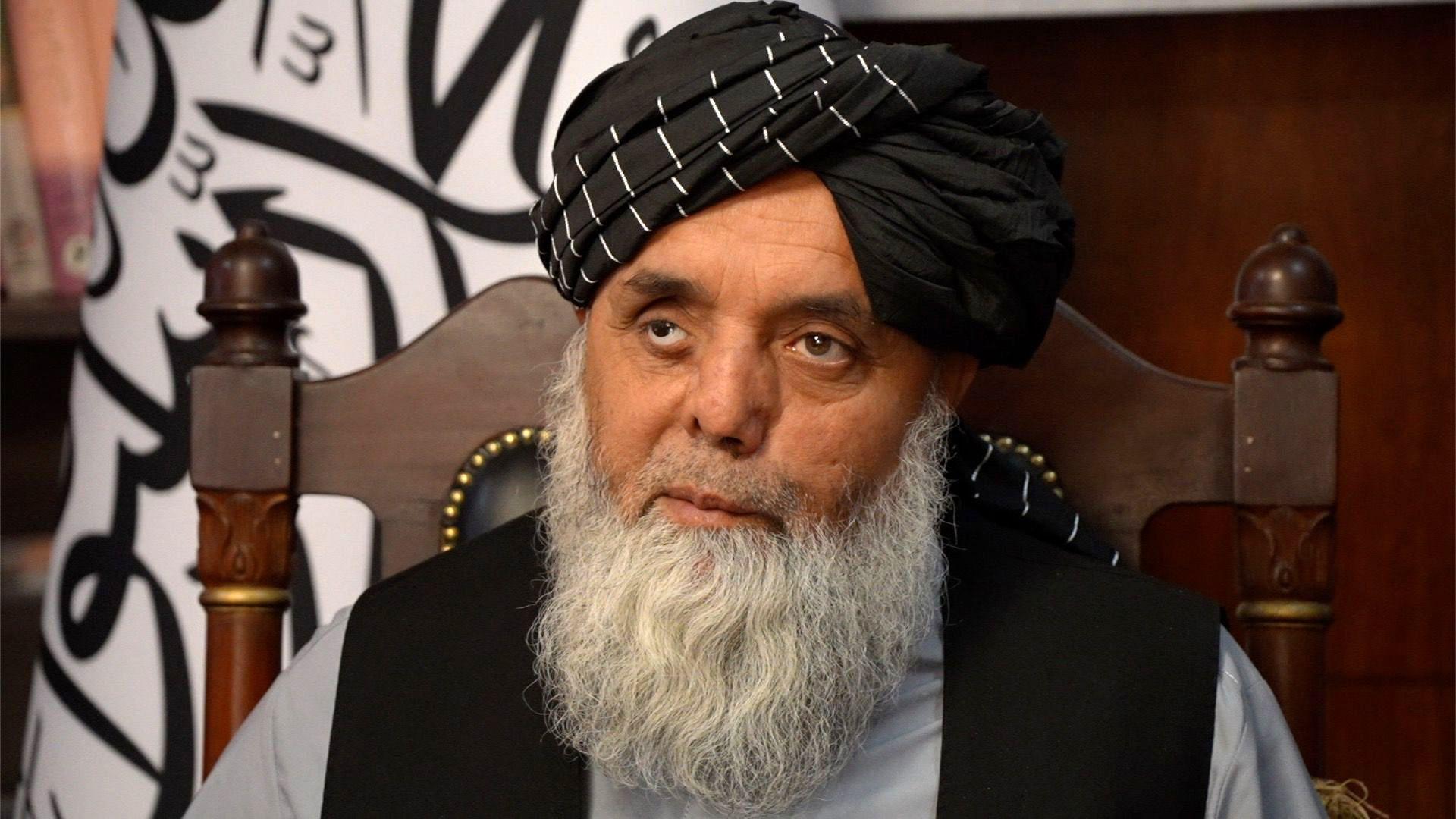
In the governor’s tidy office in Sheberghan, a young woman in a full‑face veil steps forward to ask for a divorce—an act that most Taliban‑rule residents would doubt could even be considered. The former Taliban commander, Governor Abdullah Sarhadi, responds with a callous comment that women are “mindless and deficient in intellect,” flanked by male officials and bodyguards who laugh. The case uncovers the everyday reality of a regime that still insists on the hard‑line Sharia interpretation that restricts women’s autonomy and freedom.
Television footage shows the governor distributing funds for a local mosque and a boy’s broken arm, juxtaposed with his refusal to let a woman claim a right she sees as legitimate. The same stubborn leadership is echoed across Afghanistan. In Kabul, senior Taliban figure Habibullah Badr, once involved in planning suicide attacks, now drives around on a mobile phone in an armed car, revealing how deeply entrenched power structures have repurposed former militants into public officials.
Technology is falling behind with restrictions on smartphones for officials, a ban that Sarhadi links to administrative delays and a fear of “trouble.” This limit on communication speeds the bureaucracy and creates a door for personal influence over state decisions. Yet the same officials make outlandish statements, such as insisting they “have destroyed” ancient statues because it aligns with divine law—a rhetoric that echoes the Taliban’s first reign in the 1990s.
Women’s struggles grow deeper in a nation where secondary schooling is denied and travel alone is often forbidden. Though some senior Taliban leaders offer to “reopen girls’ schools,” officials make multiple statements that oppose the opening of women’s education or restrict women’s participation in work. Voice‑skeptical media, such as the BBC, has met increased pressure, with journalists experiencing summonses from the intelligence apparatus and hostile scrutiny.
The Taliban’s public face—Zabihullah Mujahid—adheres to an unapologetic stance that frames all freedom of speech and women’s rights strictly within the confines of Sharia law. Even though he said early on the government would allow women to work and study within “our framework,” the reality shows law and demand are locked in a tug‑of‑war where the chain of power resists more liberal outcomes.
The military’s integration of former insurgents, the controlled loyalist network, and the chilling matrix of internal interviews paint a stark picture of power that feels more “ordinary” than totalitarian, yet it remains surrounded by false promises. Afghan people speak of a world where they can no longer imagine futures free of intimidation, as they face dire conditions while the state remains stubbornly conservative and unsympathetic to change.