In brief
The Taliban has recently ordered the shutdown of BBC FM transmissions throughout Afghanistan, citing unspecified repeated violations. Although the BBC remains the sole international broadcaster operating in the country, the move raises alarms about shrinking media space under Taliban rule. BBC's audience, numbering millions each week, now relies on shortwave, medium wave and online platforms to hear news in Pashto, Dari and English. This decision underscores the Taliban's tightening grip on domestic media, a restriction that already limits music, reduces female visibility on air, and hampers educational programs for girls. The Sri formerly an authoritative voice in the region since 1981, BBC has faced increasing pressure amid tight controls over journalism and information services.
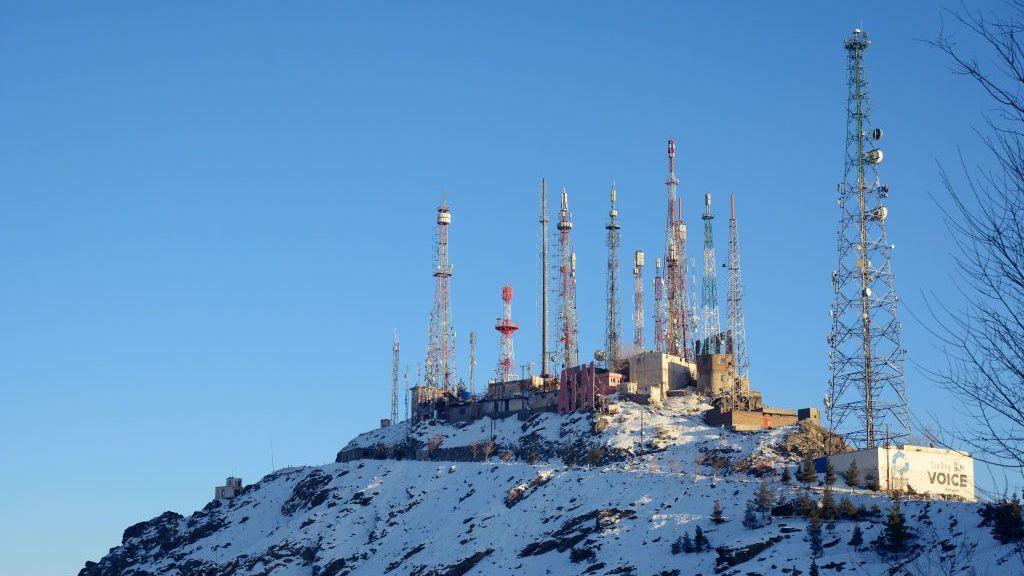
The Taliban government has halted the transmission of BBC broadcasts from FM radio sites across Afghanistan, citing “repeated violations” by the broadcaster.
The BBC has long been the only international media outlet to operate inside Afghanistan, after U.S. agencies were prohibited in 2022. Service managers say the suspension could severely curtail the information flow to millions who rely on the network’s Pashto, Dari, and English commentary.
The broadcaster asserts it continues to report fairly and independently via shortwave, medium wave, satellite and its online platforms, reaching more than 20% of Afghanistan’s adult population each week. Its coverage includes educational programming aimed at girls, who have been barred from secondary schooling under the Taliban’s rule.
Taliban Minister for Information and Culture Khubaib Ghufran told local media, “Due to some repeated violations by the BBC, it is decided that for the time being its activity is suspended across the country.” The decision reflects the regime’s broader tightening of media, with music bans, restricted female visibility on television, and a dismissal of alternative news sources.
Lack of reliable electricity, prohibitive costs and low literacy rates also limit social media use among Afghans, further concentrating attention on radio and satellite broadcasts, which remain the only guaranteed venues for independent journalism in the country.
Since its origins in 1981, the BBC’s Afghan service has become a staple for many residents, offering a critical link to international events at a time when domestic media is tightly controlled.
Image: Getty Images