Afghan women footballers return to the pitch after a 12‑year ban
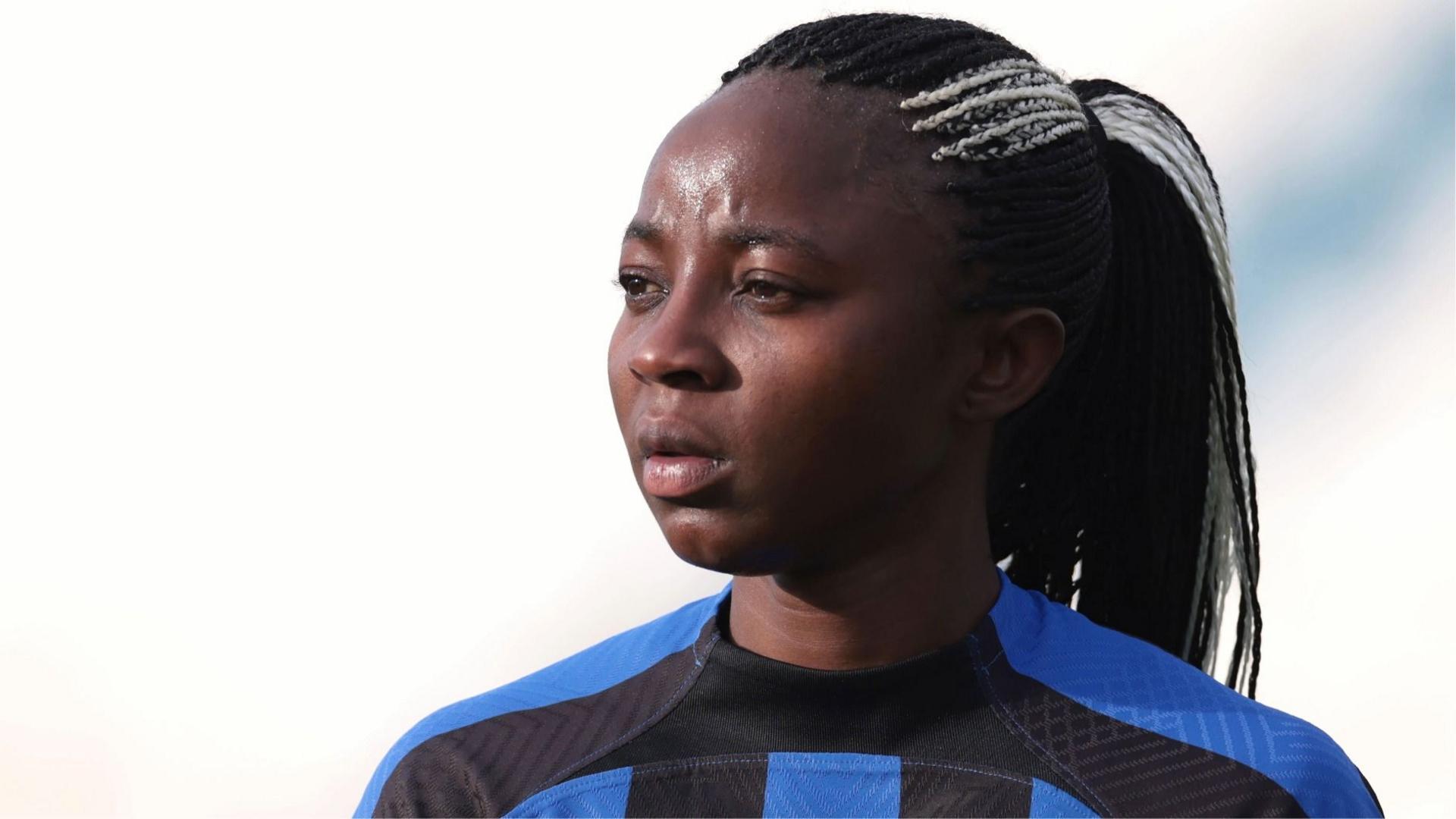
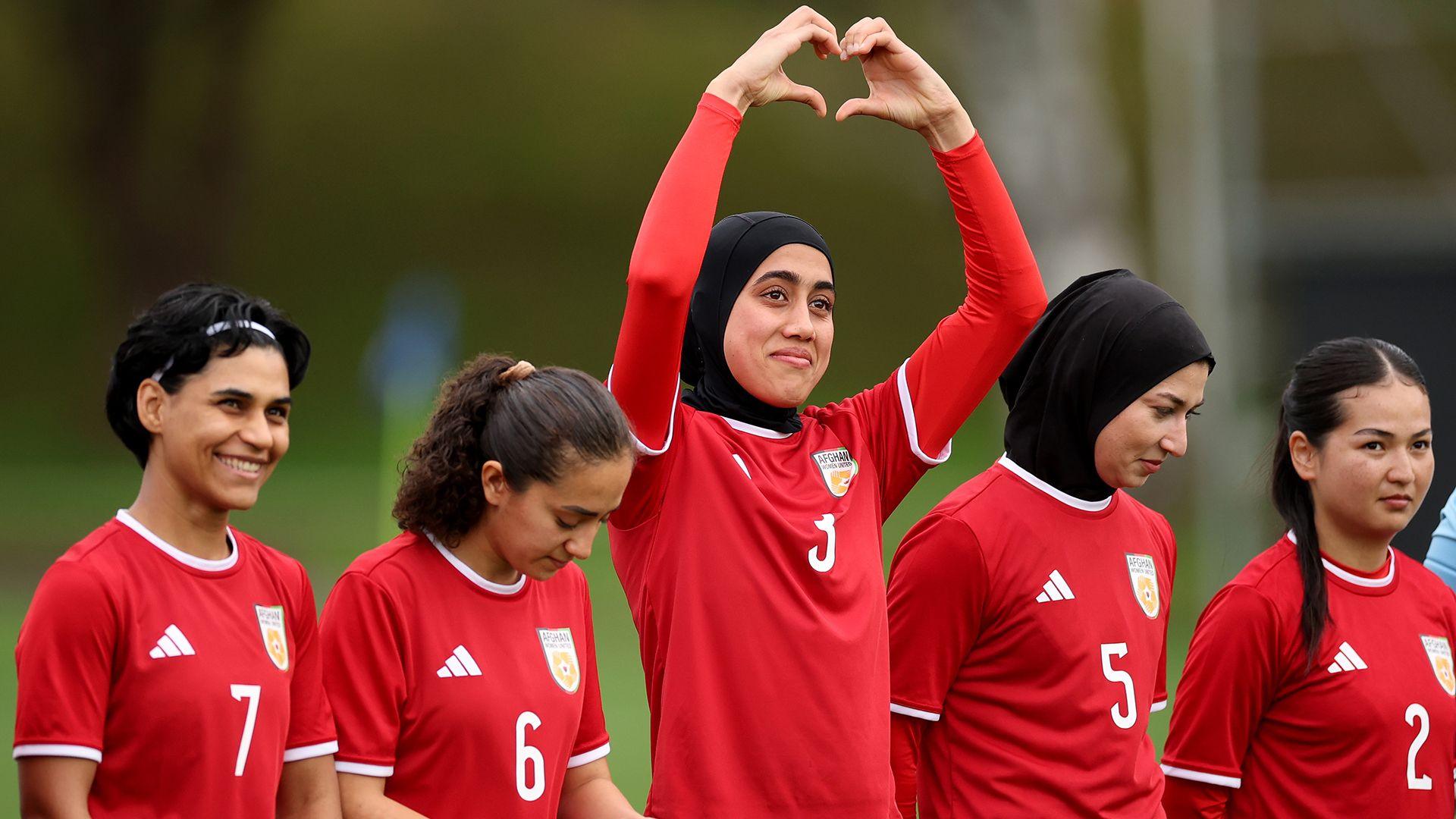
The Afghan Women United squad arrived in Auckland, New Zealand, for a training camp and to play two friendly matches against the Cook Islands. The team’s reunion is historic – it is the first time the athletes have been together since FIFA lifted restrictions that had barred the nation’s women from representing Afghanistan in international competition.
The decision by FIFA to recognize Afghan Women United, which had run under the umbrella of the Afghan Football Association while the Taliban was in power, marks a turning point. “We can finally move forward and try to qualify for a World Cup or Olympics,” said coach Sarbazi. The move acknowledges that Afghan female players have been competing in exile for years, often in clandestine settings.
Women like Manozh Noori, a former striker from Kabul, describe a journey that began playing in street games with boys, hiding their identity behind face masks to avoid family backlash. When Taliban forces re‑established control in 2021, she fled to Australia, burying her medals in her garden before leaving the country. “Football helped my family to leave Afghanistan,” she told BBC Global Women. She later brought her mother and sister, who had remained in Kabul, to Australia, underscoring the sport’s power as a gateway to safety.
Other squad members such as Mursal Sadat – a former coach and youth facilitator living in England – reflect the emotional toll of exile. “If I wasn’t a footballer, I would still be in Afghanistan, one of millions of girls denied a voice,” she commented. Sadat’s role as a refugee advocate connects her sporting career to broader human‑rights activism.
The matches themselves were fought on wet Auckland pitches, with the Cook Islands winning both 1‑0 and 3‑0. Though the scoreboard shows defeats, the athletes consider the games symbolic victories. They embody a refusal to let their nation’s sport be erased by political upheaval and signal the possibility of future participation in FIFA‑official tournaments.
This collective resilience, stemming from years of hardship, captures the potential for sports to transcend borders and political constraints. Afghan women footballers now compete openly, inspiring future generations and demonstrating the universal language of football as a vehicle for hope and change.