In brief
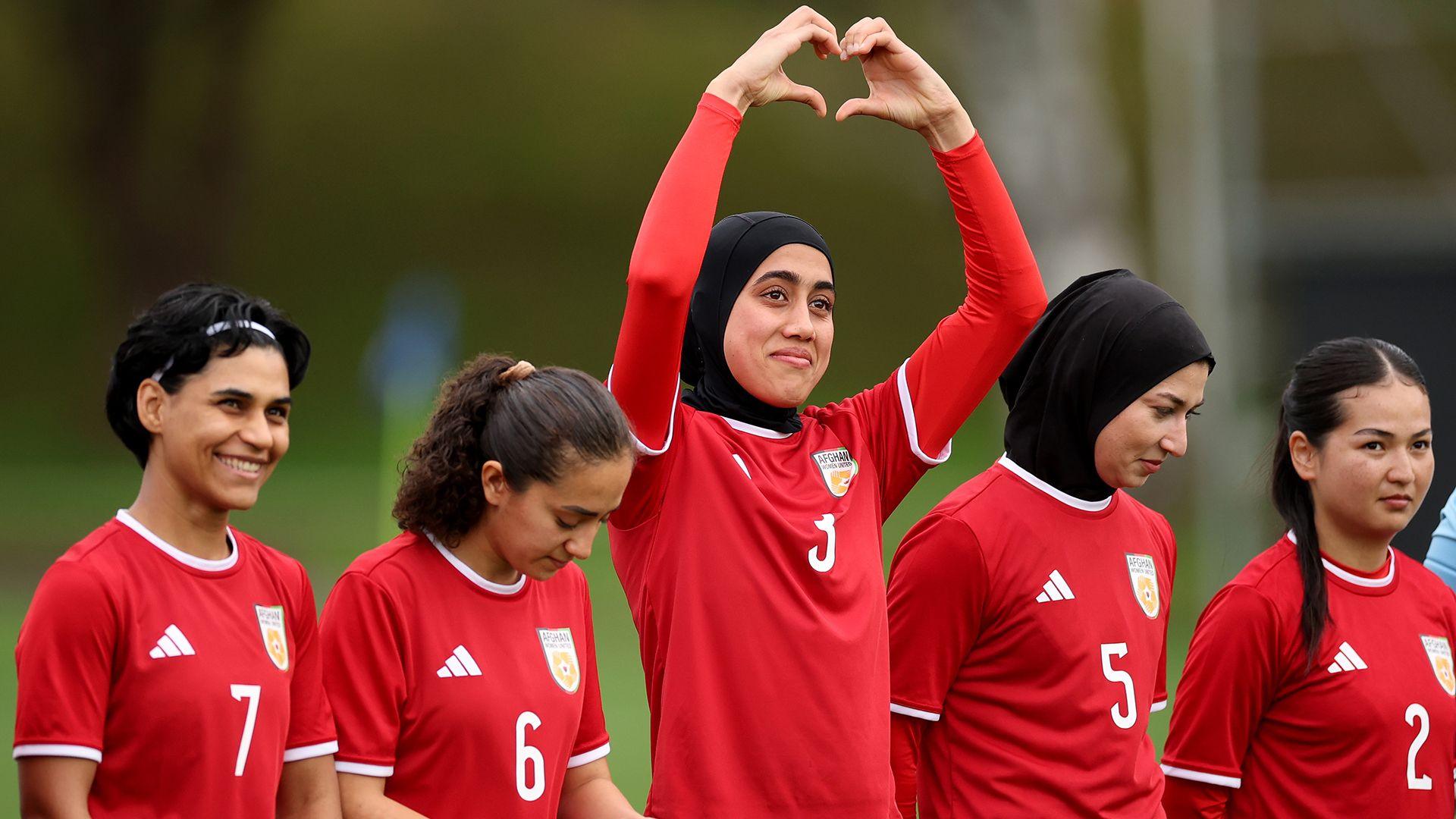
When the Taliban seized power in 2021, Afghan women were barred from playing football, but FIFA’s latest ruling changed that. Eighty‑year‑old players, now living abroad, travelled to Auckland for a training camp and two friendly matches against the Cook Islands. Facing frost and memory‑laden journeys, they celebrate a fragile step toward real competition. Their determination echoes broader struggles for women’s sport in a country still tightening restrictions. This reunion signals a new chapter in Afghan women’s quest for equality on the pitch.
When the Taliban returned to power in August 2021, a decision that closed female doors in schools and sports, Afghanistan’s first women’s football team vanished into exile. In 2026, after a worldwide push, FIFA approved a formal “refugee” status for the nation’s women players. This ruling lets them compete internationally for the first time, and the team has now gathered in Auckland, New Zealand, to kick off a controversial training camp.
Eight kilometres away from the skies where the Taliban once commanded, the players stand in a red kit, the AF‑flag flaring beside them. Half a‑minute before their first friendly against the Cook Islands, a coach ladles words of courage. “Be strong as always because we represent Afghan women,” he urges, and the stadium’s siren of a national anthem blares over a flag‑wave heavy rally.
Their journey to this stage is an odyssey of loss and bravery. Featured in this cover are eight women whose names read like a chant of hope. Each faced government‑led roadblocks – a resettlement visa stalled, a season of training postponed, a threat to family safety. Some hid their helmets behind a face mask while battling the smell of dust in Kabul’s streets. Yet while the Taliban declared women’s sports a violation of the Islamic order, the team continued to practice secretly in shelters and safe houses.
The report highlights the story of Manozh Noori, a former Kabul street‑baller who later buried her trophies in a garden. Once fleeing the country, her medals remain hidden for four years – a silent testament to half‑lost victories. With the FIFA nod, however, that guard is undone, and players from the likes of Australia, the UK and Portugal can sign a club contract that counts toward a future Olympic dream.
The latest friendly match ends in a 1‑0 defeat – a single goal for the Cook Islands – and later in a 3‑0 loss. Even in those results, the team's spirit is undaunted; their purpose is heritage and anecho‑wave recognition, not points or trophy counts. After midnight showers, the players huddle in an Auckland hotel, a towel‑spun match of zero injuries and pure negotiating the rights that were denied back home.
For someone like Najma Arefi, a defender in her early twenties now living in Doncaster, the experience juxtaposes field fatigue from 45° heat and the scale of opportunity that sports affords. “I study criminal justice, play football and decision‑make alone,” she declares. The geographic shift has turned into a new independence that is still ribboned by guilt for those women left behind.
In the end, the team is a symbolic breakthrough – a demanding soundtrack against a background of a re‑instated radical employer. Their story underlines the deep human cost of a banned sport in the backdrop of an oppressive regime. The Afghan women’s football team’s Auckland matches become a human rights milestone, even as single defeats echo across future tournament qualifiers.