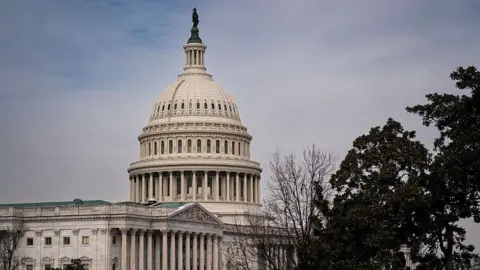
A partial shutdown of the federal government is on the horizon as lawmakers fail to reach an agreement on immigration enforcement funding. With the Department of Homeland Security’s funding deadline approaching this Saturday, the implications of stalled negotiations could lead to significant impacts on federal operations.
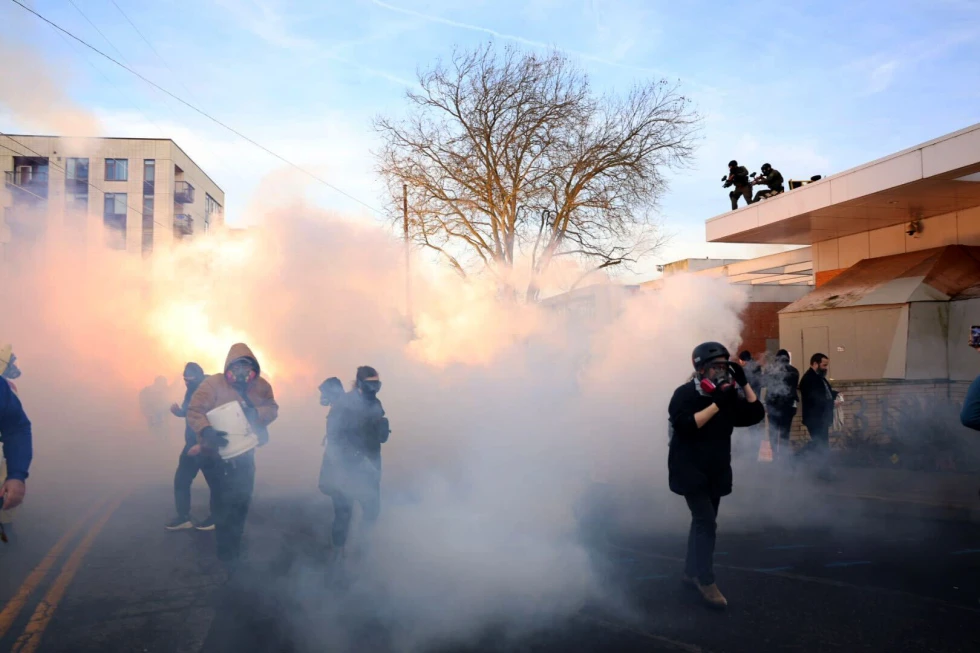
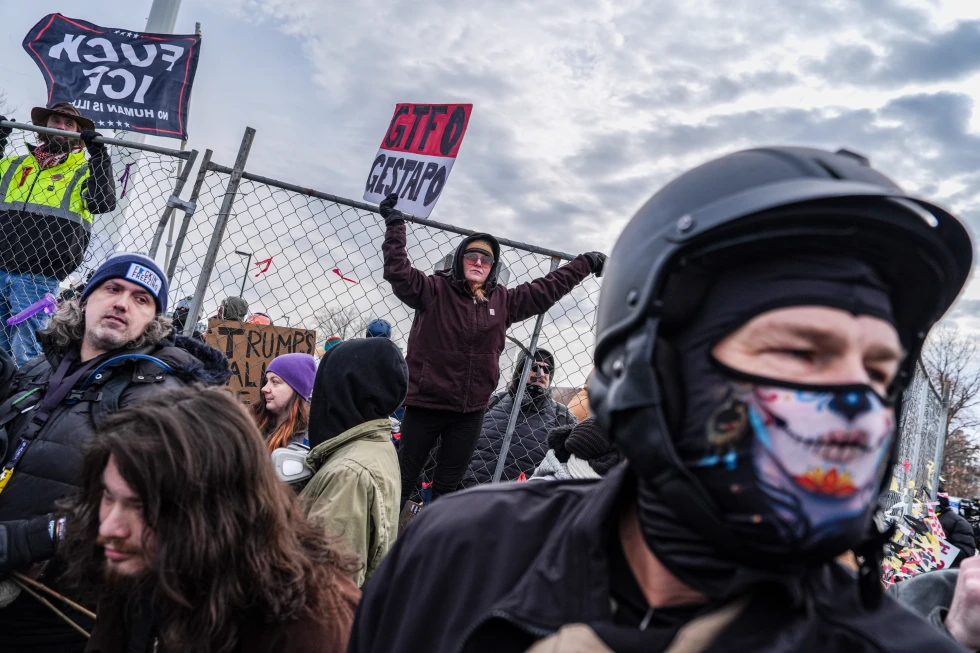
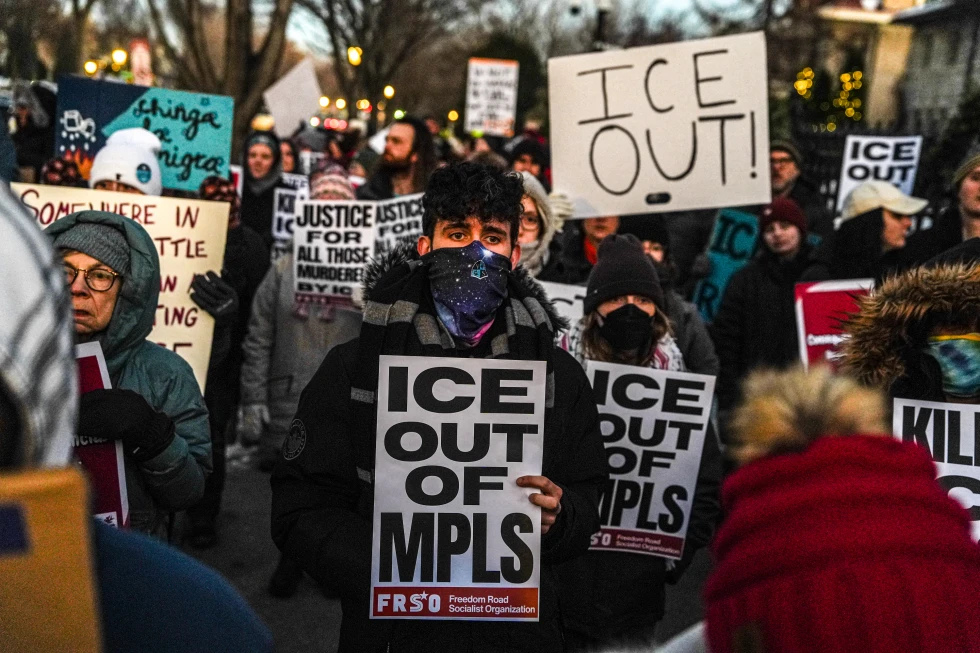
Democratic lawmakers assert they will not support additional funding for DHS until new protocols addressing immigration enforcement are established, particularly after the recent fatalities of protesters in Minnesota. In response to these incidents, they are demanding a code of conduct for federal agents among other measures.
Despite efforts to negotiate terms with the White House, bipartisan talks have not yielded a resolution, which guarantees that critical funds will lapse over the weekend. This shutdown, though less severe than the previous record-breaking shutdown of 43 days, will still affect vital agencies under the DHS, such as Immigration and Customs Enforcement (ICE) and Customs and Border Protection (CBP).
While funding issues are currently confined to these agencies, the potential repercussions loom large for federal workers, many of whom could miss paychecks if the impasse continues. Officials warn that essential services, such as airport screening, may face disruptions if the shutdown is prolonged, with employees already under financial duress from previous shutdowns.
In particular, the Transportation Security Administration (TSA) is anticipated to remain operational, with 95% of its workforce classified as essential. However, they may soon experience increased absenteeism as employees grapple with the stress of working without pay. History shows that during previous shutdowns, such circumstances led to staffing shortages and longer wait times at security checkpoints.
The financial uncertainty facing employees at agencies like the Secret Service and FEMA could also hamper operations, as some staff may be furloughed. Adequate functioning of humanitarian support initiatives may be halted, particularly for disaster relief efforts coordinated by FEMA.
As the debate continues, the question remains whether lawmakers will be able to strike a balance that addresses immigration concerns while also avoiding significant impacts on federal operations and workers' livelihoods.
}