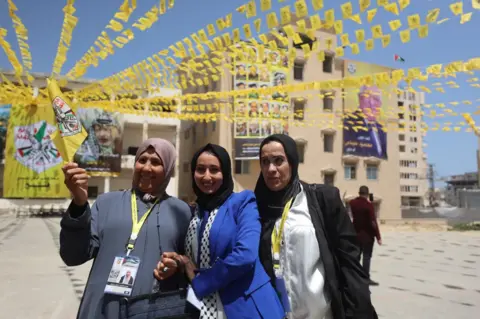
Tens of thousands of vibrantly dressed Ethiopians descended on downtown Addis Ababa for an annual thanksgiving festival this weekend.
Irreecha is celebrated by the Oromo, Ethiopia's largest ethnic group, and takes place at the end of the country's main rainy season.
Each year, festival-goers gather around sacred rivers and lakes to thank their creators for the greenery that the rains have brought.
I've been celebrating Irreecha for the past nine years, 25-year-old Moata Abdulmajid told the BBC. To me, Irreecha represents my identity, it reflects the pride and greatness of my people.\
Men, women, the elderly, and the young all join in, adorned in eye-catching clothes and jewellery. They sing, dance, share stories, and place freshly cut grass and flowers in water - a symbol of life, renewal and hope.
The first day of the festival took place on Saturday in Addis Ababa. On Sunday, festival-goers travelled to Bishoftu, a small town just outside the capital. Although Irreecha has its roots in indigenous faith systems, it is now observed by the majority of Oromos, regardless of their religion.
This year’s celebration unfolded peacefully, with an emphasis on joy, unity, and cultural pride, contrasting with past years where the festival served as a platform for anti-government protests amidst the Oromo's long-standing grievances of political and economic marginalisation.
The rapid growth of social media has further influenced the festival's attendance, with many young attendees documenting their outfits, dances, and celebrations online, marking a shift towards a more universal celebratory experience.