Eritrean Troops Cross Tigray Border as Ethiopia Threatens Retaliation
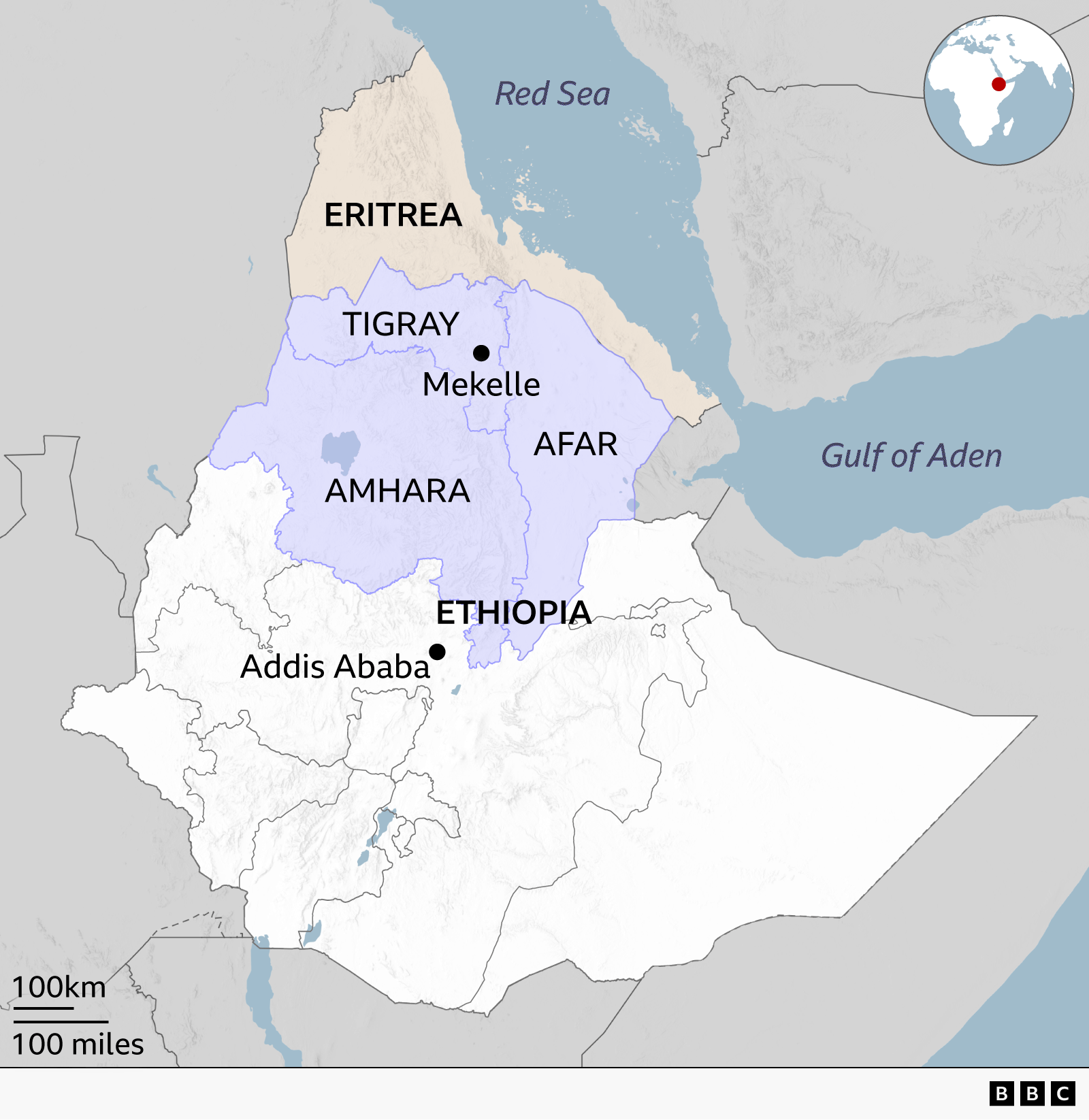
Ethiopia has blasted Eritrea over what it calls an “all‑out invasion” of its northern Tigray region, after residents reported that Eritrean soldiers crossed the border. In a letter to the UN Security Council, Ethiopian Foreign Minister Gedion Timothewos warned that the country would defend itself, calling the alleged incursion a “blatant act of aggression.”

UN Letter and Alleged Invasion
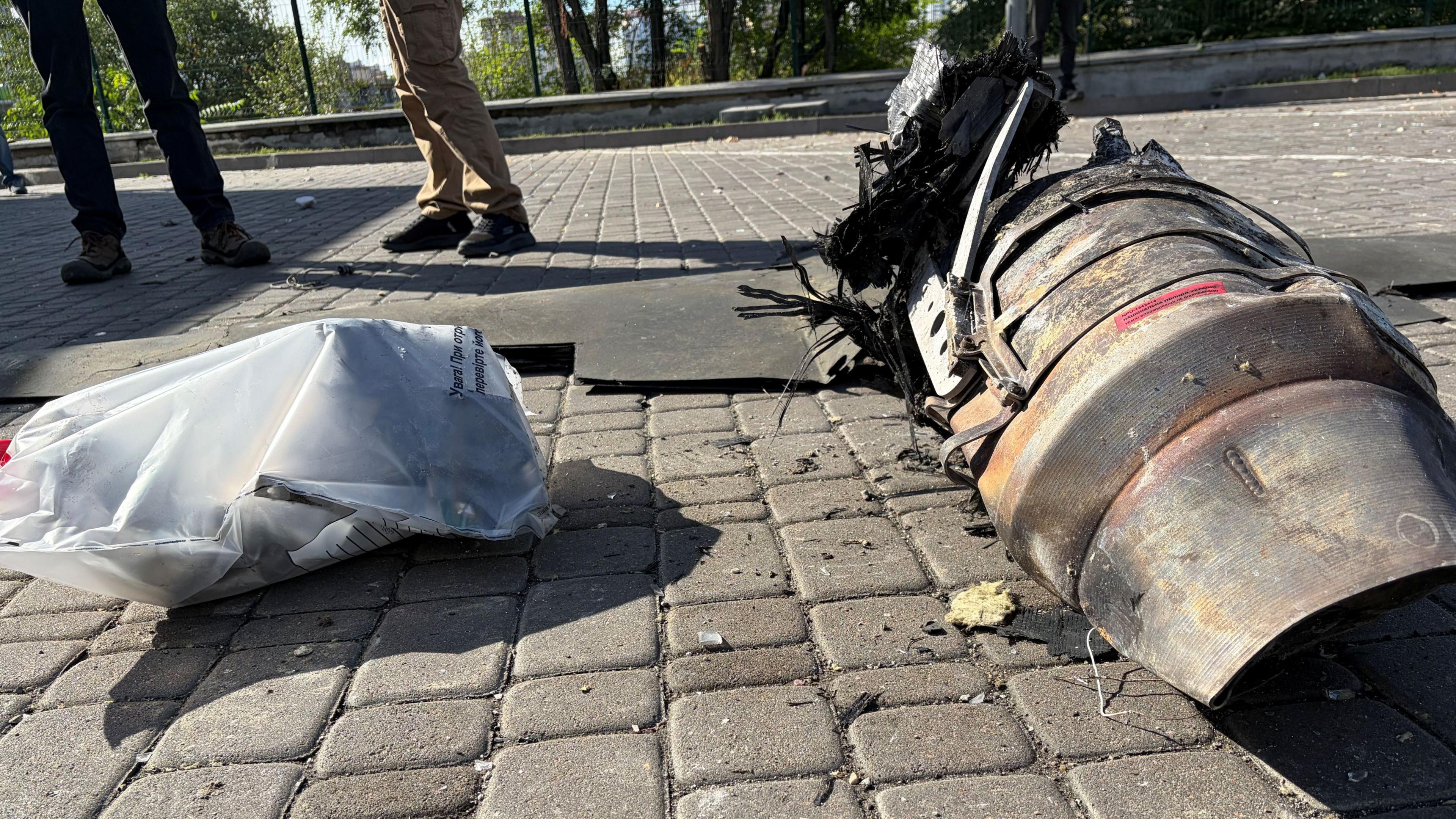
The letter, dated 8 October, urges member states to understand Ethiopia’s right to self‑defence. It cites Eritrean forces allegedly advancing up to 60 km (37 miles) into Tigray, and lists drone strikes reported in the town of Adigrat—whose target was an Eritrean convoy—adding that the strikes “over half of the convoy”.
Fighting Between Government and TPLF
Tensions flare after the civil war, which ended with a 2022 peace deal. Fighting erupted two weeks ago between the Ethiopian state forces and the Tigray People’s Liberation Front (TPLF), which controls northern Tigray. Both sides accuse each other of violating the ceasefire, with Ethiopia pointing to alleged Eritrean support for the TPLF and Eritrea denouncing that as provocations.
Eritrean Reply and Diplomatic Fallout
Eritrean Information Minister Yemane Gebremeskel has responded by describing Ethiopia’s claims as an “unprovoked war of aggression” and blaming the Amharic government for seeking to seize Eritrean territory. Diplomatic ties were severed last week after former tension over the ownership of a Red Sea port rose to a new level.
Potential Escalation and Regional Impact
Analysts warn that widespread drone strikes and troop movements could push the conflict into a regional war. The UN has called for diplomatic engagement, while neighboring states monitor the situation closely. Khalesi Nyangasin, a conflict‑monitoring expert, states that “the next week will be pivotal; a single misstep could trigger a spillover into Somalia or Sudan.”
For continued coverage, follow BBC Africa and the United Nations press office.