Tigray Crisis: 52 Civilians Killed as Ethiopian Forces Advance on Alamata
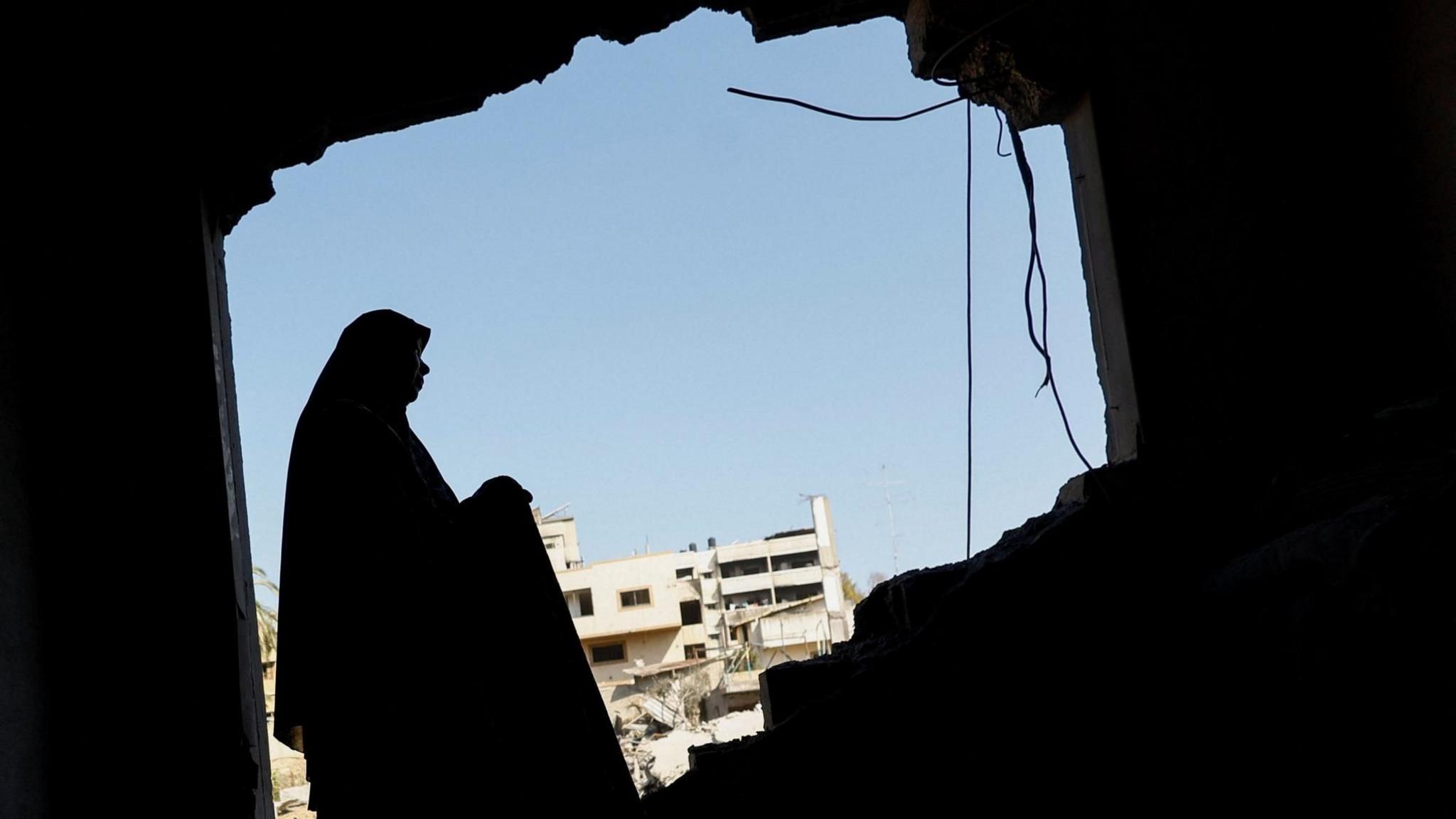
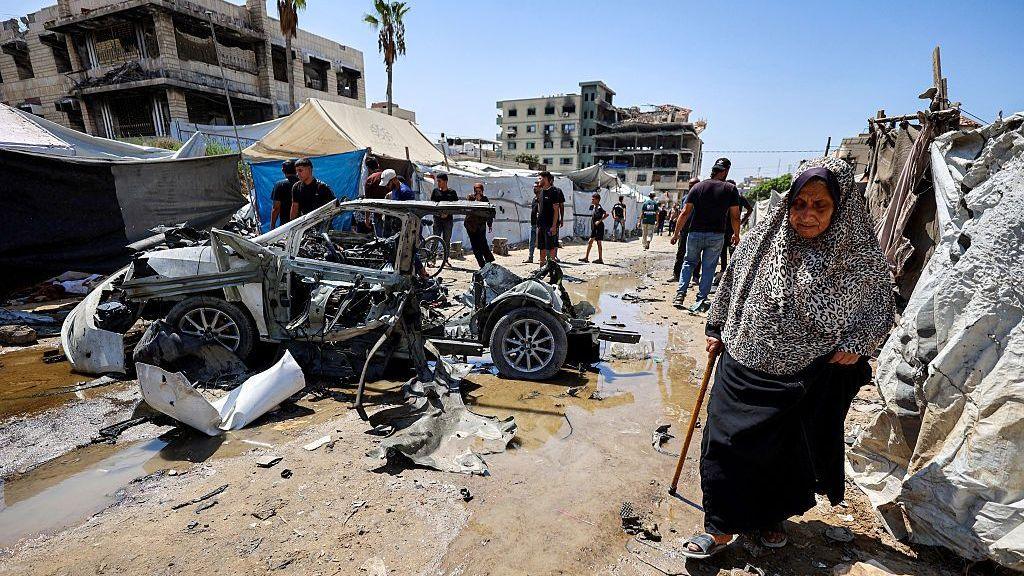
Humanitarian agencies and local hospitals report that at least 52 civilians have lost their lives during the past three days of heavy fighting around the northern Ethiopian town of Alamata. The local general hospital says artillery and explosive bombardment struck densely populated areas, destroying residential homes and killing children as young as three days old.
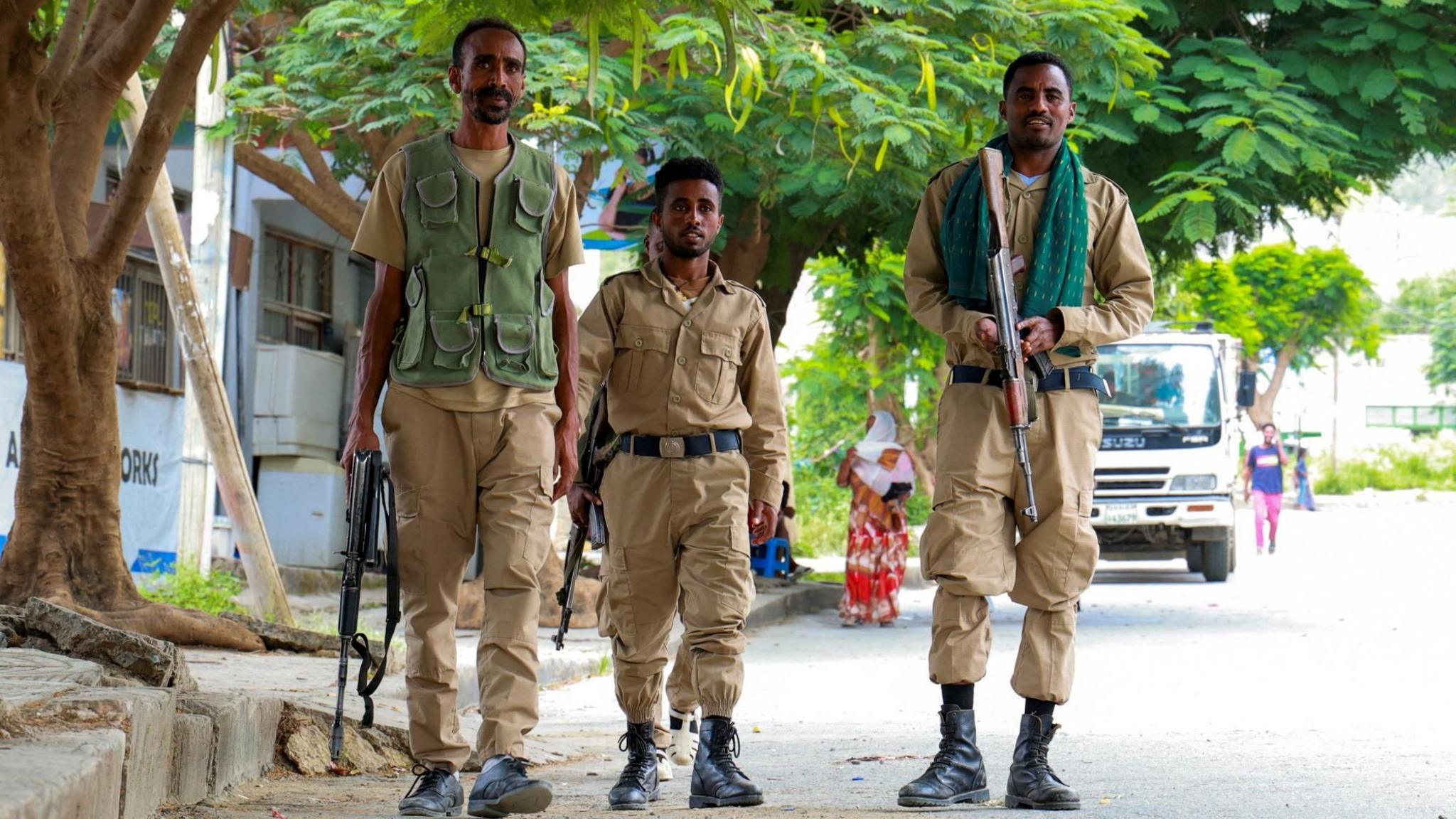
The Ethiopian federal government has secured Alamata from Tigrayan fighters, citing a strategic push toward Mekelle, the region’s main city. In contrast, the Tigrayan Peoples’ Liberation Front (TPLF) insists it was responding to a federal offensive that included drone strikes. Both sides blame the other for violating a 2022 cease‑fire agreement that had ended a two‑year civil war.
The clash has not been confined to Alamata. The state of emergency has closed the regional airport and banks, shut down internet access, and left thousands without power or cash. Residents describe a “humanitarian crisis” as people flee into the town on foot, only to find it cut off from mobile services, electricity and essential supplies.
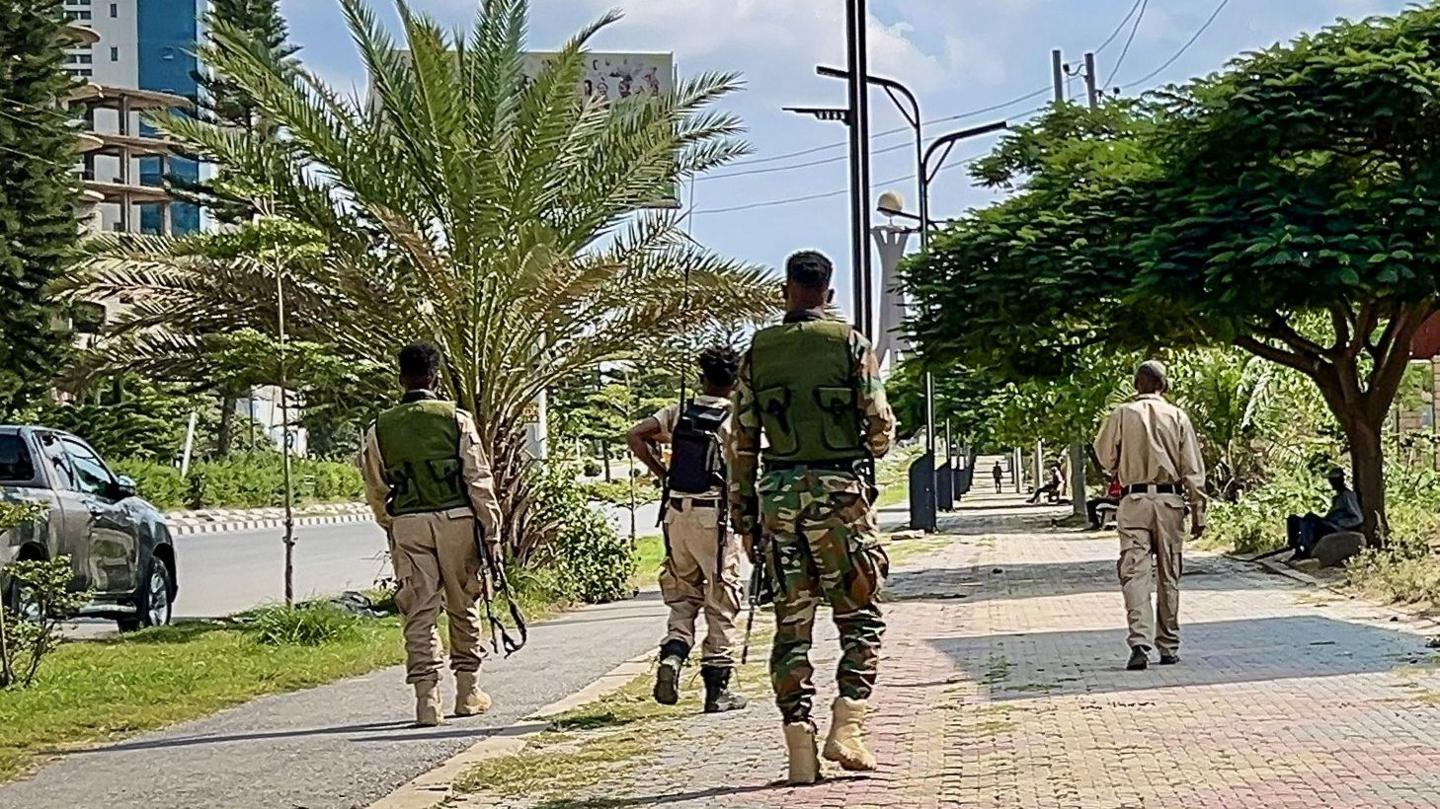
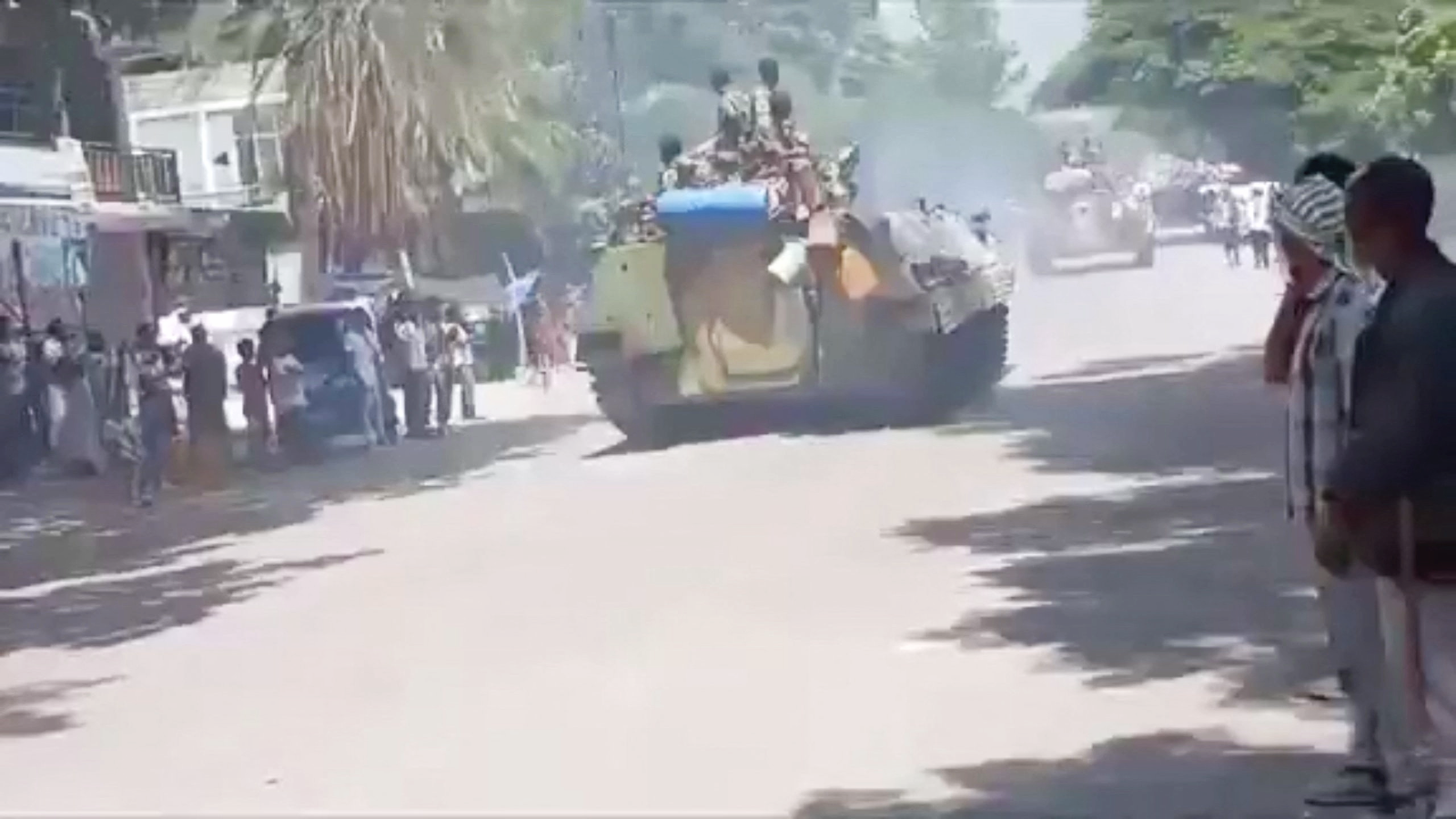
The violence has spilled into surrounding areas, notably the UNESCO heritage town of Lalibela in the Amhara region. Here, a British tourist, who has chosen to remain unnamed, said that the streets were littered with military vehicles, and that the town’s airport was positioned on a military strip used by the Ethiopian army. Despite the turmoil, some efforts have begun to re‑open the airport, with hopes it will resume civilian flights later this week.
Tourists stranded at Lalibela include 53 nationals, 14 of whom were air‑lifted out by a military helicopter the week ago. Other groups – Israelis, Americans, Britons, South Koreans, South Africans, an Ethiopian‑New Zealander and a Mexican – remain trapped as travel advisories warn against road routes. Local authorities have advised visitors to stay within the town’s walls until the situation stabilises.
Humanitarian law groups are alarmed that the conflation of the TPLF, Amhara militia and other Ethiopian armed actors, who formed a seven‑member alliance that aims to topple the Addis Ababa government, may pave the way for Eritrea to become involved. Accusations have surfaced that Asmara is backing the insurgent forces, a claim it denies.
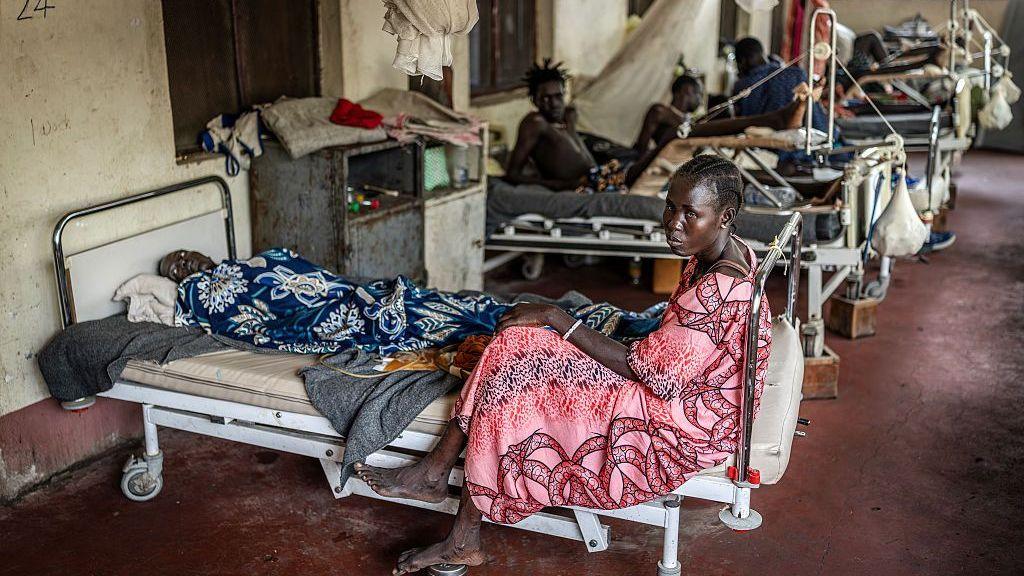
Thousands of people in Tigray now face a severe lack of basic services. UN observers note that Medecs Sans Frontieres reports over 700 wounded patients admitted to local hospitals in the past few days. Meanwhile, Ethiopia’s banking sector has frozen accounts linked to the region, leaving displaced Tigrayans in the capital unable to use mobile transfers for everyday transactions.
In response to the telecom shutdown, the Tigray Broadcasting Service has launched a satellite‑based initiative that collects video messages from outside the region, providing a rare lifeline for families cut off from their loved ones. The initiative offers only basic greetings and updates but is seen as a vital communication bridge during this period of isolation.
The Road Ahead
As fighting escalates, the international community watches closely. The potential spill‑over into Eritrea, combined with the destruction of mutual infrastructure and the isolation of civilians, puts extending the conflict on high alert. The full impact on Ethiopia’s economy, regional stability and humanitarian needs remains to be assessed.