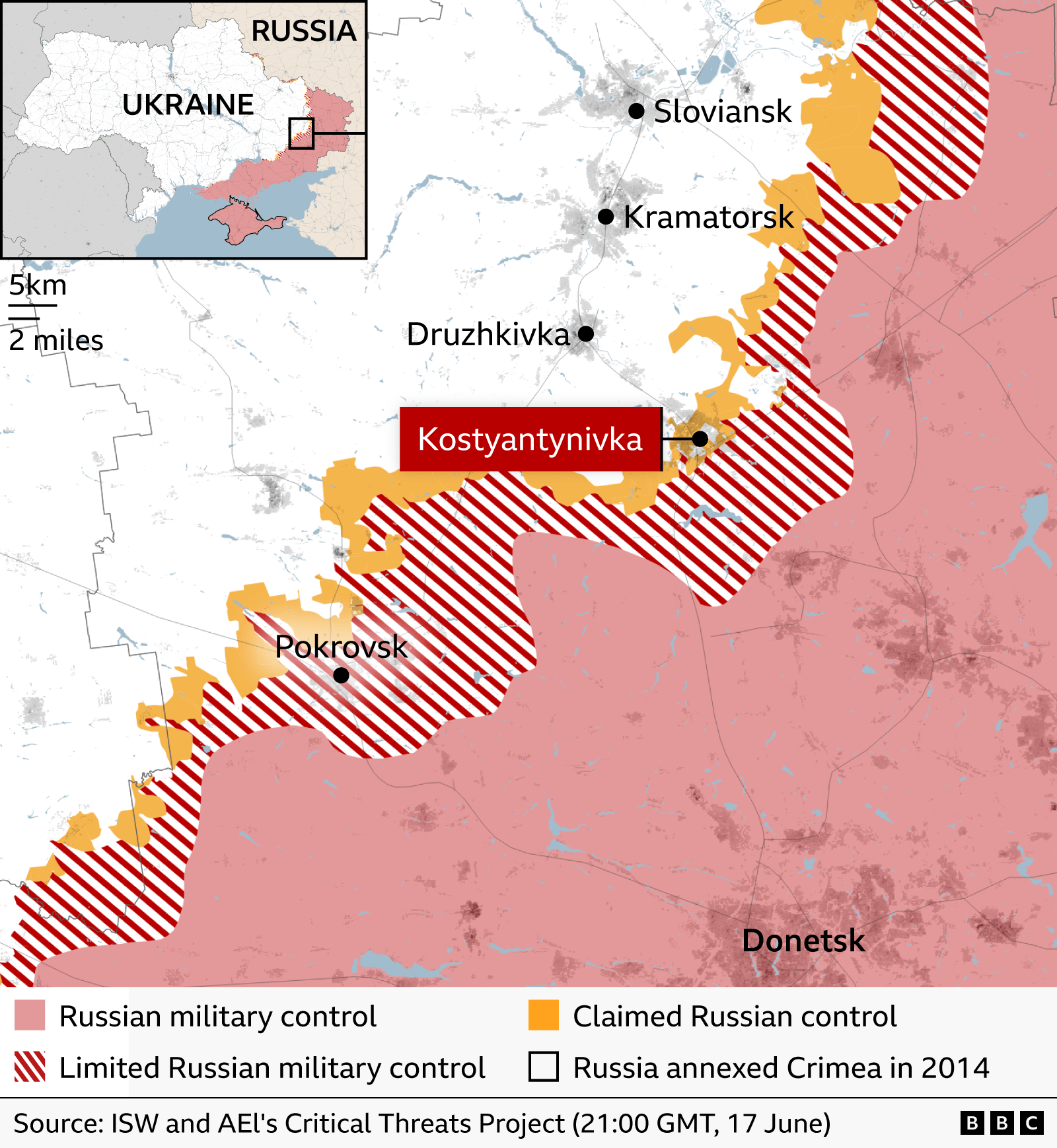
An Orthodox Easter truce agreed by Russia and Ukraine came into force on Saturday afternoon but 38 minutes later, air raid sirens were heard in Kharkiv region, northeastern Ukraine. Since then, officials and military have recorded multiple ceasefire violations along the frontline, though no long-range missile or drone strikes have been reported. The pause in fighting is supposed to last until Easter Monday to give people a much-needed rest, four years after Russia launched its full-scale invasion.
Ukraine's President Volodymyr Zelensky stated, Easter should be a time of safety, a time of peace, while warning that Ukrainian forces would respond strictly in kind to any actions by Moscow. However, many in the region have low expectations and trust regarding this ceasefire.
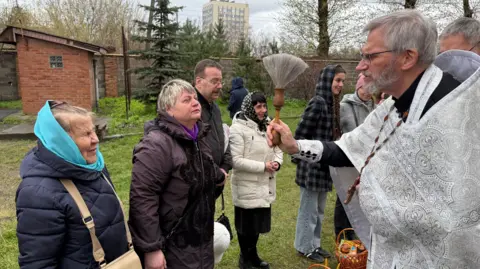
Shortly before the truce began, families in Kharkiv brought baskets filled with iced Easter cakes, painted eggs, and sausage to St John the Theologian Church for blessings, despite the ongoing threat of violence. The local priest expressed skepticism about the sincerity of a Russian ceasefire, highlighting the church’s damage from previous attacks.
Concerned locals voiced their doubts about the truce’s impact, with one parishioner suggesting that while there may be a temporary pause, Russia would likely launch more intense attacks afterward.
On the frontline, military units are testing new technology while anticipating the likelihood of renewed fighting. Soldiers are dropping donations of food and drink to their comrades, reflecting a tense atmosphere of war even amidst holiday observances.
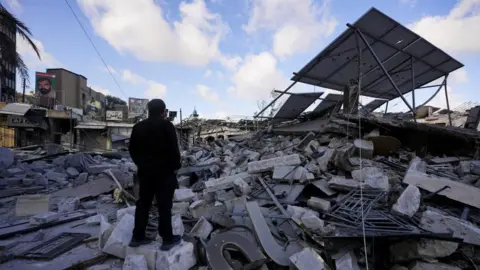
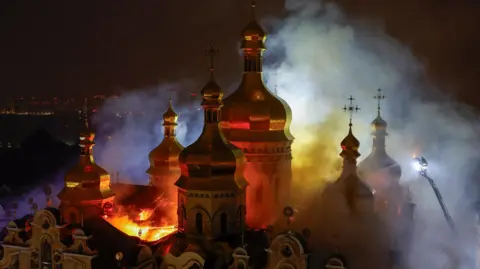
The tragic reality of the conflict remains evident in Kharkiv, where buildings lie in ruins and the reverberating loss from past attacks weighs heavily on the populace. As the Easter truce comes to an end, many express a yearning not just for a brief ceasefire, but for lasting peace in a region battered by war.
Ukraine's President Volodymyr Zelensky stated, Easter should be a time of safety, a time of peace, while warning that Ukrainian forces would respond strictly in kind to any actions by Moscow. However, many in the region have low expectations and trust regarding this ceasefire.
Shortly before the truce began, families in Kharkiv brought baskets filled with iced Easter cakes, painted eggs, and sausage to St John the Theologian Church for blessings, despite the ongoing threat of violence. The local priest expressed skepticism about the sincerity of a Russian ceasefire, highlighting the church’s damage from previous attacks.
Concerned locals voiced their doubts about the truce’s impact, with one parishioner suggesting that while there may be a temporary pause, Russia would likely launch more intense attacks afterward.
On the frontline, military units are testing new technology while anticipating the likelihood of renewed fighting. Soldiers are dropping donations of food and drink to their comrades, reflecting a tense atmosphere of war even amidst holiday observances.
The tragic reality of the conflict remains evident in Kharkiv, where buildings lie in ruins and the reverberating loss from past attacks weighs heavily on the populace. As the Easter truce comes to an end, many express a yearning not just for a brief ceasefire, but for lasting peace in a region battered by war.