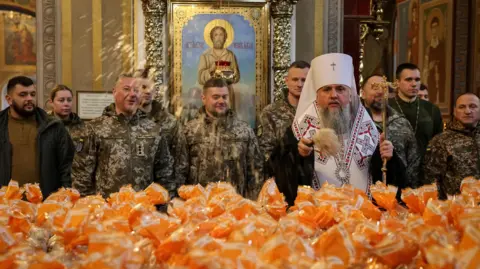
Russia and Ukraine have agreed to a truce for Orthodox Easter, with Vladimir Putin stating he has ordered Russian troops to cease fire in all directions this weekend.
The declaration from Moscow followed several calls for a ceasefire from Volodymyr Zelensky, which the Kremlin ignored until now. The truce is set to begin at 16:00 local time (14:00 BST) on Saturday, April 11, lasting through Easter Sunday. Putin urged Ukraine to follow the example of Russia and ordered his forces to remain vigilant against potential provocations.
Ukrainians are likely to react with skepticism to Russia's directives. Zelensky expressed Ukraine's readiness to respond symmetrically to the ceasefire. He emphasized the need for an Easter devoid of threats and the potential for peace, suggesting that Russia should avoid further attacks post-holiday.
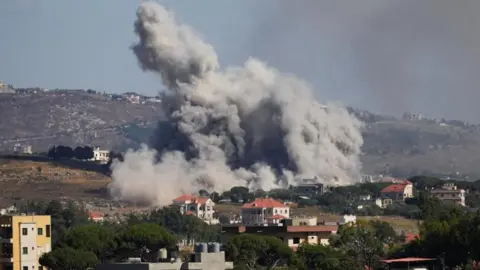
This truce follows recent efforts by Zelensky to have the United States mediate between Moscow and Kyiv for a holiday ceasefire. A pause in fighting would bring welcomed relief to stationed soldiers on the frontlines, who face ongoing drone threats, and allow civilians some respite from regular air raid sirens and attacks.
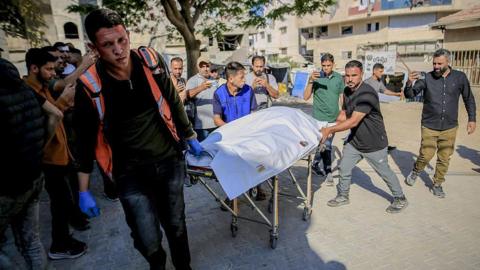
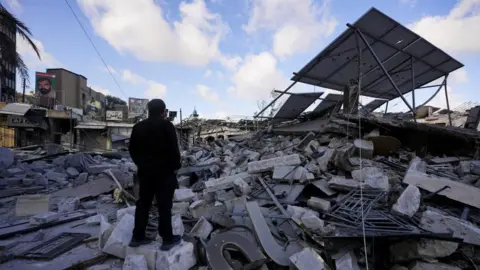
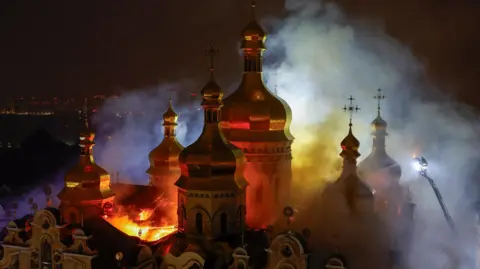
Despite the truce, recent events highlight the fragility of such agreements; a drone strike tragically targeted civilians earlier in the week, killing several individuals. The alarm was raised in Kyiv shortly after the truce announcement, raising doubts about its viability.
Past experiences leave Ukrainian leaders wary of the sincerity of Russian intentions, recalling a previously proclaimed energy truce that prime-facilitated preparations for further strikes. Kyiv continues its calls for a meaningful ceasefire leading towards long-term negotiations for peace, but Moscow insists on an agreement first.
There have been several unsuccessful rounds of talks with U.S. mediation, leaving the peace process stalled since shifts in international focus.