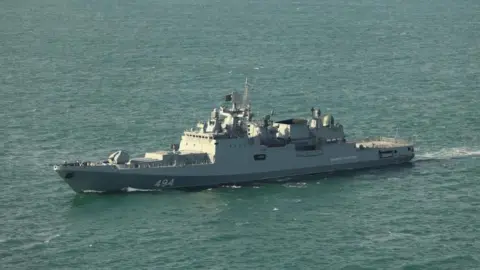
As Russia's full-scale war on Ukraine approaches its fifth year, the potential for direct conflict with the UK raises important questions regarding military readiness.
Military chiefs in the UK have cautioned that if a conflict arises, the country must be prepared for the possibility, as recent comments from Russian President Vladimir Putin highlight the increasing risks. Putin has stated, 'We are not planning to go to war with Europe. But if Europe wants to, and starts, we are ready right now.'
The current consensus among military experts is that a direct conflict between the UK and Russia is unlikely without the support of NATO allies. Nevertheless, the UK must assess its capabilities should the unthinkable occur.
Modern Warfare and Its Challenges
In today's interconnected world, a conflict may manifest in unexpected ways. For instance, citizens might experience service outages across mobile networks and financial systems, disrupting basic lifelines for food and fuel.
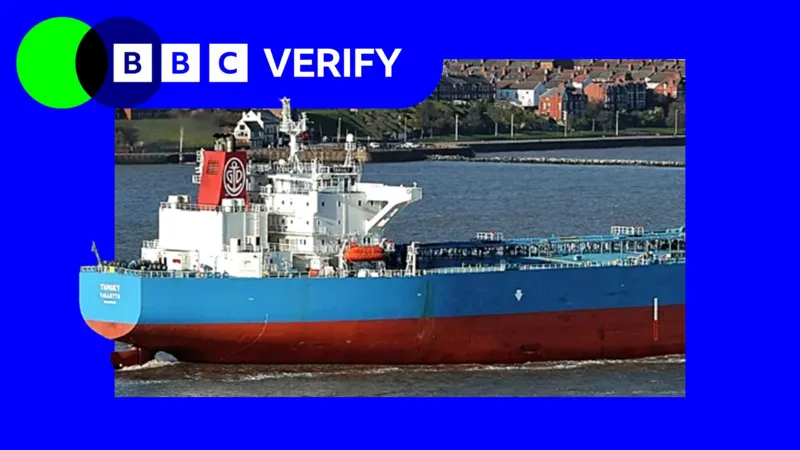
Modern warfare isn't only about physical confrontations but also involves cyber actions that target infrastructure. Experts point out that Russia has shown interest in sabotaging crucial undersea cables that facilitate global communications and energy sharing—an operation that could severely impact the UK's logistical capacity.
The Current State of UK Armed Forces
At a recent conference, military leaders warned that the UK lacks a solid plan for prolonged warfare. Hamish Mundell from the Royal United Services Institute (RUSI) pointed out key deficiencies in military planning, notably an absence of comprehensive support structures that could sustain troop levels or equipment in an extended conflict.
Furthermore, amidst rising military concerns over logistics and personnel, analysts have echoed the sentiment that even well-prepared plans fall short. The reality of Britain's deployable armed forces is sobering, revealing numbers that are dramatically lower than necessary in a potential conflict scenario.
Russia's Military Landscape
While Russia's military has its deficiencies, it maintains a vast reserve of manpower—a crucial advantage in any military engagement. UK Defence Intelligence reports indicate substantial Russian casualties in the ongoing conflict yet confirm their ability to replace lost soldiers at a relatively swift rate.
This poses a stark contrast to the UK's current resource limitations, which lead many analysts to worry about the nation's ability to match Russia's escalating military capabilities in the near future.
Increasing Risks and Potential Flashpoints
Various analysts point to potential flashpoints such as the Baltic states, where Russian claims tied to protecting Russian minorities could serve as precursors to aggression. NATO's response and readiness in these scenarios will be pivotal in defending allied nations.
With a changing political landscape, questions linger over the commitment level of key NATO members in a potential crisis—especially concerning readiness to intervene in remote theaters like the Suwalki Gap.
The Conclusion: Preparing for Uncertainty
In summary, the UK's military preparedness faces scrutiny as military experts urge better planning and resource allocation. As the threat from Russia continues to advance, the importance of understanding and preparing for all potential conflict scenarios cannot be overstated.
As Keir Giles of the Chatham House succinctly captures: 'Understanding that the rights and freedoms people take for granted are under threat is essential.' With an uncertain future, it’s crucial for the UK to recognize the necessity for change and adaptation in its military strategy to adequately face potential adversaries.