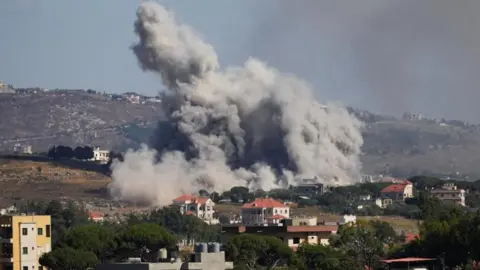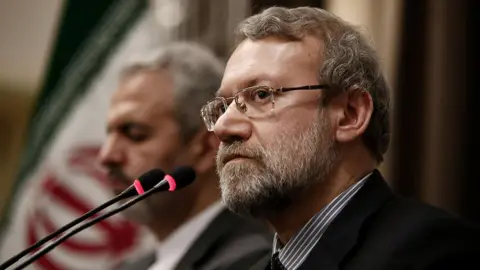
The Israeli air strike which killed Iran's security chief, Ali Larijani, has removed one of the Islamic Republic's most experienced and influential policy makers at a critical moment.
Lariijani was not a military commander, but he was a central figure in shaping Iran's strategic decisions. As secretary of the Supreme National Security Council, he was involved in decisions surrounding war, diplomacy, and national security.
His perspective was significant in managing Iran's confrontations with the United States and Israel. Following the killing of Supreme Leader Ali Khamenei on February 28, Larijani emphasized Iran's readiness for a prolonged conflict.
His death, now confirmed by state media, is part of a broader campaign targeting senior Iranian officials and commanders, highlighting a concerted effort to undermine Iran's leadership structure amid wartime pressures.
Larijani, often regarded as a pragmatist, balanced ideological commitments with a technocratic approach, favoring strategic thought over mere rhetoric. Despite his hardline views towards the West, he engaged in key diplomatic negotiations, particularly in Iran's relations with China.
After his death, Iran faces multiple crises, including ongoing warfare, domestic unrest stemming from economic grievances, and stalled nuclear negotiations with the West. The death of such a pivotal figure leaves these dilemmas unresolved, passing them on to a yet-to-be-identified successor in a delicate situation.
This may shift power towards the military, with indications that armed forces are being provided broader authority in the absence of senior leadership. The likely short-term outcome is an increase in military assertiveness in wartime and intensified repression of domestic dissent.
The overarching impact of Larijani's death is significant as it not only represents the loss of a singular leader but also intensifies a leadership crisis that could destabilize Iran's governance and strategic direction in an increasingly volatile landscape.