In an innovative pivot in the fight against homelessness, Halifax, a bustling city on Canada's Atlantic Coast, confronts the housing crisis head-on by establishing designated tent encampments. Unlike other cities that evict homeless individuals, Halifax’s leadership has recognized the necessity of supporting its most vulnerable residents amid skyrocketing rent and insufficient shelter options.
Andrew Goodsell, a 38-year-old resident of a makeshift encampment, articulates the stark reality of his daily existence. "I wake up in an area I don’t want to be," he laments, revealing the emotional toll of living away from the comforts of a proper home. With over a decade of housing instability, his current circumstance reflects a larger trend plaguing many in Halifax, where a growing backlog of unhoused individuals threatens to outstrip available resources.
Officials have approved nine temporary encampment sites, allowing up to a dozen tents to coexist legally as a stopgap measure while indoor facilities reach maximum capacity. This policy resonates with other municipalities in Canada facing similar issues, contrasting sharply with aggressive eviction tactics employed elsewhere that critics have condemned as ineffectual.
While supporters hail Halifax’s approach for mitigating the criminalization of homelessness, the strategy is not without its detractors. Some encampment residents argue for a more significant investment in affordable housing as the ultimate solution, emphasizing the abundance of resources in a nation perceived as affluent.
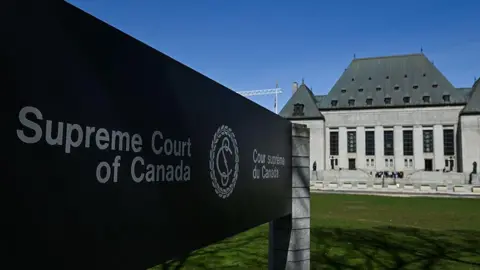
Moreover, recent court rulings in regions like British Columbia have affirmed the right for unhoused individuals to camp outdoors in the absence of shelter. This stands in stark contrast to a recent U.S. Supreme Court ruling, which permits cities to penalize the unhoused, subsequently enabling stringent anti-camping laws in states like California and Oregon.
With homelessness in Canada estimated at 235,000 individuals annually, and Halifax's rough sleeping numbers surging from just 18 in 2018 to more than 200, city officials are acutely aware of the urgency in remedying the crisis. Outreach services and provisions, like portable toilets and bottled water, are implemented to support encampment residents, yet many remain unconvinced of the long-term sincerity towards finding efficient housing solutions.
Public sentiment is mixed; while some neighbors express frustration over safety concerns related to nearby encampments, individuals within the temporary communities contend with both physical and emotional challenges of living in such conditions. Notably, a growing number of encampment residents express a desire for assistance in reclaiming their lives, marked by violence, harassment, and a palpable yearning for dignity.
As winter approaches, the urgent need for shelter intensifies. Goodsell, despite his tent's inadequate warmth, remains hopeful yet realistic about the challenges ahead. “Outside in the winter in a tent is unsafe,” he emphasizes, fortifying himself emotionally and physically as he awaits direction from authorities on available housing options.
Halifax's approach to addressing homelessness serves as a barometer for other cities, illustrating the complex interplay between empathy and effective policy. The city navigates a path mired in ongoing debate, as residents, officials, and advocates ponder effective solutions in the face of daunting social and moral intricacies.
Andrew Goodsell, a 38-year-old resident of a makeshift encampment, articulates the stark reality of his daily existence. "I wake up in an area I don’t want to be," he laments, revealing the emotional toll of living away from the comforts of a proper home. With over a decade of housing instability, his current circumstance reflects a larger trend plaguing many in Halifax, where a growing backlog of unhoused individuals threatens to outstrip available resources.
Officials have approved nine temporary encampment sites, allowing up to a dozen tents to coexist legally as a stopgap measure while indoor facilities reach maximum capacity. This policy resonates with other municipalities in Canada facing similar issues, contrasting sharply with aggressive eviction tactics employed elsewhere that critics have condemned as ineffectual.
While supporters hail Halifax’s approach for mitigating the criminalization of homelessness, the strategy is not without its detractors. Some encampment residents argue for a more significant investment in affordable housing as the ultimate solution, emphasizing the abundance of resources in a nation perceived as affluent.
Moreover, recent court rulings in regions like British Columbia have affirmed the right for unhoused individuals to camp outdoors in the absence of shelter. This stands in stark contrast to a recent U.S. Supreme Court ruling, which permits cities to penalize the unhoused, subsequently enabling stringent anti-camping laws in states like California and Oregon.
With homelessness in Canada estimated at 235,000 individuals annually, and Halifax's rough sleeping numbers surging from just 18 in 2018 to more than 200, city officials are acutely aware of the urgency in remedying the crisis. Outreach services and provisions, like portable toilets and bottled water, are implemented to support encampment residents, yet many remain unconvinced of the long-term sincerity towards finding efficient housing solutions.
Public sentiment is mixed; while some neighbors express frustration over safety concerns related to nearby encampments, individuals within the temporary communities contend with both physical and emotional challenges of living in such conditions. Notably, a growing number of encampment residents express a desire for assistance in reclaiming their lives, marked by violence, harassment, and a palpable yearning for dignity.
As winter approaches, the urgent need for shelter intensifies. Goodsell, despite his tent's inadequate warmth, remains hopeful yet realistic about the challenges ahead. “Outside in the winter in a tent is unsafe,” he emphasizes, fortifying himself emotionally and physically as he awaits direction from authorities on available housing options.
Halifax's approach to addressing homelessness serves as a barometer for other cities, illustrating the complex interplay between empathy and effective policy. The city navigates a path mired in ongoing debate, as residents, officials, and advocates ponder effective solutions in the face of daunting social and moral intricacies.