The Build America, Buy America (BABA) Act was enacted to foster U.S. manufacturing, but it has created significant hurdles for affordable housing developments across the nation. The law requires nearly all materials used in federally funded housing projects to be sourced from American manufacturers. This requirement poses challenges for developers who have relied on imported materials due to lower costs and availability.
Developers like Tyler Norod of Westbrook Development Corporation are lamenting the delays attributed to the stringent requirements. We've sort of resigned ourselves that we're just gonna build less units across the entire country during a housing crisis, he stated, underscoring the urgent need to address the affordable housing shortage exacerbated by BABA's compliance processes.
Diana Lene, a 76-year-old resident of Fargo, North Dakota, has been on affordable housing waitlists for five years, struggling to make ends meet on her Social Security. Her story exemplifies the human impact of these legislative changes as developers contend with compliance issues that delay project completions.
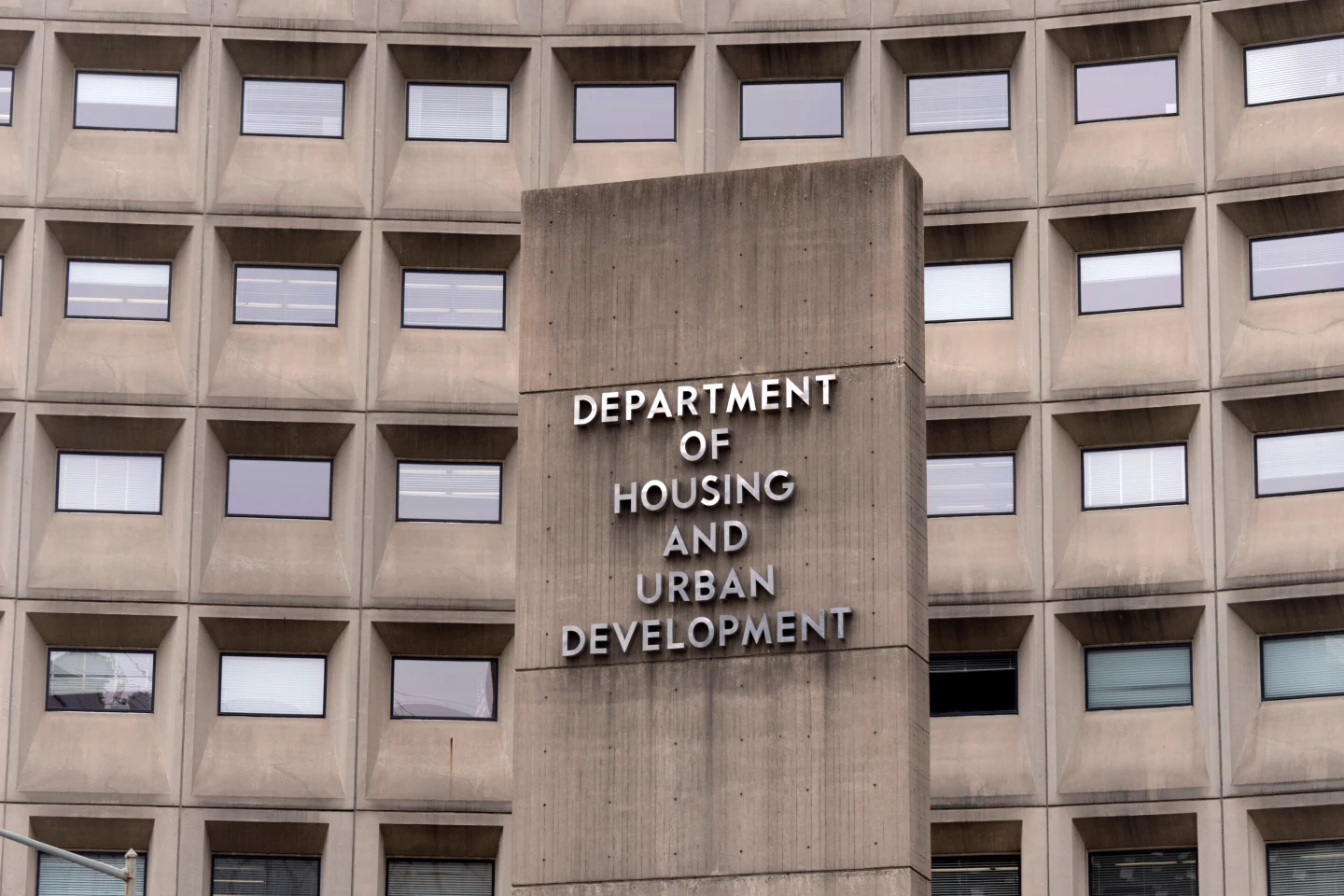
The waiver process developers must navigate is lengthy, with the Department of Housing and Urban Development (HUD) reportedly taking at least six months to approve applications. This has led to significant financial implications, as delays mean additional costs incurred for construction materials and labor. Julie Hoebel, a developer in Denver, has already amassed costs of over $60,000 just to identify American-made materials.
As HUD grapples with the fallout of the BABA requirements, voices in the industry call for a reevaluation of how these regulations are applied, especially in the context of affordable housing. Advocates argue that while supporting American jobs is valuable, the current application of BABA is stalling progress on vital housing projects.
In light of this situation, some developers are considering bypassing federal funds to avoid BABA's constraints, underscoring the tension between legislative intent and practical application in the construction industry. Lawrence Houseman from the United Steelworkers emphasizes that while cost concerns are valid, the law is essential for incentivizing domestic manufacturing.
The unfolding challenges surrounding BABA reflect a critical debate about policy implementation and its impact on achieving accessible housing solutions for all Americans. As discussions continue, the emphasis remains on finding a balance that upholds the Act's goals while addressing the pressing need for affordable housing.