The survivors of the Sea Story tragedy, which occurred in late November last year, have informed the BBC that they felt coerced into signing witness statements in Arabic— a language unfamiliar to them. These documents had been translated from English by an employee of the boat's operating company, Dive Pro Liveaboard, raising questions about the integrity of the translation process. The survivors insisted that the translator did not adequately identify himself, adding to their distrust of the situation.
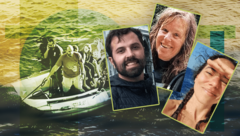
Nearly 46 individuals were onboard the Sea Story when it sank, resulting in four confirmed fatalities and seven missing persons, including two British divers. Survivors reported being subjected to interrogation-like conditions shortly after being rescued, often while still in hospital.
One survivor described her confusion and fear upon realizing she had signed reports that she could not read, emphasizing, "They could have written anything." Accusations have also surfaced regarding attempts to get survivors to sign waivers absolving the boat company of any wrongdoing. Justin Hodges, an American diver among those rescued, recounted how a so-called official tried to push this liability release while he was reporting his experience.
Moreover, survivors have expressed frustration over the narrative being formed by authorities, who initially blamed the disaster on a massive wave. A leading oceanographer has cast doubt on this explanation, providing weather data that contradicts the official reports. There are fears that the Egyptian investigation is compromised, with survivors feeling that investigators had already predetermined the cause of the sinking.
Victims’ families, particularly those of the two missing British divers, have also criticized the handling of information by the Egyptian government, citing inconsistencies and lack of transparency. Following a series of tragic incidents involving dive boats in the region, concerns have arisen over the safety standards within the scuba diving industry in Egypt, recognized as largely unregulated by independent assessments.
The case continues to unfold, as many call for a more thorough and open investigation into this maritime disaster.
Nearly 46 individuals were onboard the Sea Story when it sank, resulting in four confirmed fatalities and seven missing persons, including two British divers. Survivors reported being subjected to interrogation-like conditions shortly after being rescued, often while still in hospital.
One survivor described her confusion and fear upon realizing she had signed reports that she could not read, emphasizing, "They could have written anything." Accusations have also surfaced regarding attempts to get survivors to sign waivers absolving the boat company of any wrongdoing. Justin Hodges, an American diver among those rescued, recounted how a so-called official tried to push this liability release while he was reporting his experience.
Moreover, survivors have expressed frustration over the narrative being formed by authorities, who initially blamed the disaster on a massive wave. A leading oceanographer has cast doubt on this explanation, providing weather data that contradicts the official reports. There are fears that the Egyptian investigation is compromised, with survivors feeling that investigators had already predetermined the cause of the sinking.
Victims’ families, particularly those of the two missing British divers, have also criticized the handling of information by the Egyptian government, citing inconsistencies and lack of transparency. Following a series of tragic incidents involving dive boats in the region, concerns have arisen over the safety standards within the scuba diving industry in Egypt, recognized as largely unregulated by independent assessments.
The case continues to unfold, as many call for a more thorough and open investigation into this maritime disaster.