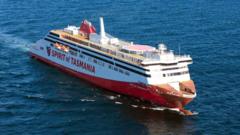
A large newly constructed ferry, the Spirit of Tasmania IV, is set to be mothballed in Edinburgh amid what has been labelled as a "ferries fiasco" in Tasmania, Australia. The 212-meter (695-foot) vessel is being moved from a shipyard in Finland after concerns arose that it could sustain damage from impending pack ice. The ferry's relocation to Port of Leith highlights the inability of the existing berths in Devonport, Tasmania, to accommodate its size.
Originally regarded as a potential boon for Tasmania's tourism sector, the ferry along with its sister ship, Spirit of Tasmania V, has now become embroiled in delays and rising construction costs, resulting in severe criticism of the state government's handling of the situation. Opposition leader Dean Winter has described the ongoing issues as the "biggest infrastructure stuff-up" in Tasmania's history, with Australian media echoing sentiments of a growing "fiasco."
Resignations within the government, including infrastructure minister Michael Ferguson and TT-Line chairman Mike Grainger, have further fueled public discontent over the handling of the project. Recent updates indicate that critical improvements to Devonport's berth infrastructure—which were meant to be operational by August 2024—are now anticipated to be completed until October 2026 at the earliest.
The chief executive of TT-Line, Bernard Dwyer, emphasized the importance of relocating the Spirit of Tasmania IV to ensure its preservation, given the severe winter conditions expected in Rauma, Finland. He mentioned that the company is exploring options for leasing the ferry, but significant additional work will be needed to make it operational, as the ship is not designed for extremely low temperatures.
The situation resonates with challenges faced by Scotland’s ferry services, where construction of oversize vessels has led to similar delays and operational setbacks. One such example is the Highland ferries Glen Sannox and Glen Rosa, which remain incomplete and unable to utilize intended routes due to stalled infrastructure improvements. The ongoing crisis highlights the critical need for effective project management and planning in ferry infrastructure on both sides of the globe.