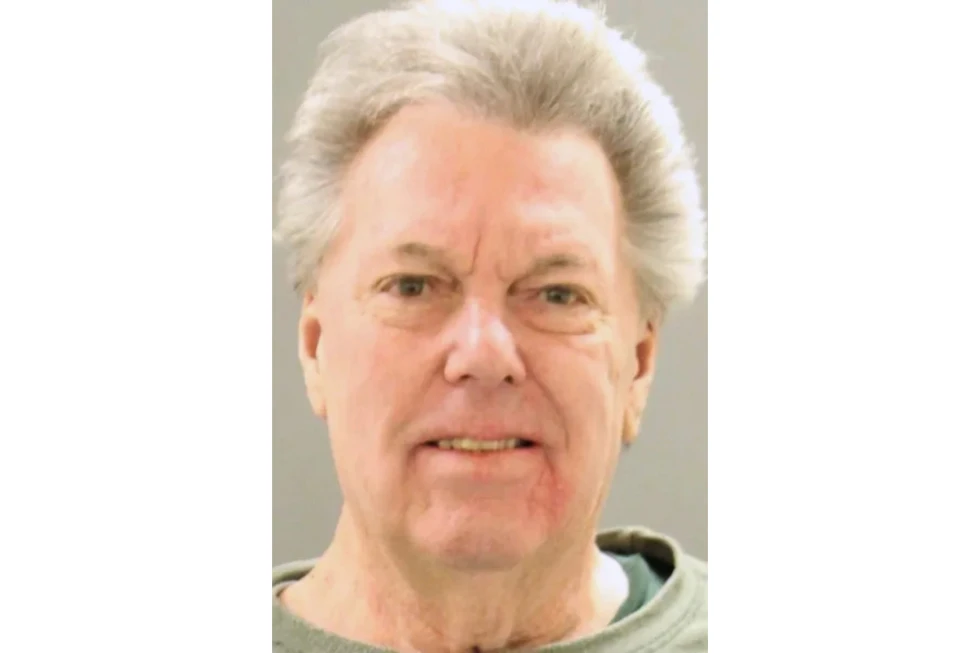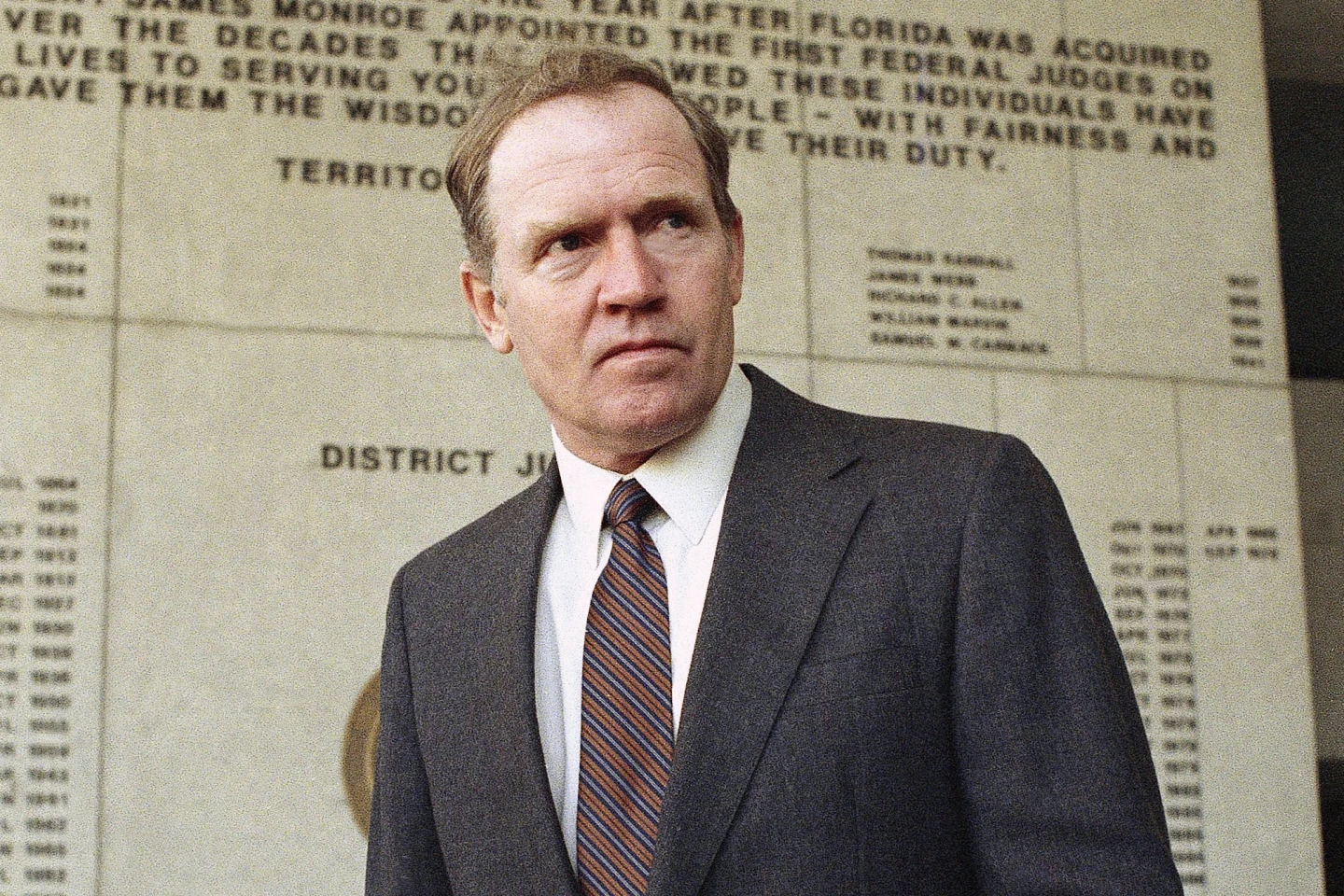
Eugene Hasenfus, known for his pivotal role in exposing the Iran-Contra affair, died on November 26, 2023, after battling cancer for nine years. He was 84 years old. Born on January 22, 1941, in Marinette, Wisconsin, Hasenfus served in the Marines during the Vietnam War before embarking on his career in aviation.
His notoriety arose in 1986 when his CIA-operated supply plane was shot down in Nicaragua. The flight was part of the U.S. covert operation supporting the Contras, anti-communist rebels fighting the Sandinista government, against congressional mandates restricting military support. After the plane was shot down, Hasenfus parachuted to safety and evaded capture for over a day before being apprehended by Nicaraguan authorities.
Hasenfus's revelations during and after his capture unraveled a significant portion of the Iran-Contra operations, leading to widespread controversy and congressional inquiries into the Reagan administration's activities. Initially, U.S. officials denied involvement, but Hasenfus's accounts brought the truth to light. His convictions in Nicaragua led to a 30-year prison sentence, though he was pardoned by President Daniel Ortega just a month later.
In 1988, Hasenfus attempted to seek monetary damages related to the Iran-Contra arms deals but was unsuccessful. In 2003, he faced legal trouble again when he pleaded guilty to a separate charge, which saw him briefly jailed after a probation violation.
Eugene Hasenfus leaves behind a legacy intertwined with U.S. Cold War politics, alongside a family that includes four children and eight grandchildren.
His notoriety arose in 1986 when his CIA-operated supply plane was shot down in Nicaragua. The flight was part of the U.S. covert operation supporting the Contras, anti-communist rebels fighting the Sandinista government, against congressional mandates restricting military support. After the plane was shot down, Hasenfus parachuted to safety and evaded capture for over a day before being apprehended by Nicaraguan authorities.
Hasenfus's revelations during and after his capture unraveled a significant portion of the Iran-Contra operations, leading to widespread controversy and congressional inquiries into the Reagan administration's activities. Initially, U.S. officials denied involvement, but Hasenfus's accounts brought the truth to light. His convictions in Nicaragua led to a 30-year prison sentence, though he was pardoned by President Daniel Ortega just a month later.
In 1988, Hasenfus attempted to seek monetary damages related to the Iran-Contra arms deals but was unsuccessful. In 2003, he faced legal trouble again when he pleaded guilty to a separate charge, which saw him briefly jailed after a probation violation.
Eugene Hasenfus leaves behind a legacy intertwined with U.S. Cold War politics, alongside a family that includes four children and eight grandchildren.