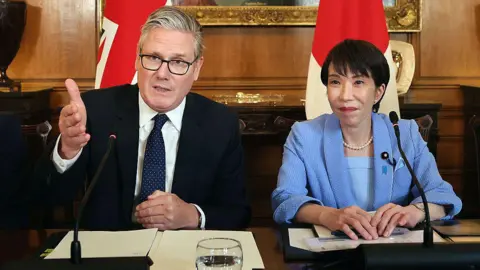
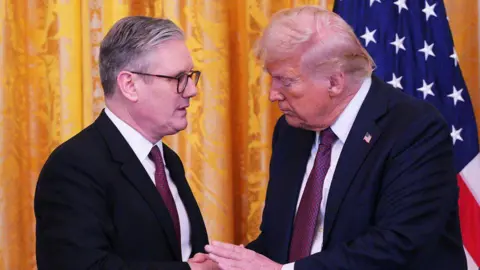
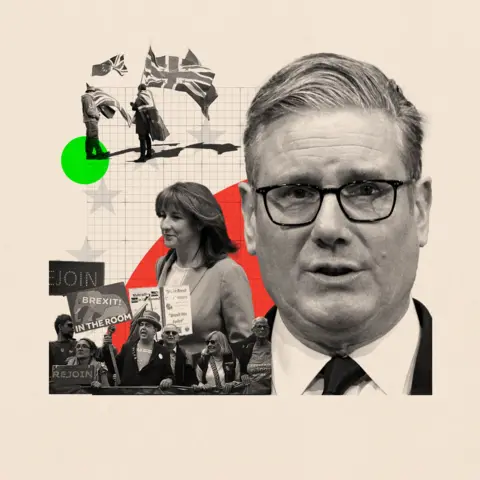
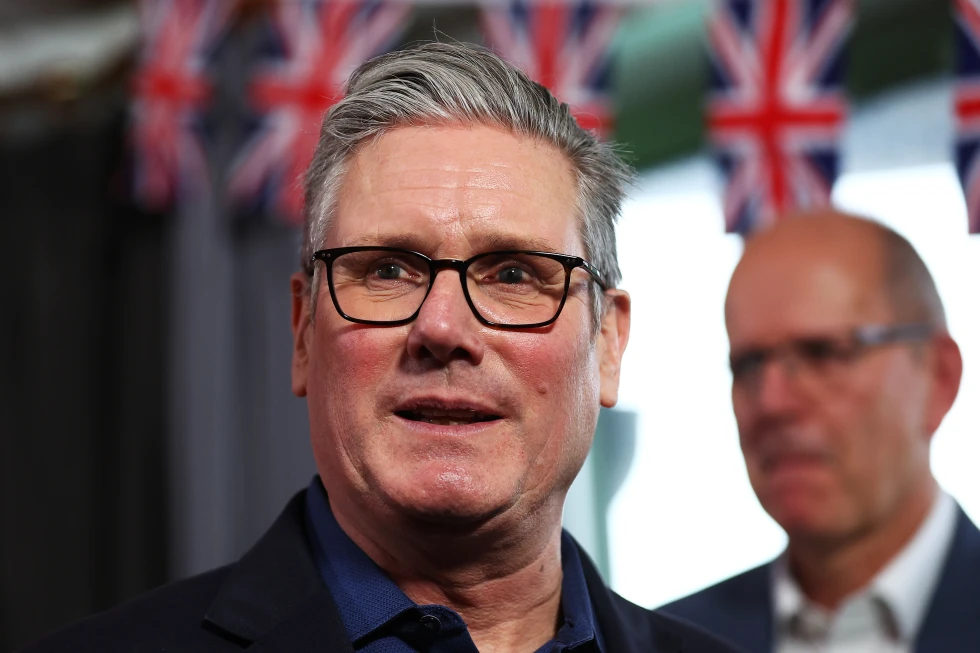
British Prime Minister Keir Starmer's government views this deal as a vital step towards a "reset" in relations with the E.U., nearly a decade after the controversial Brexit referendum that led to Britain's departure from the bloc. Senior British official Nick Thomas-Symonds heralded the agreement as historic, emphasizing its potential to create jobs, lower living costs, and bolster regulatory controls at borders. He noted that it also reinstates Britain’s standing on the international stage, promoting a government focused on the welfare of the populace.
Despite the optimism, the agreement has sparked political strife domestically, reflecting the contentious nature of post-Brexit negotiations. A key point of contention was the status of European fishing fleets in British waters. Ultimately, negotiators reached a compromise allowing European vessels access until June 30, 2038—this term was met with some discontent from British pro-Brexit factions that argued it represented a significant concession.
In light of Britain’s military capabilities within Europe and shifting geopolitical landscapes, the E.U. has long pursued a formal security pact with the nation—an initiative that had been previously dismissed by the prior administration led by Boris Johnson. However, with the ongoing war in Ukraine highlighting the need for strengthened alliances, the recent agreement reflects an urgency for cooperation in mutual defense initiatives, including potential involvement in a 150 billion euro loan program for joint defense procurements.
As the ramifications of this agreement unfold, further updates will be shared as the situation develops.
Despite the optimism, the agreement has sparked political strife domestically, reflecting the contentious nature of post-Brexit negotiations. A key point of contention was the status of European fishing fleets in British waters. Ultimately, negotiators reached a compromise allowing European vessels access until June 30, 2038—this term was met with some discontent from British pro-Brexit factions that argued it represented a significant concession.
In light of Britain’s military capabilities within Europe and shifting geopolitical landscapes, the E.U. has long pursued a formal security pact with the nation—an initiative that had been previously dismissed by the prior administration led by Boris Johnson. However, with the ongoing war in Ukraine highlighting the need for strengthened alliances, the recent agreement reflects an urgency for cooperation in mutual defense initiatives, including potential involvement in a 150 billion euro loan program for joint defense procurements.
As the ramifications of this agreement unfold, further updates will be shared as the situation develops.