In brief
President Volodymyr Zelenskyy announced that Russia is planning a large‑scale strike on Ukraine’s energy grid and logistics network, arguing that global focus on U.S. midterms may provide cover. He called on the world to pressure Moscow and reiterated Ukraine’s readiness to counter any offensive. Analysts note that Russia’s recent targeting of power facilities suggests a shift toward crippling civilian infrastructure.
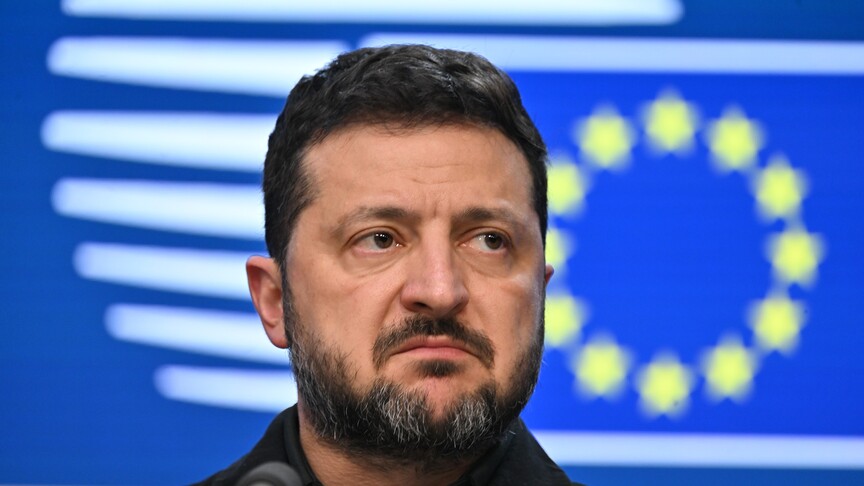
In a televised address on Monday, President Volodymyr Zelenskyy warned that Russia is preparing a large‑scale attack on Ukraine’s energy infrastructure and logistics, stressing that the U.S. midterm elections may distract the international community from the conflict. He urged global partners to apply pressure on Moscow while noting that Ukraine is ready to respond to any strike.
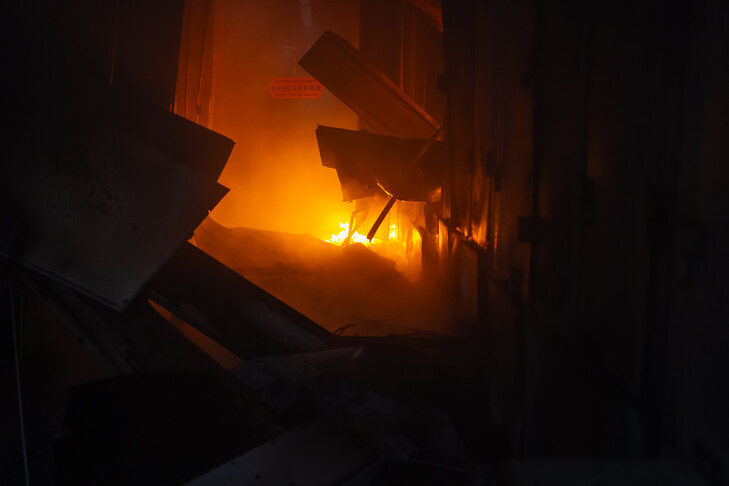
Russia has a documented history of targeting Ukrainian power facilities, with attacks in 2015, 2016 and 2023 severely disrupting electricity supplies and forcing the country into emergency measures. Analysts say the pattern now reflects a more diversified approach that includes not only power generation plants but also the broader energy grid and distribution networks.
The timing of Zelenskyy’s remarks coincides with the U.S. midterm elections slated for November 2026, a period in which many Western leaders and media outlets are expected to shift focus toward domestic politics. Zelenskyy pointed out that Washington’s preoccupation might give Moscow a “window of opportunity” to carry out attacks under reduced scrutiny.
In the evening address, Zelenskyy said, “We must not play games with Russia’s oil and gas revenues. We must put so much pressure on Russia that it has no alternative but to end this war,” and added, “The world can do this.” He also acknowledged that Ukraine’s own counter‑attacks have had a “tangible impact” on Russian targets.
“We will certainly respond to the attack Russia is preparing now,” Zelenskyy said, stressing Ukraine’s civil‑military readiness to counter any new offensive.
Ukraine’s defense ministry confirmed that its forces are monitoring Russian movements and have increased air‑defence deployments around major energy hubs. Officials say the strikes would be met with a proportionate response, and that Ukrainian strikes have shown effectiveness against Russian infrastructure in previous engagements.
The president also described a “new tactic” adopted by Russia that goes beyond power plants and extends to energy distribution networks, signaling a shift toward broader systemic interference. Military analysts note that targeting the grid could lead to prolonged blackouts, affecting both civilian life and military logistics.
The Ukrainian government’s call for international support comes amid a broader debate over sanctions and aid. Economist‑strategists argue that sustained economic pressure on Russian oil exports will tighten Moscow’s budget, while security experts contend that preventing energy attacks requires coordinated defensive measures across NATO and partner states.
While Russia has not yet responded to Zelenskyy’s latest claims, intelligence reports released by Ukrainian officials suggest that a massive barrage is indeed under construction, primarily aimed at disrupting energy supplies and logistical corridors. The Russian Defence Ministry’s silence raises questions about the veracity of the intelligence, underscoring the need for independent verification.
Key open questions remain: How quickly can Moscow mobilise sufficient resources to carry out such a multifaceted offensive? What thresholds will trigger Ukraine’s full‑scale retaliation, and how will Western partners balance counter‑attack readiness with diplomatic risk? Analysts and policy makers are closely monitoring the situation as the U.S. elections approach and the international spotlight may shift again.