In brief
On Monday, President Donald Trump reopened the Lincoln Memorial Reflecting Pool, using the ceremony as a campaign rally that included a promise of a $5,000 cash handout and claims of foreign policy victories. The pool, renovated at a reported lower cost, had been closed months for repairs. Trump's remarks about Iran, a planned military complex, and the significance of the upcoming midterms raise questions about their feasibility and strategic intent.
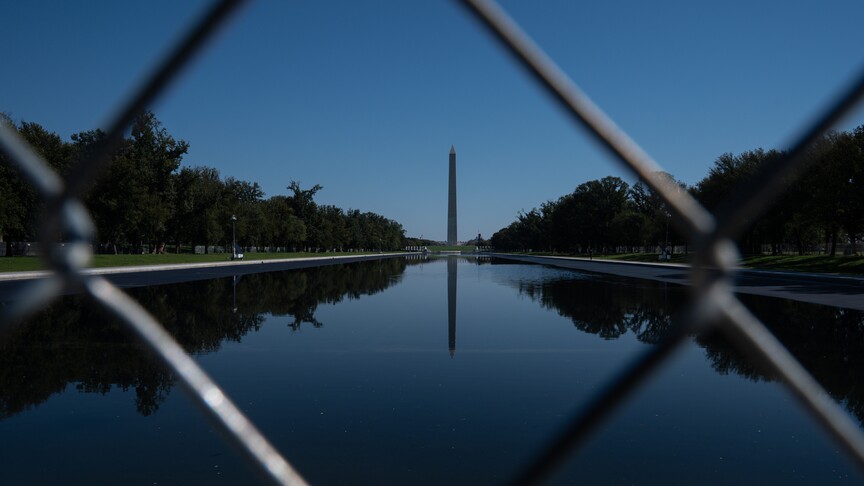
On Saturday, President Donald Trump reopened the Lincoln Memorial Reflecting Pool after months of repairs, using the ceremony on the eve of the Nov. 3 midterm elections as an elaborate campaign rally.
In a statement released at the event, Trump said, “I’m thrilled to announce the official opening of the Lincoln Memorial Reflecting Pool,” and added that his administration had finished the work at a “significantly lower cost.”
He explained that the pool, constructed between 1920 and 1923, had suffered from leaks, algae growth and vandalism, prompting a replacement of the pipe system and a resurfacing of the water basin.
During the remarks, Trump praised the renovations as a showcase of his administration’s ability to complete large‑scale projects efficiently.
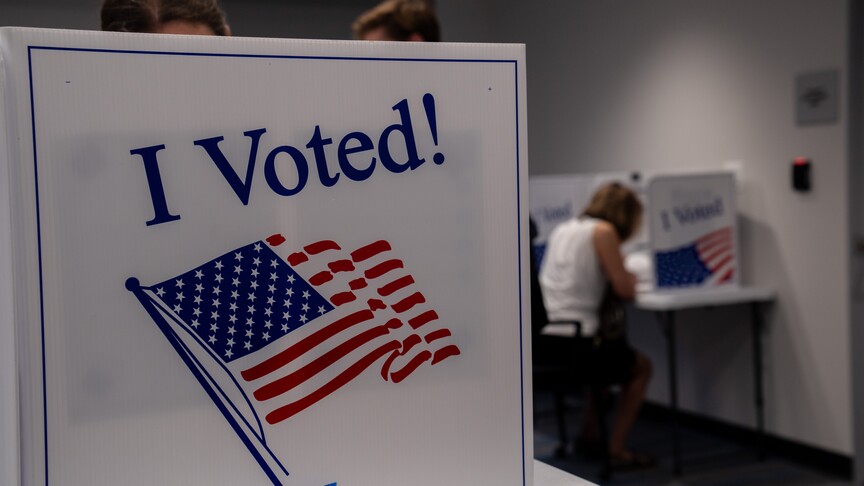
He then turned his attention to the upcoming midterm elections, calling Tuesday’s vote “the most important midterm I believe in our lifetime.”
Trump warned that the Democrat Party had nominated “the most extreme and dangerous slate of candidates in American history,” and vowed to reward a Republican victory with a direct cash handout. He repeated his pledge that “If we win the election, everybody is going to get $5,000. Every adult is going to get $5,000. But you have to spend it in the United States of America.”
Trump also addressed the United States’ foreign policy record, claiming the country had “happened a war with Iran. We won,” and asserted that the U.S. controls the Strait of Hormuz. He said that an Iranian request for the United States to stop targeting its leaders “will happen.”
In addition to his remarks on immigration and foreign policy, Trump announced plans for a new “Triumphal Arc Military Complex” near Arlington Memorial Bridge, describing it as “going to have tremendous drone capability.”
The pool reopening and the accompanying statements illustrate Trump’s broader strategy of linking scheduled maintenance or public works projects to his political agenda, a tactic used repeatedly in his past presidential campaigns.
Critics of Trump’s announcements have highlighted that a $5,000 direct handout to every adult would cost billions of dollars, and that the Treasury Department would need to allocate new funding or reallocate existing budgets to deliver the pledge — a detail not addressed by Trump or his spokespersons. Public finance experts note that the feasibility of such a program remains uncertain, especially given the looming fiscal pressures ahead of the midterm votes.
Trump’s claim of a U.S. victory over Iran is disputed by many analysts, who point out that no formal war has occurred between the United States and Iran since the Iran–Iraq War of the 1980s. His assertion that the United States has complete control over the Strait of Hormuz is also challenged by maritime experts who note that shipping lanes in the area remain open to international traffic despite U.S. naval presence.
There is limited information on the proposed “Triumphal Arc Military Complex.” No plans, budgets, or site maps have been released, leaving questions about its intended purpose, scale, and how it fits into existing strategic objectives in the region. Analysts remark that the announcement occurs at a time of heightened political divisions and increasing public scrutiny of military spending.
In the days since the event, Trump’s campaigns have been monitoring the reactions of his base, while opposition parties prepare their own messaging strategies. As the campaign trail warms up for admission polls, the rhetoric surrounding pledges and foreign policy claims will likely dominate the narrative.
An advisory panel of political scientists has airbrushed the event as another flashpoint in a campaign that has seen mixed voter enthusiasm. The panel’s report, released two weeks after the event, highlighted the disconnect between Trump's promised handouts and the anticipated financial constraints that midterm swing states might experience.
At the same time, the event tapped into long‑standing discontent among some voters who channel frustration with conventional politics into support for Trump’s “big‑promise” rhetoric. The live appearances and social‑media breakdowns created by the event underscored the campaign’s focus on real‑time feedback and anecdotal storytelling.
While Trump’s campaign credits the refurbished pool as a “symbol of resilience,” critics decry the event as a political stunt that overshadows substantive policy discussions. As the election day approaches, whether the pool’s new aesthetic has any measurable effect on voter decisions remains unclear.
In summary, Trump’s reopening of the Lincoln Memorial Reflecting Pool served as a high‑profile platform for announcing a controversial cash handout, foreign policy slogans about Iran, and a new military complex. The feasibility of these promises, worth concerning many observers, remains an open question that will likely influence electoral outcomes in the days and weeks leading to the midterms.