
In brief
The dollar index fell 0.38% to 101.59, its steepest decline since mid‑October, as oil prices slipped and stock markets rallied. The euro and pound rose against the dollar while the yen edged harder. The movement comes ahead of a dense calendar of U.S. political and economic events, including midterm elections, labor data releases and interest‑rate decisions by several central banks.
On Tuesday morning news markets opened with the U.S. dollar trailing, the greenback falling 0.38% to 101.59 on the dollar index, its steepest daily drop since October 15, according to the Saudi Press Agency (SPA). The slide came into force as crude oil prices dipped sharply and a broad swath of equities rallied, setting a jittery tone for a week replete with political and economic catalysts.
In the currency market, the euro advanced 0.48% to $1.1212 and the British pound climbed 0.22% to $1.3424 against the dollar, while the yen strengthened modestly to 157.66 Japanese yen per dollar. Those moves underline a brief reversal of the greenback’s earlier daily gains on Monday.
Oil Prices and Equity Markets Move the Dollar
Oil, a key commodity the dollar frequently trades against, slid under pressure on Monday’s trading. While no specific figure appears in the SPA brief, the dollar’s retreat was explicitly linked to the commodity’s fall, underscoring the dollar’s sensitivity to energy price swings at the same time that global equity indices recorded gains that helped pull the greenback down.
SPA notes the erosion of the dollar was part of a broader movement across financial markets; the support from stock market rallies contributed to a “slipping of the dollar” amid the oil decline. This concurrence suggests a smoothing of risk appetite that favors larger and more liquid bets in corporate equities while curbing favor in currency markets.
Put‑On‑This Week: U.S. Midterm Elections and Economic Data
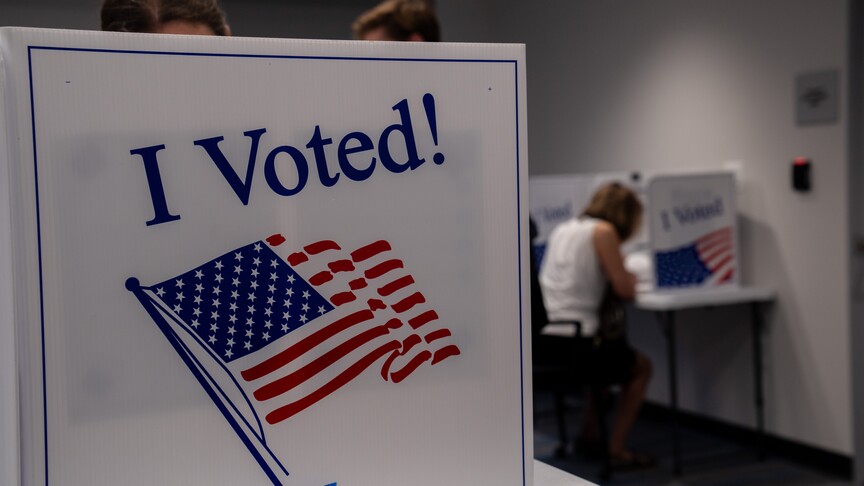
The currency’s slide comes ahead of a buckle of domestic political and economic events. In the United States, the midterm congressional elections, set for the following day, continue to dominate the news cycle, raising questions about party control, voter turnout and campaign finance dynamics.
Also on the agenda are a series of U.S. labor‑market releases, expected to shed light on employment trends, wage growth and consumer confidence. Those reports could tip the market’s view on the future direction of federal policy and the likelihood of further tightening of monetary policy.
In addition to U.S. events, several central banks around the world will announce interest‑rate decisions, adding further weight to market speculation. While the SPA story does not specify which banks, the clockwork of monetary policy decisions often aligns with the rhythm of currency valuation.
Why the Dollar Falls on Election Weeks
Currency traders historically view election cycles as periods of heightened risk. SPA’s report hints that the greenback’s decline may be early feedback from market anxiety over the upcoming chapters of the U.S. political narrative. An election outcome perceived as favorable to fiscal stimulus or increased government spending can raise expectations of future inflation and, in turn, central‑bank intervention, pushing the dollar lower.
Conversely, buoyant equity markets—an element noted by SPA—often signal that investors are rolling out risk assets that may favor emerging‑market currencies or local rabbit‑like performers over the U.S. dollar, thereby tightening dollar supply and dampening its purchase power.
Regional Currency Moves and Broader Impacts
While the SAR story anchors its discussion in the dollar’s relative performance to the euro, pound and yen, market observers will be watching not only western but also Asian currencies for signals of carry‑trade decisions and shifts in international trade balances. The slight weakening of the yen indicates that a modest influx of dollars was absorbed, perhaps as a hedge against potential U.S. market volatility tied to the midterms.
Looking beyond the United States, the euro’s rise may be tied to perceptions that the European Central Bank is maintaining a stance that preserves competitiveness for euro‑area exporters, while British sterling’s gain may reflect a static outlook on inflationary pressures and the UK’s ongoing economic policy path.
Market Sentiment and Investor Behaviour
SPA’s description of global equity gains offers a clue to investor sentiment. Data suggest that risk appetite surged in the corporate sector, fueling a migration away from defensive currencies like the dollar towards risk‑enhanced assets. That dynamic provides a lens for analysts examining how political uncertainty can harmonize—or clash—with monetary and fiscal policy expectations.
Investors may interpret the swing as an early warning that market liquidity will remain in flux ahead of a slate of policy announcements. In that case, the right of the dollar to hold its shore will be challenged by both political and economic headlines.
Going Forward: What to Watch?
As markets move into the rest of the week, several questions dominate the conversation: What will the midterm election outcome look like? How will the U.S. labor reports shape outlooks on interest‑rate policy? What reactions will central banks from the United Kingdom, Eurozone and other regions mount in response to these domestic signals?
Currency analysts will closely track the dollar’s trajectory against the euro, pound and yen to gauge how perceptions of policy shifts bias global investment flows. Any unexpected turns in the election or the looming labor data could cause the dollar index to change course, either reinforcing or reversing the current trend.
In the immediate break, SPA confirms that the dollar’s dip may usher in a week of contagion—each market readjusting as it deciphers a complex set of staged political statements and economic facts that contribute to a broader narrative about the United States’ economic direction and the global ramifications that accompany that path. The greenback’s weekly path will therefore remain a barometer of uncertainty in a world of political commotion and shifting monetary policy horizons.