In brief
Under Latvia’s inaugural presidency, the council’s November agenda will center on artificial intelligence and emerging technologies, including a high‑level debate on conflict resolution amid rapid tech change. It will also address Russia‑Ukraine tensions, Middle Eastern hotspots and a Turkish nominee for UN secretary‑general, while an informal expert group on emerging threats convenes. The move reflects a broader trend of technology gaining prominence in global security policy.
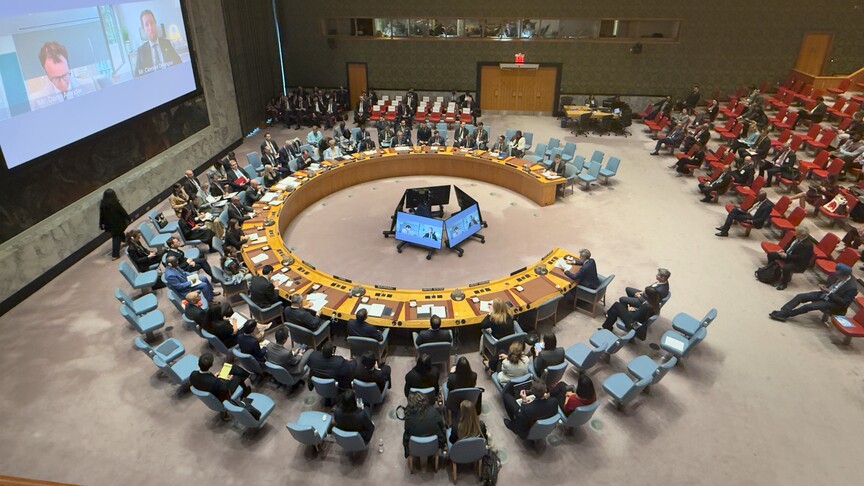
On Monday, the United Nations Security Council announced that it will devote its entire November agenda to the peace and security implications of artificial intelligence (AI) and emerging technologies as Latvia assumes the council’s rotating presidency for the first time in its history.
Latvia’s permanent representative to the UN, Sanita Pavluta‑Deslandes, told reporters at the UN headquarters that the council’s focus on AI was "an established priority for the 15‑member body" and would remain on the agenda over the course of the presidency.
Sanita Pavluta‑Deslandes, Latvia’s UN envoy, said:
"We believe that the issue of emerging technologies, including artificial intelligence, and their impact on peace and security, is a topic that will stay on the council's agenda,"
Highlighting the thematic shift, Pavluta‑Deslandes noted that the signature event of Latvia’s term is a high‑level ministerial open debate scheduled for Nov. 24 titled "Conflict resolution in an era of rapid technological change." The debate will examine how new tools influence the protection of civilians, peacekeepers, humanitarian personnel and media workers, as well as conflict prevention and peacebuilding.
The Latvian envoy clarified that the council would not attempt to establish global AI regulatory frameworks or broad governance systems, adding that broader rule‑making remains the responsibility of the UN General Assembly. Nevertheless, she said that representatives from the technology sector and AI companies will brief council members on current developments.
In line with the tech‑centric agenda, an Informal Expert Group on emerging threats and technological change, created jointly with Greece and joined by ten council members, will hold its inaugural session during the month. The group’s purpose is to analyse new risks posed by rapid technological developments without prescribing binding policy.
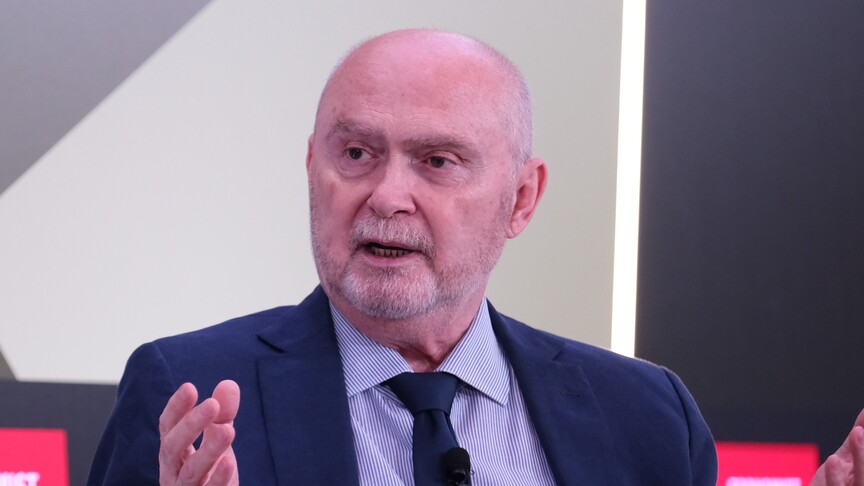
While AI takes centre stage, the council will continue to address pressing geopolitical concerns. It will discuss Russia‑Ukraine tensions and Middle Eastern hotspots, and will receive an official letter from Türkiye formally submitting the candidacy of Ambassador Feridun Sinirlioglu for the post of UN secretary‑general. Pavluta‑Deslandes confirmed that the letter had been duly circulated, making the nomination official, and that indicative straw polls will proceed during November ahead of the General Assembly.
The agenda has been confirmed in the Security Council Report’s Monthly Forecast for November 2026, which notes that Latvia will host the presidency and plan an open debate on emerging technologies and security. The forecast also notes the council’s routine agenda items, such as peacekeeping mandates and judicial elections.
Locally, Latvia’s tech infrastructure continues to expand. The telecommunications company Tet announced that it would open a new data centre in Salaspils on Wednesday, September 9, a move that underscores the country’s growing capacity to support large‑scale digital operations.
Experts and analysts anticipate several open questions. First, how the council will treat AI‑related conflicts and the extent to which it will adopt specific guidance for peacekeepers in technology‑heavy theatres. Second, how emerging threats identified by the Informal Expert Group will shape future security protocols and the extent of international cooperation on AI governance. Third, how the council will balance the AI debate with its broader mandate, especially given the ongoing geopolitical tensions involving Ukraine and the Middle East.
The November term will span the council’s regular meetings, with the AI‑centric debate slated for the end of the month and the Turkish nomination process progressing through the scheduled straw polls. The ultimate outcome will be decided at the General Assembly in the weeks that follow.