In brief
Turkey formally nominated Ambassador Feridun Sinirlioglu for the UN Secretary‑General position, stating it is a diplomatic effort to overcome a deadlock in the selection process. The move follows a year‑long impasse among Latin American contenders and is said to align with the UN Charter and a General Assembly resolution.
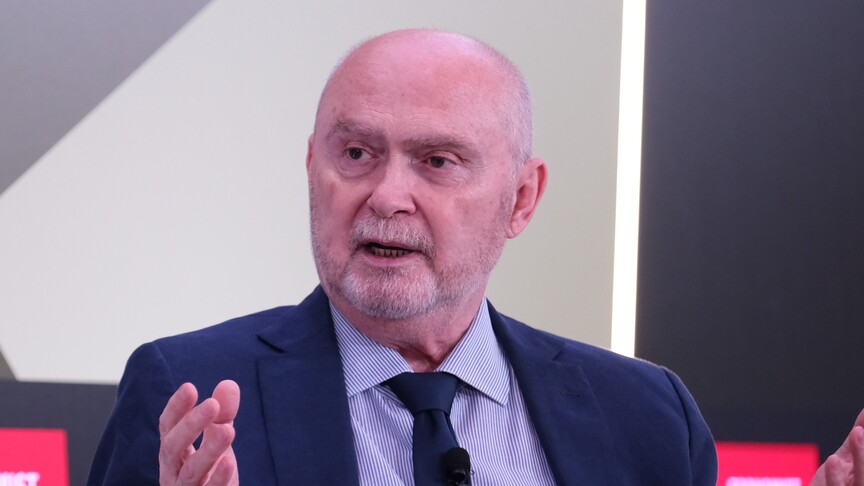
On Saturday, Turkey announced the formal nomination of OSCE Secretary‑General Feridun Sinirlioglu for the post of United Nations Secretary‑General, a move the country's foreign minister says is intended to break a deadlock that has left the selection process stalled.
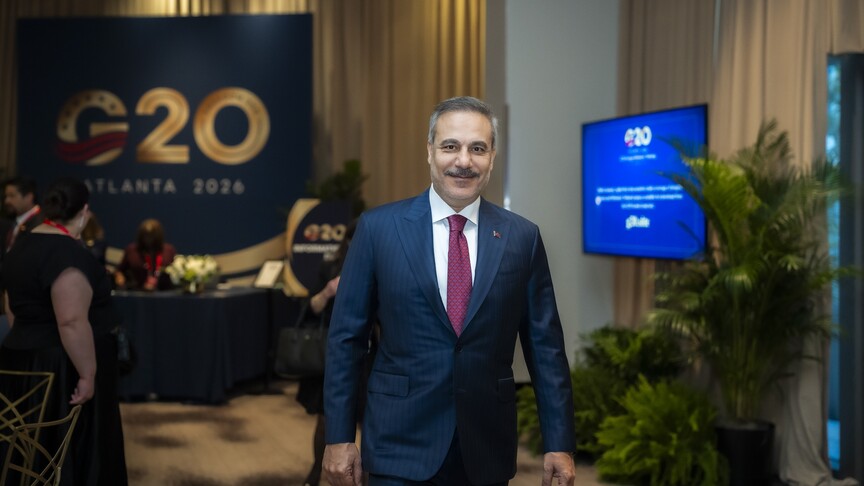
Foreign Minister Hakan Fidan confirmed that Ankara’s bid is a diplomatic effort designed to “overcome the impasse” that has plagued the selection for the past year, according to Anadolu Agency and Turkish public broadcaster TRT reports from the sidelines of a G20 foreign ministers’ meeting in Atlanta, United States.
"Our goal is to provide a diplomatic contribution aimed at overcoming the impasse," Fidan said.
He added that Turkey had been closely monitoring the developments and anticipated that difficulties could arise between the candidates, prompting Ankara to consider putting forward its own nominee. The letter, sent by Turkey’s UN Ambassador Ahmet Yıldız to the presidents of the General Assembly and the Security Council, transmitted President Recep Tayyip Erdoğan’s nomination letter in line with the UN Charter and a General Assembly resolution.
Background of the Selection Process
The UN Secretary‑General selection has, in recent administrations, been guided by an informal geographical rotation that has traditionally given Latin America the right of first choice. However, a recent stagnation among Latin American contenders has left the process at a standstill, a situation Fidan described as a “deadlock.”
In specific terms, the selection process has been underway for roughly a year, during which several Latin American candidates were competing in accordance with the traditional rotation. Yet progress stalled, as the various parties could not agree on a consensus. The standoff was further complicated by voting that involved the United Arab Emirates candidate Lana Nusseibeh, a development that Fidan cited as a catalyst for Turkey’s own bid.
Despite this, Fidan emphasised that Turkey respects the expectation that Latin America should have the opportunity to produce the next secretary‑general. He acknowledged that the process had reached a deadlock and that Turkey’s suggestive of a diplomatic contribution was an attempt to resolve the impasse, rather than merely entering the competition for personal advantage.
Historically, UN selection panels have, on occasions, invited candidates from other regions when progress stalls, a practice that Fidan described as not unprecedented. He explained that such cross‑regional nominations have been employed in moments when the process becomes deadlocked, outlining a possible strategy for the United Nations to bring momentum to the proceedings.
At the G20 foreign ministers’ meeting, Fidan stated that Turkey had already agreed to put forward its candidate should certain conditions emerge in the selection process. He cited the recent voting involving Lina Nusseibeh as the point where the deadlock became clear. Turkey, he said, responded by officially submitting its own candidate to the UN with a letter signed by President Erdoğan.
The bid comes as the organization’s selection process has, to date, lacked a clear frontrunner. Sinirlioglu’s extensive international experience—most notably his current role as OSCE Secretary‑General—now positions him as a professional and seasoned diplomat on the global stage. However, his candidacy presents a significant shift away from the expected Latin American appointment that had presided over the selection’s informal traditions.
Experts note that Sinirlioglu’s nomination could signal a broader shift in the UN’s approach to leadership selection. Having a European candidate might broaden the selection beyond the traditional geographical rotation and could prompt a reassessment of the criteria an organization employs when choosing its chief.
Turkey’s diplomatic contribution, however, is not solely about geography. The foreign minister stressed that the choice of candidate is meant to bring new energy to the community and help the UN adapt itself to believe that it is essential to move beyond the stalemate.
The world community now watches for potential reactions to Turkey’s bid from other leading UN member states. The European Union and other regional organizations have expressed that the selection of a candidate from outside the prior rotation could set a new precedent, although no official response has been issued to date.
The UN Secretary‑General selection process will likely see a round of consultations between the major powers behind the candidacies, and it is still unclear how the process will proceed. An analysis contested that the historic conflict over the geographical rotation might fade if a new candidate appears as a force to behave, the UN charter to provide enhanced method for designation on the non‑rotative basis.
In a diplomatic context, the UN’s existing procedures leave room for adjustments if many member states accept an action outside the tradition. This flexibility means that the selection could move forwards, but the final decision on an active process remains subject to further deliberation by the General Assembly, where member states will ultimately cast their votes.