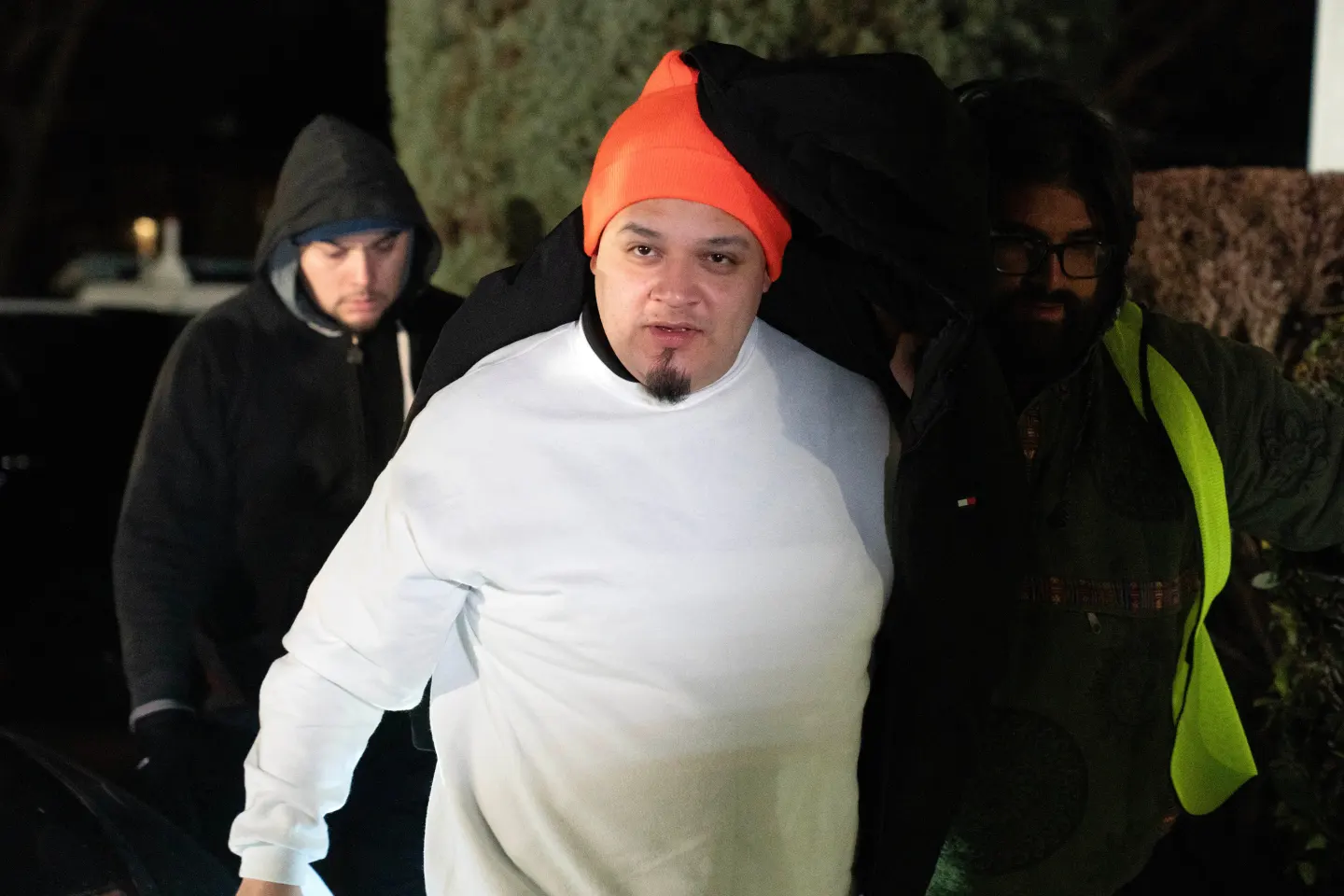
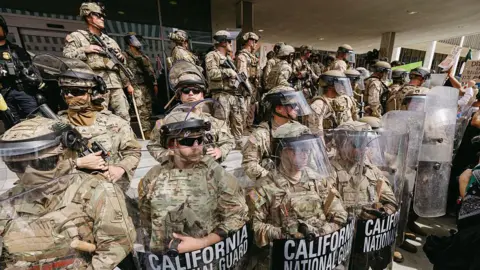
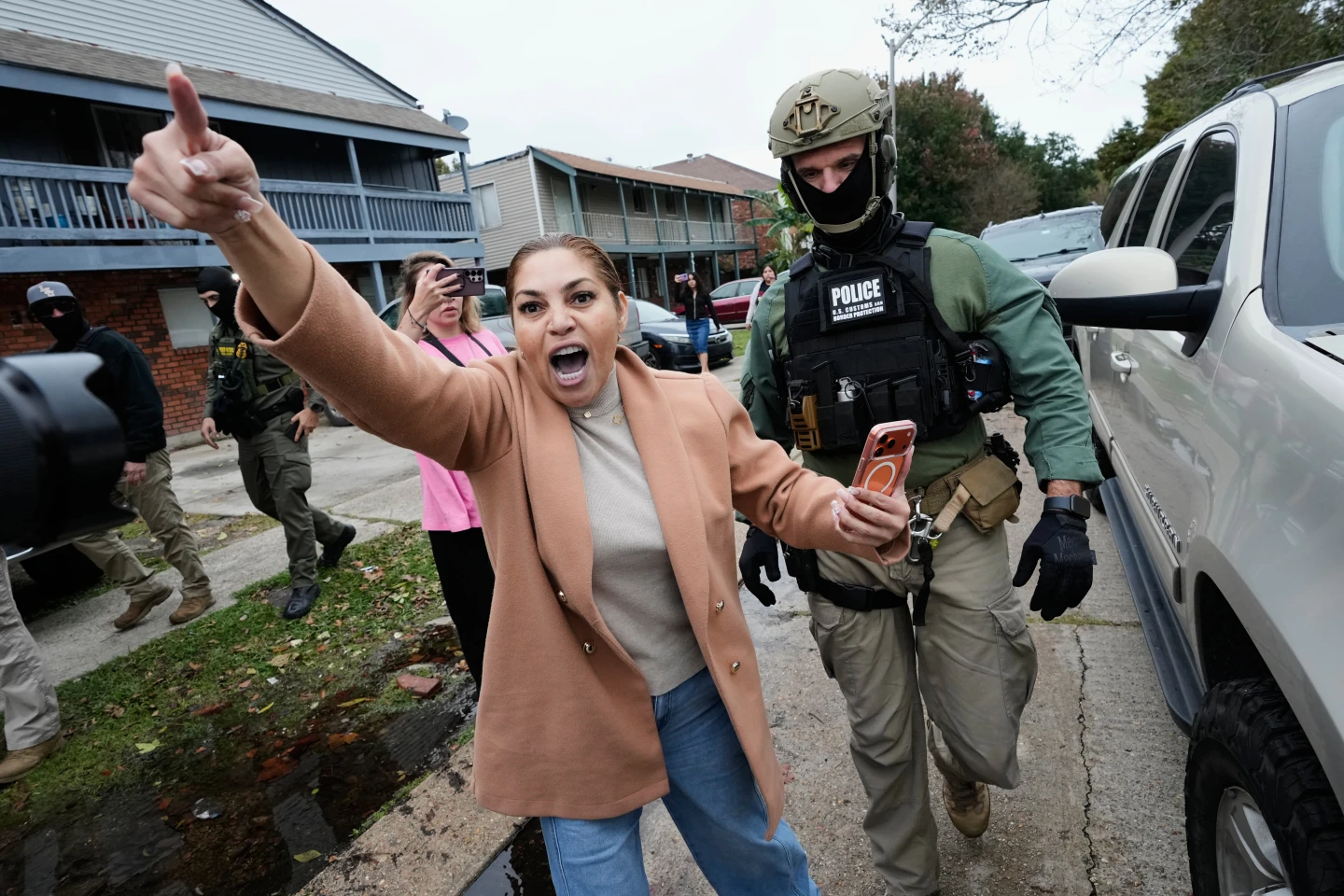
SACRAMENTO, Calif. — In a significant move towards transparency in law enforcement, California has become the first state to prohibit most officers from covering their faces while performing their official duties. The bill was signed into law by Governor Gavin Newsom on Saturday, in response to public outcry following a series of federal immigration raids in Los Angeles that featured agents with masked identities, sparking protests throughout the city.
The new legislation specifically targets local and federal officers, including immigration enforcement agents, banning them from using masks, neck gaiters, and ski masks. Exceptions are made for undercover operations and necessary medical face coverings such as N95 respirators.
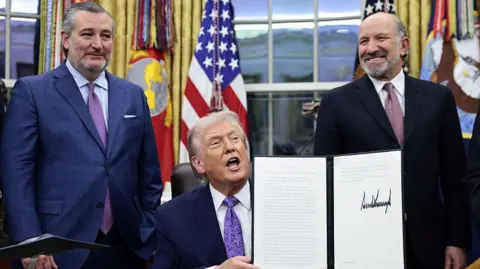
Governor Newsom, flanked by state lawmakers and members of the immigrant community during the signing event, emphasized that the law was a statement against federal overreach and aimed at restoring public trust in law enforcement. However, questions remain about how the state can enforce the ban, especially with the Department of Homeland Security asserting compliance with federal policies.
The Department of Homeland Security condemned the legislation, arguing it jeopardizes the safety of officers and their families, who are already facing increased harassment in carrying out immigration enforcement tasks. In a stern warning, the department stated it may take action against states that obstruct immigration policies.
Despite these concerns, supporters of the law believe it will help differentiate legitimate officers from potential impersonators, and restore community confidence in policing practices. The decision has prompted similar legislative proposals in other Democrat-led states, reiterating a push for law enforcement transparency and public accountability. As federal enforcement continues, this law represents California's broader commitment to progressive values and community safety.
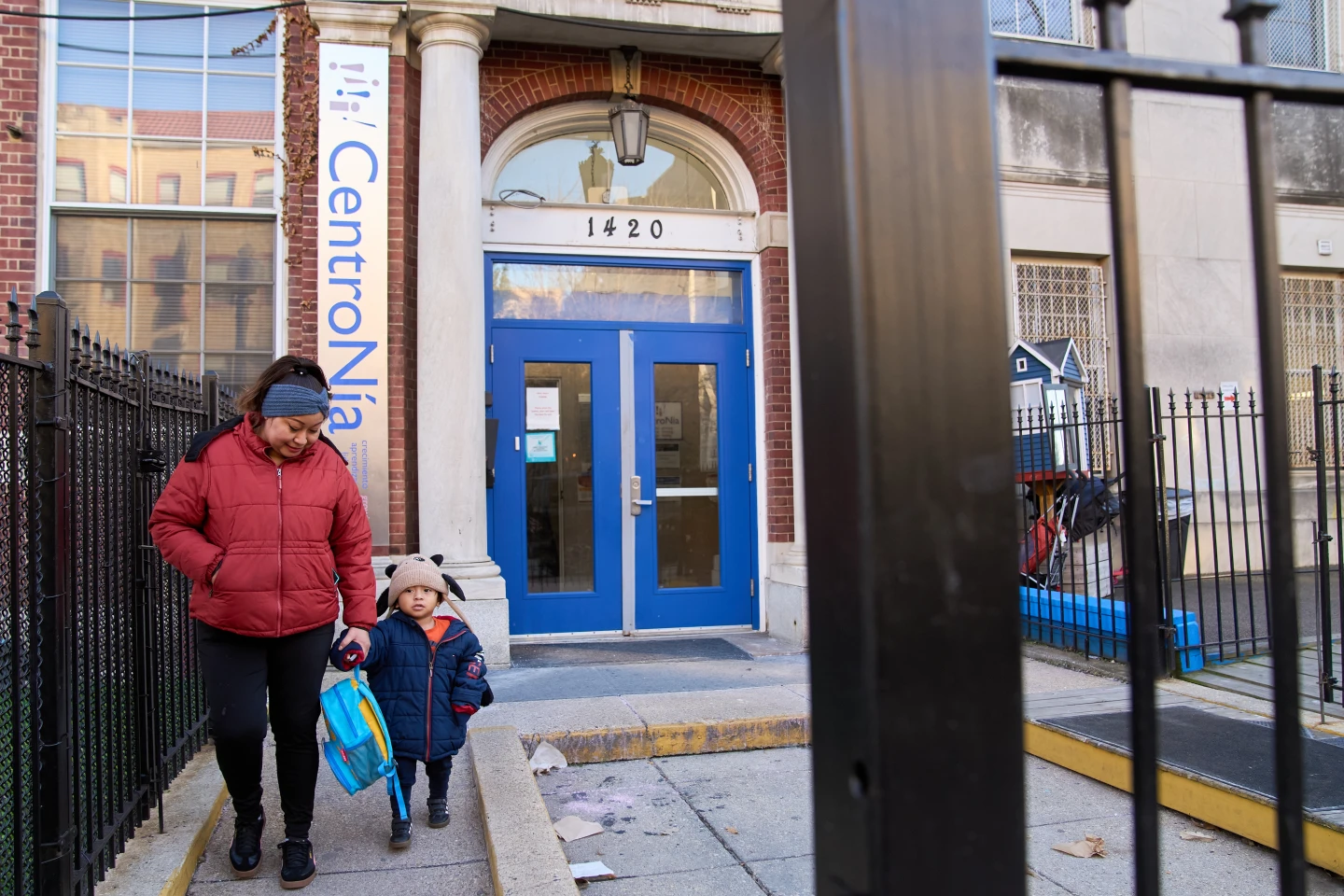
Furthermore, Governor Newsom has taken additional measures to restrict immigration agents from entering schools and healthcare facilities without judicial warrants, reinforcing the state’s position against aggressive federal immigration policies.