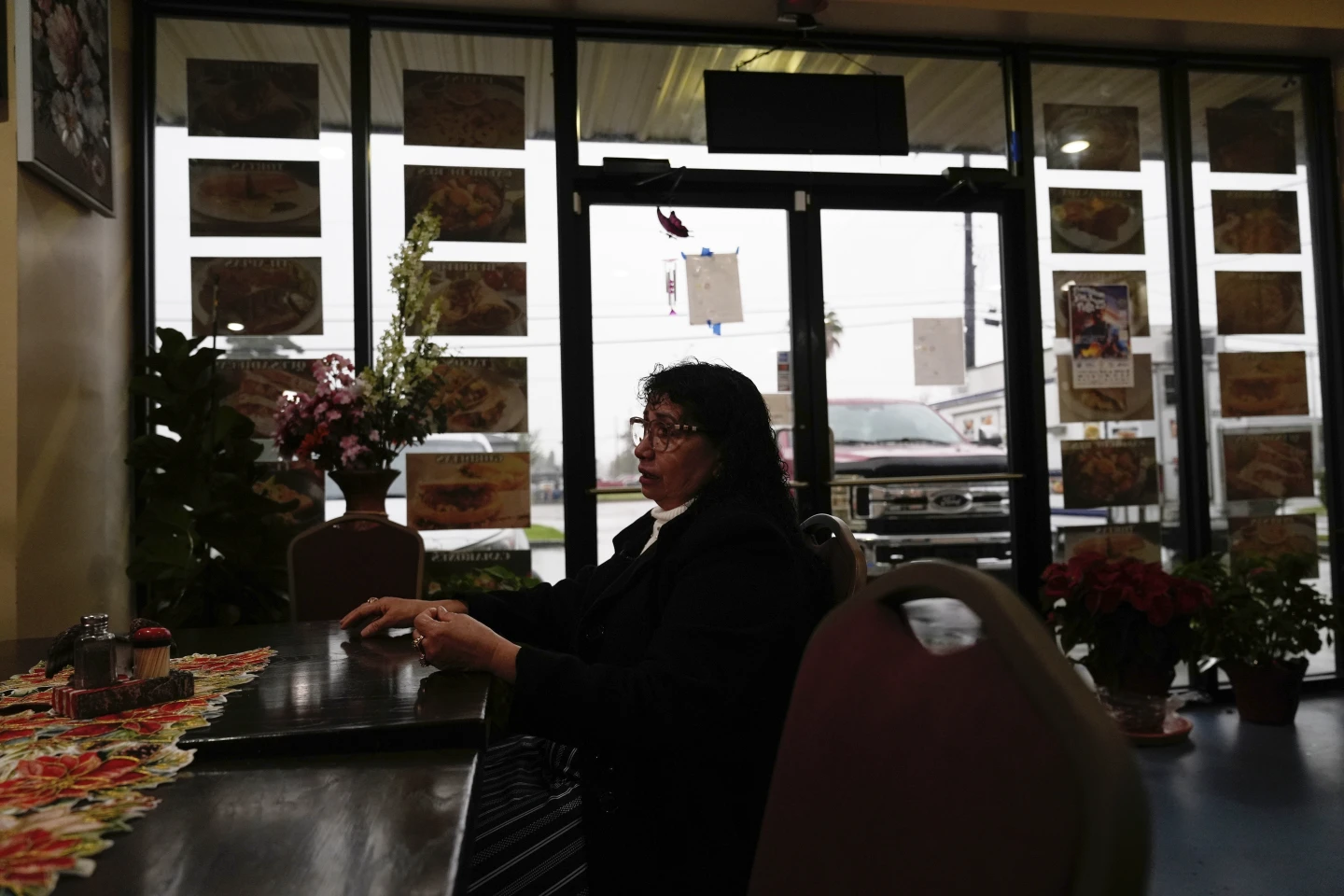
SACRAMENTO, Calif. — On a recent afternoon, Giselle Garcia, a volunteer assisting an Afghan family with resettlement efforts, drove the father's family to a meeting with U.S. Immigration and Customs Enforcement (ICE), bracing them for potential repercussions.
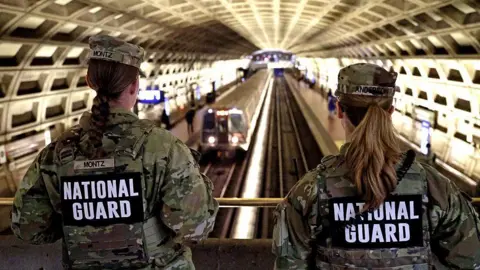
The moment he entered the ICE office in California's capital, he was taken into custody. This incident has occurred shortly after a shooting involving two National Guard troops, allegedly by an Afghan national, which has led to increased scrutiny of Afghan immigrants by federal authorities.
Garcia, who has been working closely with the family, emphasized that they had complied with all necessary legal requirements and appointments. The palpable anxiety in the car was evident as the family held onto hope, despite Garcia's warnings.
They had fled Afghanistan due to threats from the Taliban, linked to the wife's father’s assistance to U.S. military efforts. Despite their asylum request at the U.S.-Mexico border, their precarious situation worsened with the recent actions of ICE.
Increased Arrests in Response to Incidents
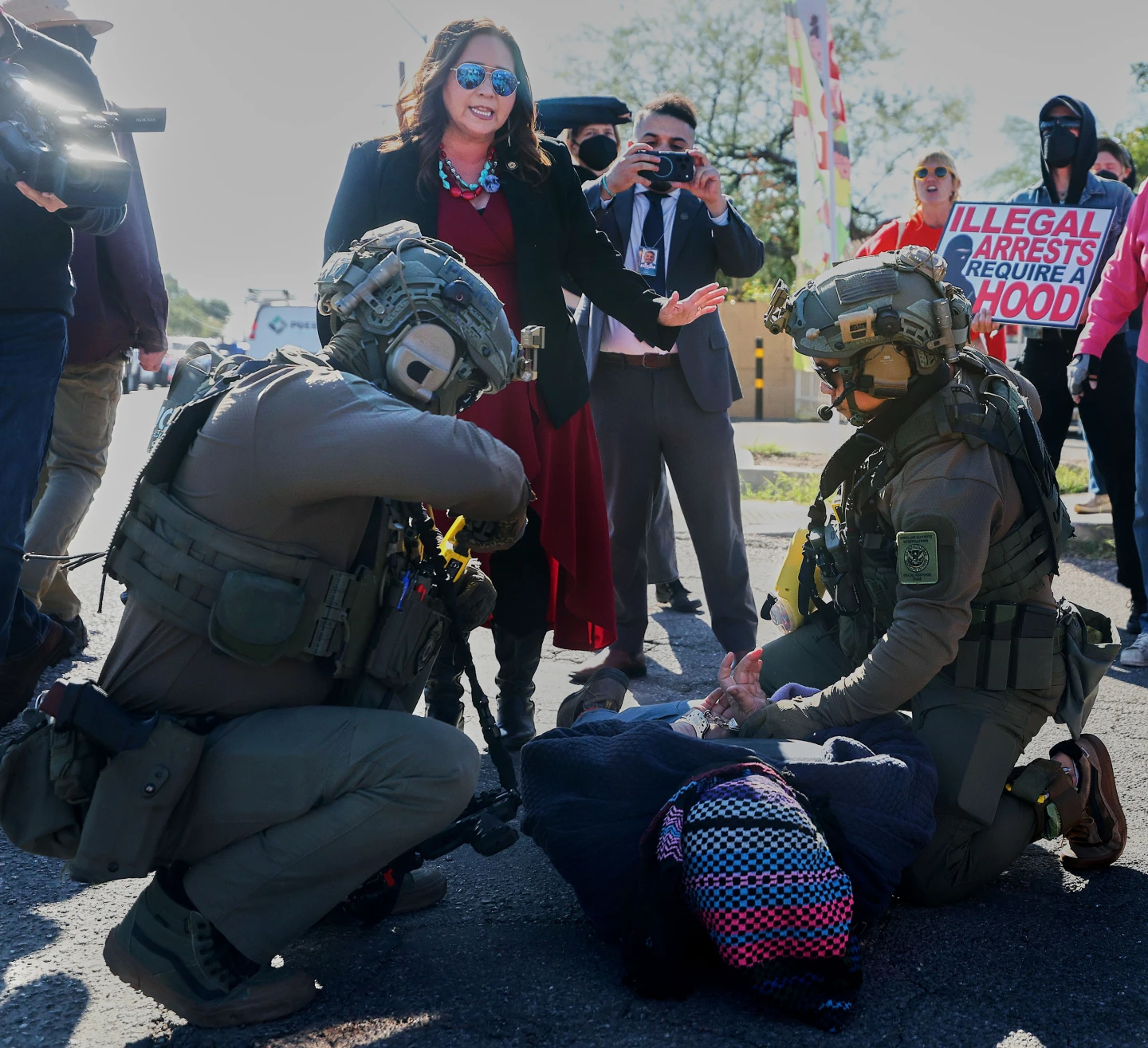
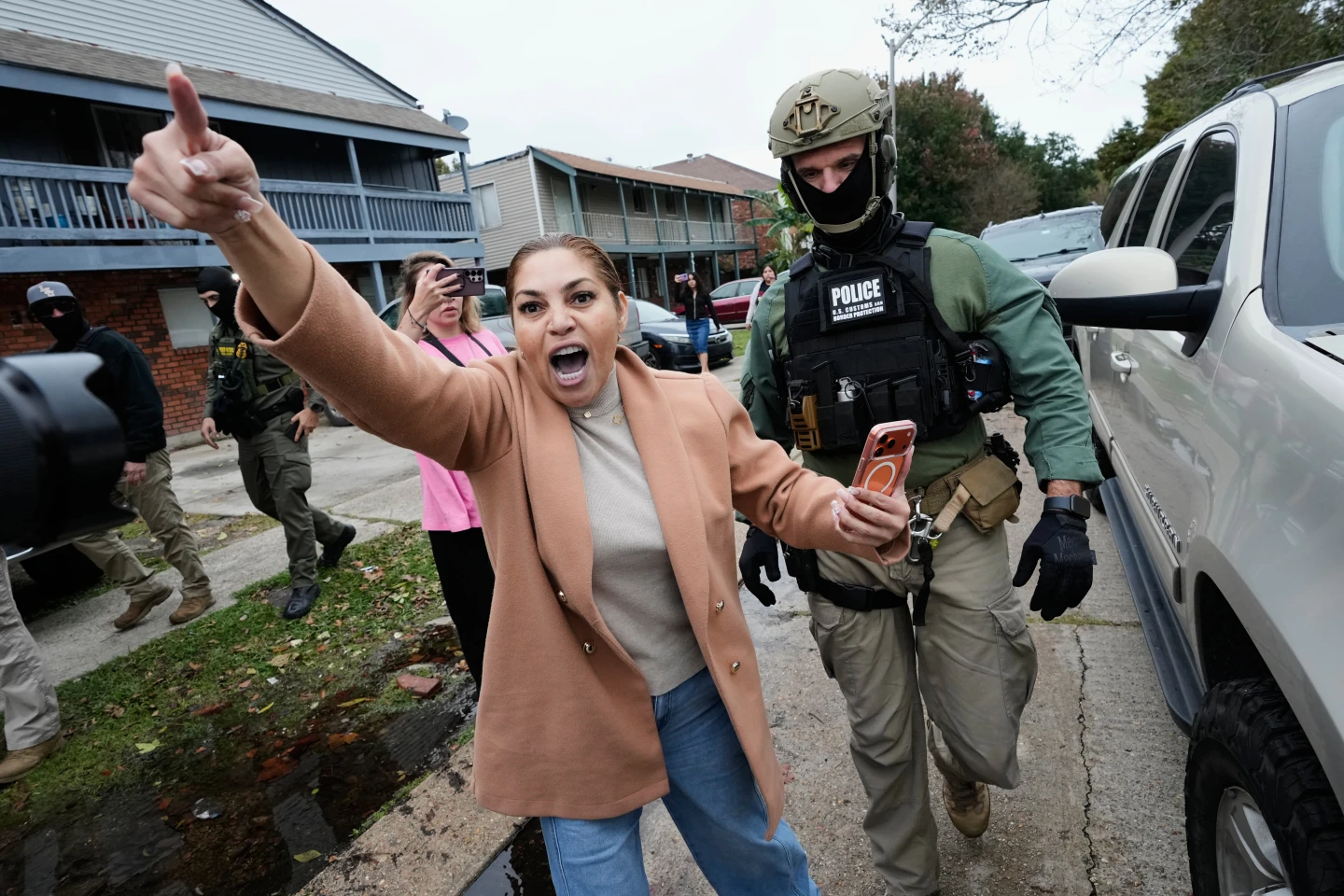
Following the November 26 shooting, which involved an Afghan suspect now under legal scrutiny, ICE has reportedly intensified operations, arresting around two dozen Afghan individuals in the U.S., many of whom had previously sought asylum. In Sacramento—home to one of the largest Afghan communities in the country—volunteers have reported at least nine arrests at the federal building, where men were summoned to check in.
Many detainees had sought refuge at the U.S.-Mexico border over the past two years. Some were among the thousands evacuated under Operation Allies Welcome initiated after the U.S. withdrawal from Afghanistan.
Statements from the Biden administration suggest that scrutiny of Afghan nationals is being re-evaluated, particularly those who entered during the previous administration. However, the rationale for these arrests remains unclear, leading to public concern over potential wrongful detentions.
Critics Decry Collective Punishment
Following the recent violent events, the U.S. government introduced stricter immigration protocols, including halting asylum applications for Afghans and tightening vetting processes. Critics argue that these measures equate to collective punishment for an entire community, many of whom served alongside American troops.
Representative Ami Bera highlighted the unfairness of penalizing a group for the actions of one individual, advocating instead for the lives of those who supported U.S. efforts in Afghanistan.
Witnessing the Fear: Detaiils from the ICE Office
Garcia described the grim scene at the ICE office, where Afghan men were escorted in one-by-one and handcuffed upon entering. She noted an influx of Afghan immigrants who were summoned without prior warning, many of whom were already monitored by ankle bracelets.
The collective anxiety was felt deeply when Garcia overheard the apprehension of the father she had brought in. Despite her attempts to provide him with his legal rights, she faced challenges from security personnel preventing her from intervening.
Onlookers reported similar experiences across different states as the terror of arrests led to palpable fear within the Afghan community, further exacerbating feelings of vulnerability and desperation. With lawyers and advocates expressing growing concern, the future for many Afghans in the U.S. becomes increasingly uncertain.