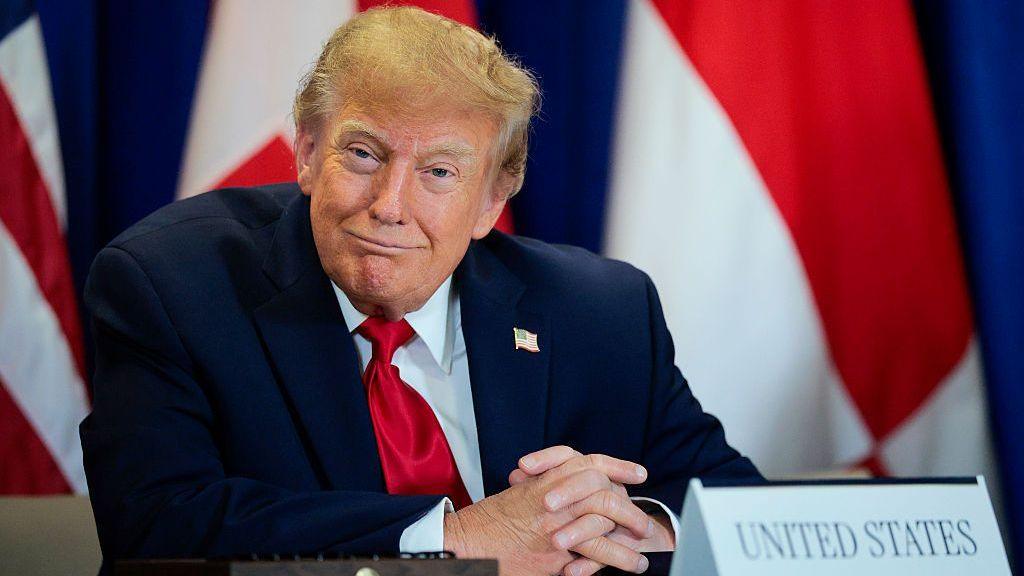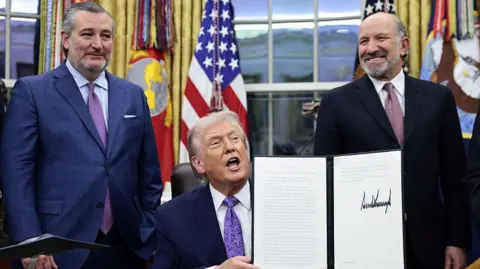
US President Donald Trump has signed an executive order aimed at blocking states from enforcing their own artificial intelligence (AI) regulations.
We want to have one central source of approval, Trump told reporters in the Oval Office on Thursday.
This new executive order will empower the Trump administration to counter what it perceives as the most onerous state-level legislation, with White House AI adviser David Sacks noting that the administration will support AI regulations concerning child safety.
The move is seen as a significant victory for technology firms advocating for uniform national AI regulations, deeming it crucial for the US to maintain its leadership in the rapidly evolving AI sector.
AI industry leaders fear that patchwork regulations at the state level could hinder innovation and weaken the US position in the race against China in the AI field.
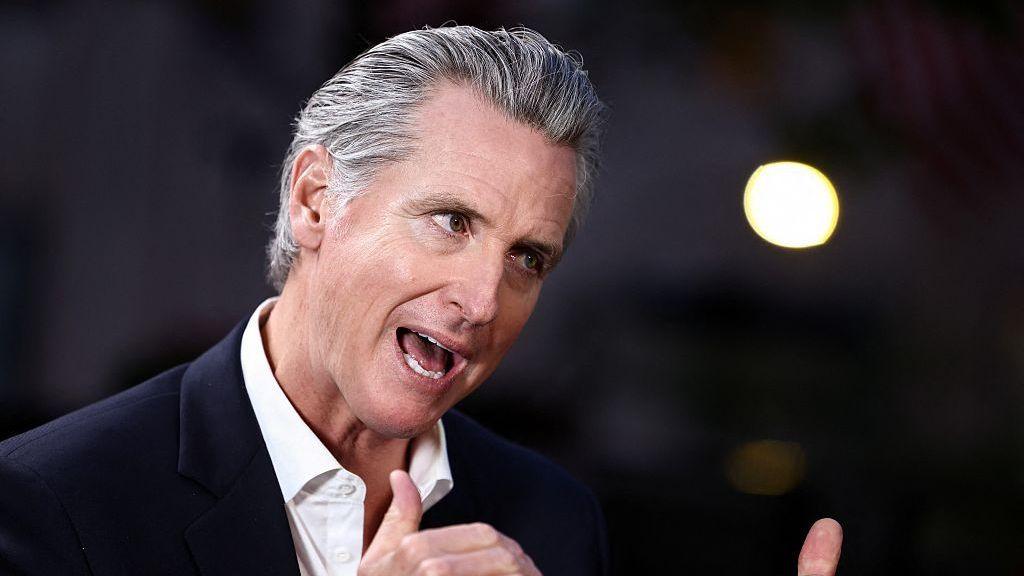
However, the executive order has drawn sharp criticism, particularly from California, a state with existing AI legislation. Governor Gavin Newsom condemned the order, claiming it reflects Trump's ongoing corruption and undermines safeguards designed to protect Americans from unchecked AI technology.
Earlier this year, Newsom had enacted a law requiring leading AI developers to outline strategies for minimizing risks associated with their products.
Other states like Colorado and New York have also implemented their own AI regulations, which Newsom argues could serve as a federal model.
Critics of the executive order argue that without adequate federal regulations, state laws are necessary to protect citizens from potential AI threats. Julie Scelfo of the advocacy group Mothers Against Media Addiction criticized the order, stating that it disregards states' rights to establish necessary safeguards detailing AI usage.
Nevertheless, experts like Michael Goodyear from New York Law School believe having individual states create their own regulations results in inconsistent rules that could be detrimental to the national AI industry, advocating for a consolidated federal approach.
The executive order has garnered support from tech lobby groups such as NetChoice, who express eagerness to work with the government in establishing standardized national guidelines for AI.