In brief
The Serbian National Bank revoked the licence of Alta Banka on 2 November 2026, and Davor Macura, the bank’s owner and chair, was arrested on 3 November. The shutdown has triggered investigations across Serbia, North Macedonia and Montenegro, with questions about depositor funds, money‑laundering allegations and regulatory responsibility remaining unanswered.
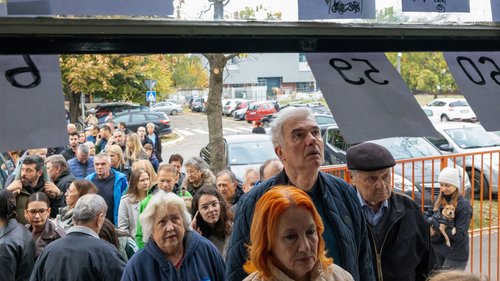
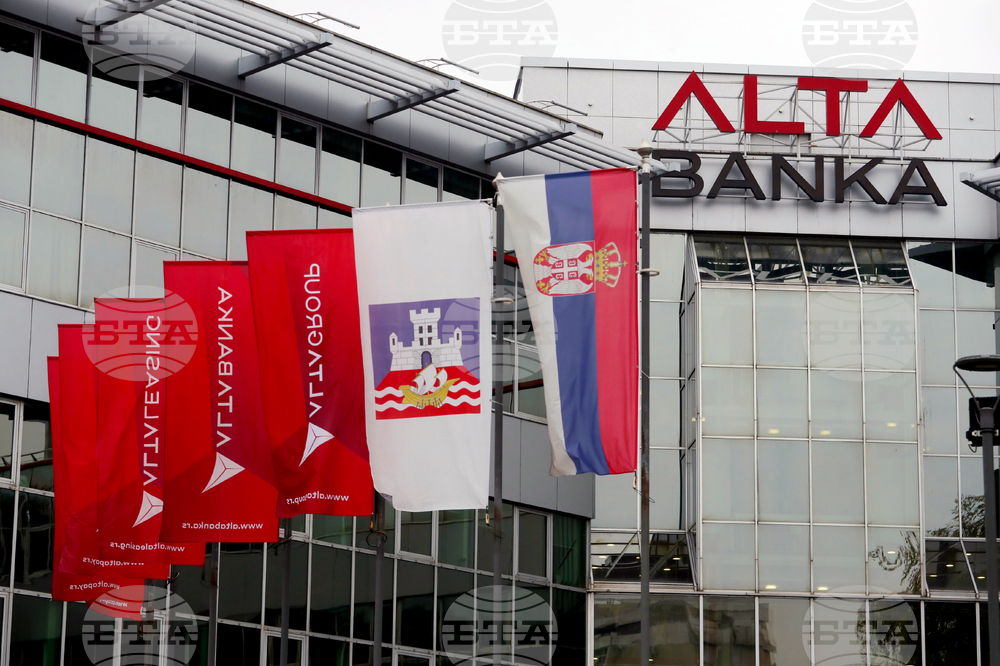
On Saturday, 2 November 2026, the Serbian National Bank revoked the licence of Alta Banka, an institution that had grown from a small currency exchange bureau into a major trust vehicle for state‑owned enterprises, and on Sunday, 3 November, Davor Macura, the owner and chair of the board, was arrested by authorities in Belgrade. The action followed a series of investigations into irregularities in the bank’s operations, which have now expanded to cover related entities in North Macedonia and Montenegro.
Martin Skender’s report notes that Macura began his career running a currency exchange bureau in Belgrade and has long been described in the media as a businessman with close ties to the Serbian Progressive Party and its leader, Aleksandar Vucic. While no confirmation exists that he is a party member, the links have fueled speculation about the depth of his connections to the government. Alta Banka, which over seven years evolved from a successor to the Yugoslav Bank for International Economic Cooperation into a major banking institution, had seen deposits from several of the country’s largest state‑owned enterprises, increasing the stakes of its sudden collapse.
Meanwhile, the regulator in North Macedonia placed Alta Banka a.d. Bitola under temporary administration on Monday. Trajko Slaveski, the governor of the National Bank of the Republic of North Macedonia, clarified that the move was intended to keep the bank’s operations running smoothly rather than to close it. The Montenegrin regulator had already revoked Alta Pay Group’s licence to provide payment services the day the Serbian licence was withdrawn.
In the United States, U.S. Congressman Joe Wilson sent a letter to Secretary of State Marco Rubio on 14 October. The letter identified four Serbian businessmen with alleged ties to the government of Vucic, claiming that they were using public resources for personal enrichment and were involved in money laundering. Among those named was Macura, whose bank was a focal point of the allegations. Alta Banka, however, denied all claims of wrongdoing.
On Monday, N1 reported that the Public Prosecutor’s Office for Organized Crime had called for a formal investigation into Alta’s business operations and the conduct of officials at the National Bank of Serbia. The report also highlighted that three individuals had already been arrested in connection with the case, with Macura suspected of taking RSD 45 billion—more than EUR 380 million—from the bank’s vault. The prosecutor’s office has voiced concerns about possible transfers of funds abroad that might have facilitated money laundering.
Background and Investigations
Alta Banka’s rapid rise was marked by an aggressive expansion strategy that attracted substantial deposits from key state enterprises. Analysts point out that such a concentration of funds can create systemic risk, especially when oversight mechanisms fail. The Serbian National Bank’s decision to revoke the licence, therefore, is seen by some experts as a strict regulatory response to apparent governance and risk‑management failures at the highest level of the institution.
A significant open question remains the fate of depositors’ funds. The National Bank of the Republic of North Macedonia’s temporary administration is intended to preserve depositor confidence, yet details on how those funds will be safeguarded have yet to be released. In Montenegro, the revocation of the payment services licence indicates a broader crackdown, but the Montenegrin government has not yet announced a plan for deposit refunds.
The money‑laundering allegations raised by the U.S. Congressman and the accusations cited by the National Bank of Serbia create a complex legal landscape. While Alta Banka has denied any wrongdoing, the investigations—both domestic and foreign—continue to probe whether Altar’s operations complied with anti‑money‑laundering regulations. The interplay between the Serbian and North Macedonian regulatory bodies further complicates the legal process, as each jurisdiction may have different evidentiary standards and enforcement protocols.
Another point of contention is the role of the National Bank of Serbia’s officials. N1’s report calls for an investigation into the conduct of NBS officials who may have facilitated or ignored suspicious activity. Determining the extent of regulatory oversight and whether any officials acted negligently or deliberately will be critical in shaping Serbia’s future banking regulations.
Whether Macura will face criminal charges for the alleged embezzlement remains in limbo. The presence of a pre‑trial detention in Belgrade does not preclude further legal action in other jurisdictions where the bank’s operations extended. The case may ultimately test international cooperation between European regulatory agencies and the U.S. Department of Justice, especially if the investigation uncovers cross‑border laundering networks.
As the investigations unfold, the global financial community watches closely. The Stál to put an end to the collapse of a key banking institution in Southeast Europe will not only set a precedent for regulatory enforcement in the region but will also test the resilience of banking systems reliant on large state‑owned enterprises.