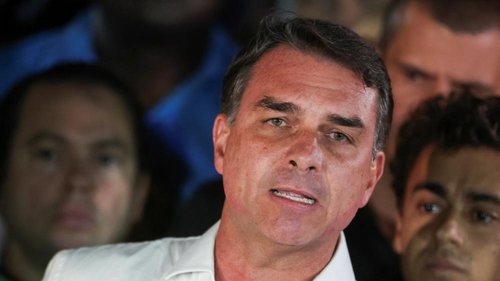
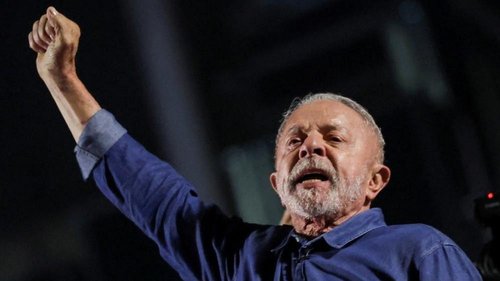
On Wednesday, North Macedonian Prime Minister Hristijan Mickoski and opposition leader Venko Filipce exchanged heated remarks in Skopje following the announcement of Serbia’s parliamentary election results, according to a report by BTA. The clash came after Serbian voters chose the Student Movement list, led by Ilija Srdanovic, to win the October 25 election, prompting Mickoski to offer his congratulations to the new government while Filipce levied accusations of corruption and pro‑Vucic bias against the Skopje administration.
Background on Serbia’s Election
The Serbian parliamentary elections saw the Student Movement, a coalition of young activists and political newcomers, secure a decisive victory over the long‑ruling Serbian Progressive Party (SNS) headed by Aleksandar Vucic. Ilija Srdanovic emerged as the movement’s prominent figure, and the election result was seen by some as a sign of a generational shift in Serbian politics. The Student Movement’s triumph triggered widespread commentary across the Balkans, with neighboring governments either celebrating the anticipated democratic wave or warning against potential instability.
The Exchange
According to the BTA report, Hristijan Mickoski was among the first to publicly congratulate Serbia’s new government, stating that he expected good neighbourly ties to foster greater economic cooperation. Speaking at a press event in Skopje, Mickoski said, “We are among the first to congratulate Ilija Srdanovic, the leader of the Student Movement, who has won the parliamentary elections in Serbia.” He further added that he and Serbia “will continue working to increase economic cooperation,” positioning Skopje as a constructive partner in the region.
Mickoski said he was “acquainted with the insults, fabrications, and lies” that the opposition had directed at him, implying an ongoing verbal battle that had been part of North Macedonian politics for months.
In contrast, Venko Filipce took a harsher stance, suggesting that the Skopje government was part of a network that positively supported Aleksandar Vucic’s regime. In the same press conference, Filipce accused the ruling establishment of being linked to Vucic’s Serbian Progressive Party through corruption schemes in the energy sector and drug trafficking. He asserted, “The government of North Macedonia is linked to Vucic’s party through corruption schemes in the energy sector and through drug trafficking.” Filipce also criticized the perceived closeness between Skopje and former Serbian leader Viktor Orbán, arguing that this relationship kept the country “captive, in a media blackout, and under a highly corrupt regime.”
Following the confrontation, the VMRO‑DPMNE party, which is led by Mickoski, released a statement condemning the remarks about Vucic’s “defeat” and framing them as a betrayal of the friendship that had existed between the two administrations. The statement read that the party “remembers how, a few years ago, when Filipce and Zoran Zaev were in power, they glorified and honoured Vucic.” The party’s statement framed Filipce’s comments as a misunderstanding of the historic ties that the ruling party has maintained with Serbia.
These exchanges occur amid a broader debate within North Macedonia about the role of elites and the level of influence exercised by neighboring Serbia in the country’s political life. Analysts in the country have pointed out that the relationship between the two governments is complex; while the ruling party has historically maintained strong economic and political links with Serbia, the opposition has at times expressed concern about the impact of such ties on North Macedonia’s democratic development.
The incident raises several open questions. First, how do the claims about corruption and drug trafficking weigh against the formal diplomatic and economic cooperation between North Macedonia and Serbia? Second, can the rivalry between the ruling party VMRO‑DPMNE and the opposition SDSM, as illustrated by the debate over the Student Movement’s victory, be indicative of a larger split over the country’s stance toward its northern neighbor? Finally, what role does the international community play in moderating these tensions, particularly given the scrutiny of both governments by regional institutions such as the European Union?
Observers have noted that the verifiable facts of the Serbian election are established, with the Student Movement emerging as the leading party. However, North Macedonian media continue to disagree on the extent of influence that the new Serbian government will exert on Skopje. The current events underscore the fragility of the region’s political landscape and highlight how domestic political discourse can be heightened by developments abroad. The debate will likely continue as both sides work to solidify their own narratives while responding to each other’s accusations in the public arena.