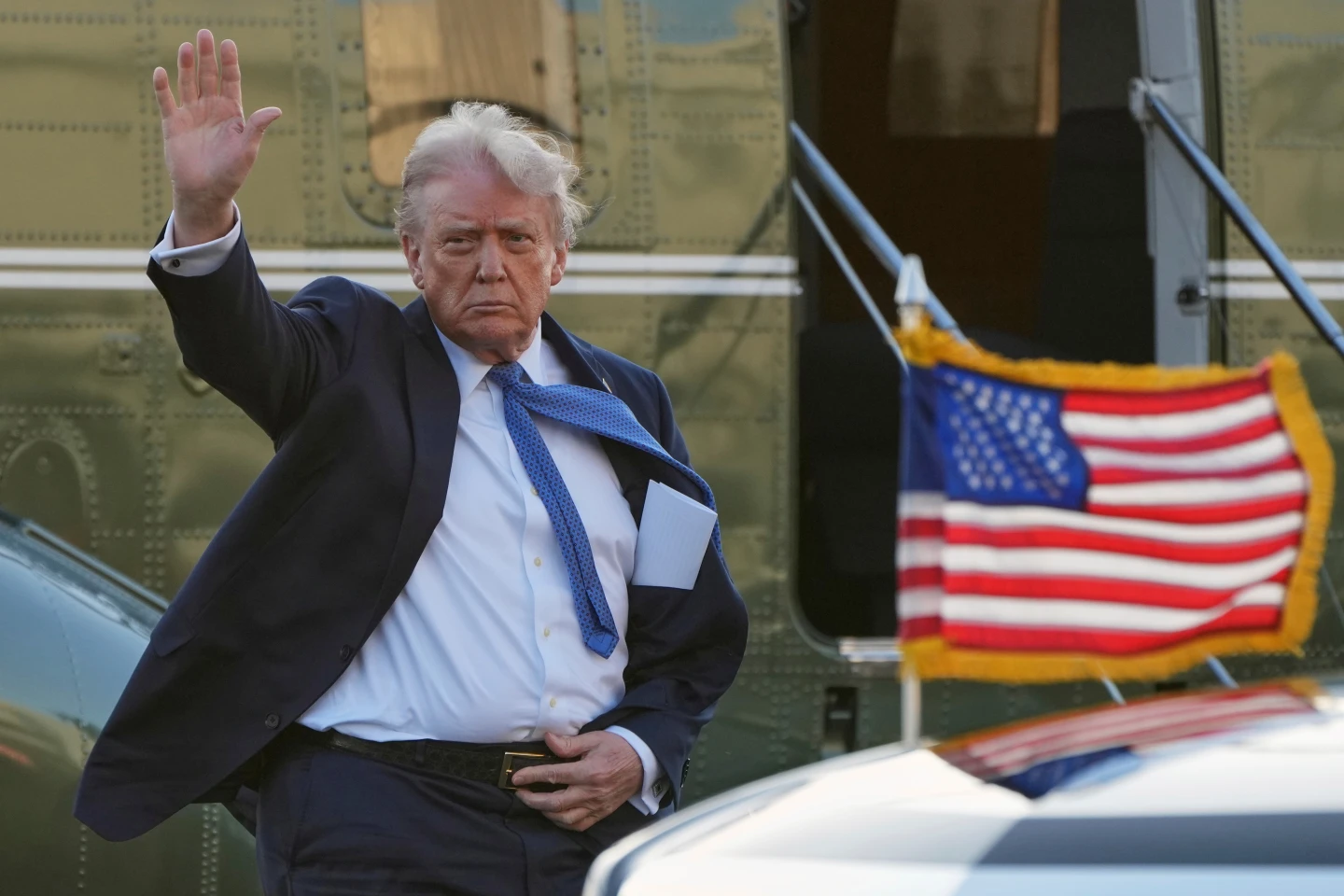
As Donald J. Trump begins his new term, he re-embarks on a contentious path concerning U.S.-China relations. His unpredictability has long been a hallmark of his approach, often oscillating between aggressive posturing and conciliatory remarks aimed at Chinese leadership. Trump’s pledge to apply sweeping tariffs on Chinese imports—potentially up to 200 percent in response to any moves toward Taiwan—signals a renewed hardline stance.
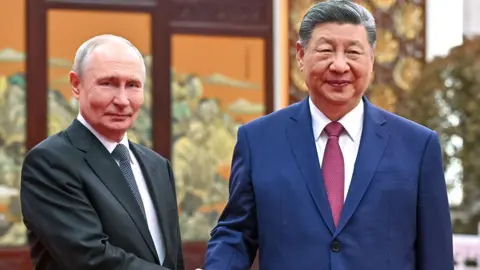
Beijing’s response, shaped by past experiences with Trump’s administration, establishes a wary expectation of ongoing rivalry. Analysts suggest that despite Trump's past appreciations for Chinese President Xi Jinping, Xi likely interprets America's rising competitive inclinations as a consistent challenge rather than a diplomatic opportunity. “Xi Jinping is an unsentimental leader with a dark interpretation of America’s intentions toward China,” remarks Ryan Hass, from the Brookings Institution, encapsulating the complex relationship dynamics between the two superpowers.
Indeed, while Trump has acknowledged Xi's leadership capabilities, any perceived personal rapport is unlikely to alleviate ongoing friction. Instead, China's leadership prepares for a potentially volatile period, marked by confrontations on trade, regional security, and global influence.
As these developments unravel, the world watches closely, aware that past attempts by both nations to steady their groundwork might be disrupted anew under Trump’s presidency. What remains to be seen is whether either side can prioritize cooperation amidst an atmosphere thick with competition and suspicion.
Beijing’s response, shaped by past experiences with Trump’s administration, establishes a wary expectation of ongoing rivalry. Analysts suggest that despite Trump's past appreciations for Chinese President Xi Jinping, Xi likely interprets America's rising competitive inclinations as a consistent challenge rather than a diplomatic opportunity. “Xi Jinping is an unsentimental leader with a dark interpretation of America’s intentions toward China,” remarks Ryan Hass, from the Brookings Institution, encapsulating the complex relationship dynamics between the two superpowers.
Indeed, while Trump has acknowledged Xi's leadership capabilities, any perceived personal rapport is unlikely to alleviate ongoing friction. Instead, China's leadership prepares for a potentially volatile period, marked by confrontations on trade, regional security, and global influence.
As these developments unravel, the world watches closely, aware that past attempts by both nations to steady their groundwork might be disrupted anew under Trump’s presidency. What remains to be seen is whether either side can prioritize cooperation amidst an atmosphere thick with competition and suspicion.