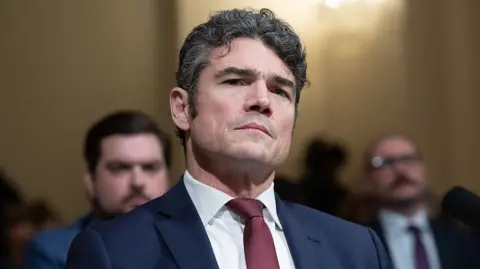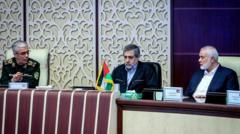
According to IDF chief Eyal Zamir, Izadi bore direct responsibility for the bloodshed, labeling the strike as a significant intelligence and operational success. The Iranian government has not confirmed Izadi's death and has habitually refuted claims of its cooperation with Hamas in recent confrontations.
Details of the operation reveal that Izadi was targeted in a Qom apartment early Saturday morning. As the head of the Palestine Corps within the Iranian Revolutionary Guard Corps's Quds Force, he oversaw connections with Palestinian militant factions, significantly contributing to Hamas's supply of arms and finances. Previously, in April 2024, he narrowly escaped an Israeli airstrike on the Iranian consulate in Damascus, which resulted in the deaths of several senior Quds Force officials.
Additionally, the IDF claims to have assassinated another Quds Force commander, Behnam Shahriyari, in a drone strike while he was traveling in western Iran. Shahriyari was allegedly responsible for transporting weapons to militant groups such as Hamas and Hezbollah.
As the conflict escalates into its ninth day, Iranian officials report at least 430 casualties in Iran, including military leaders, since the hostilities reignited on June 13. In Israel, 25 fatalities have been recorded, including one attributed to a heart attack. Amid these developments, Iranian officials continue to express threats against the U.S. should it intervene, amidst discussions of a potential American response to Iran's nuclear activities.
The ongoing violence has led to renewed fears of a broader regional confrontation, with both nations launching aggressive operations aimed at furthering their military objectives in this volatile period.
Iran's nuclear negotiations remain stalled, with officials stating that talks will not resume until Israeli military actions cease, and tensions climb as both sides brace for continued assaults amidst the escalating conflict.
Details of the operation reveal that Izadi was targeted in a Qom apartment early Saturday morning. As the head of the Palestine Corps within the Iranian Revolutionary Guard Corps's Quds Force, he oversaw connections with Palestinian militant factions, significantly contributing to Hamas's supply of arms and finances. Previously, in April 2024, he narrowly escaped an Israeli airstrike on the Iranian consulate in Damascus, which resulted in the deaths of several senior Quds Force officials.
Additionally, the IDF claims to have assassinated another Quds Force commander, Behnam Shahriyari, in a drone strike while he was traveling in western Iran. Shahriyari was allegedly responsible for transporting weapons to militant groups such as Hamas and Hezbollah.
As the conflict escalates into its ninth day, Iranian officials report at least 430 casualties in Iran, including military leaders, since the hostilities reignited on June 13. In Israel, 25 fatalities have been recorded, including one attributed to a heart attack. Amid these developments, Iranian officials continue to express threats against the U.S. should it intervene, amidst discussions of a potential American response to Iran's nuclear activities.
The ongoing violence has led to renewed fears of a broader regional confrontation, with both nations launching aggressive operations aimed at furthering their military objectives in this volatile period.
Iran's nuclear negotiations remain stalled, with officials stating that talks will not resume until Israeli military actions cease, and tensions climb as both sides brace for continued assaults amidst the escalating conflict.