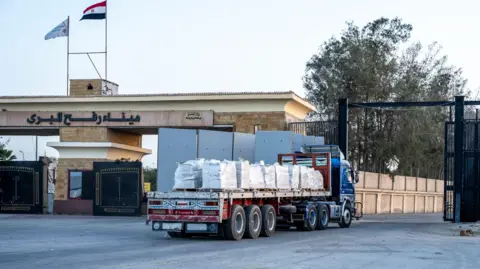
Palestinians have started to re-enter the Rafah border crossing between the Gaza Strip and Egypt after it reopened for the movement of people. The crossing has largely been closed since May 2024, when the Palestinian side was captured by Israeli forces.
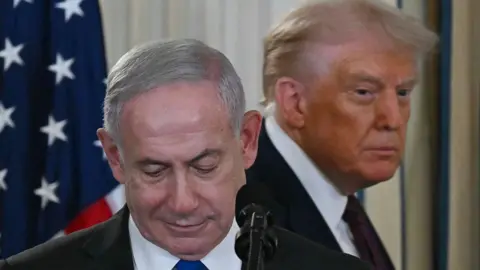
The long-delayed reopening is a key part of the first stage of US President Donald Trump's ceasefire plan between Israel and Hamas, which began in October.
Only dozens of people will be able to cross in both directions each day. Humanitarian aid and commercial goods will still not be allowed through.
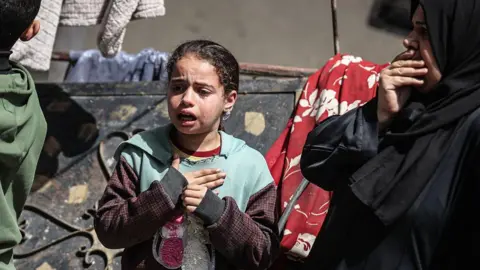
Around 20,000 sick and wounded Palestinians are waiting to leave Gaza for treatment. Israeli reports state that only 50 patients, accompanied by two relatives, will be allowed to exit each day, while 50 individuals who fled Gaza during the conflict will be permitted to return.
The World Health Organization (WHO) will oversee the transfer of patients, transporting them by bus through Israeli-controlled territory to the crossing.
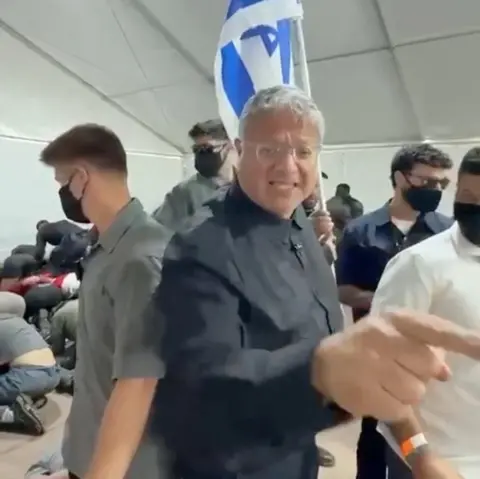
Israeli Defence Minister Israel Katz warned that anyone who crossed the Yellow Line, marking Israeli-controlled territory under the ceasefire deal, would be met with fire.
The Rafah crossing will be managed by European Union supervisors and local Palestinian staff, with Israel conducting remote security checks. A trial opening of the crossing was carried out and completed successfully, with Palestinian staff arriving at the Egyptian side ahead of full operations.
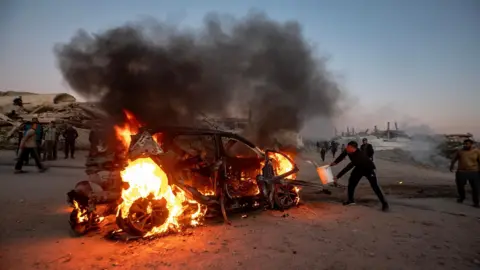
The reopening was also contingent on Israel retrieving the body of the last dead Israeli hostage in Gaza, which has complicated the situation amidst ongoing violence.
Before its recent closure due to military action, the Rafah crossing served as a crucial exit point for Palestinians and a key entry for humanitarian aid.