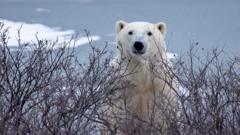
In the remote town of Churchill, often dubbed the polar bear capital of the world, local students are accustomed to a life intertwined with these formidable creatures. During a recent visit, 13-year-old Tee confidently shared her "polar bear advice" to a BBC film crew, recommending that should one encounter a bear too close, an instinctive punch to the nose might make it retreat. While Tee's wisdom has yet to be put into practice, bear safety is deeply ingrained in daily life here.
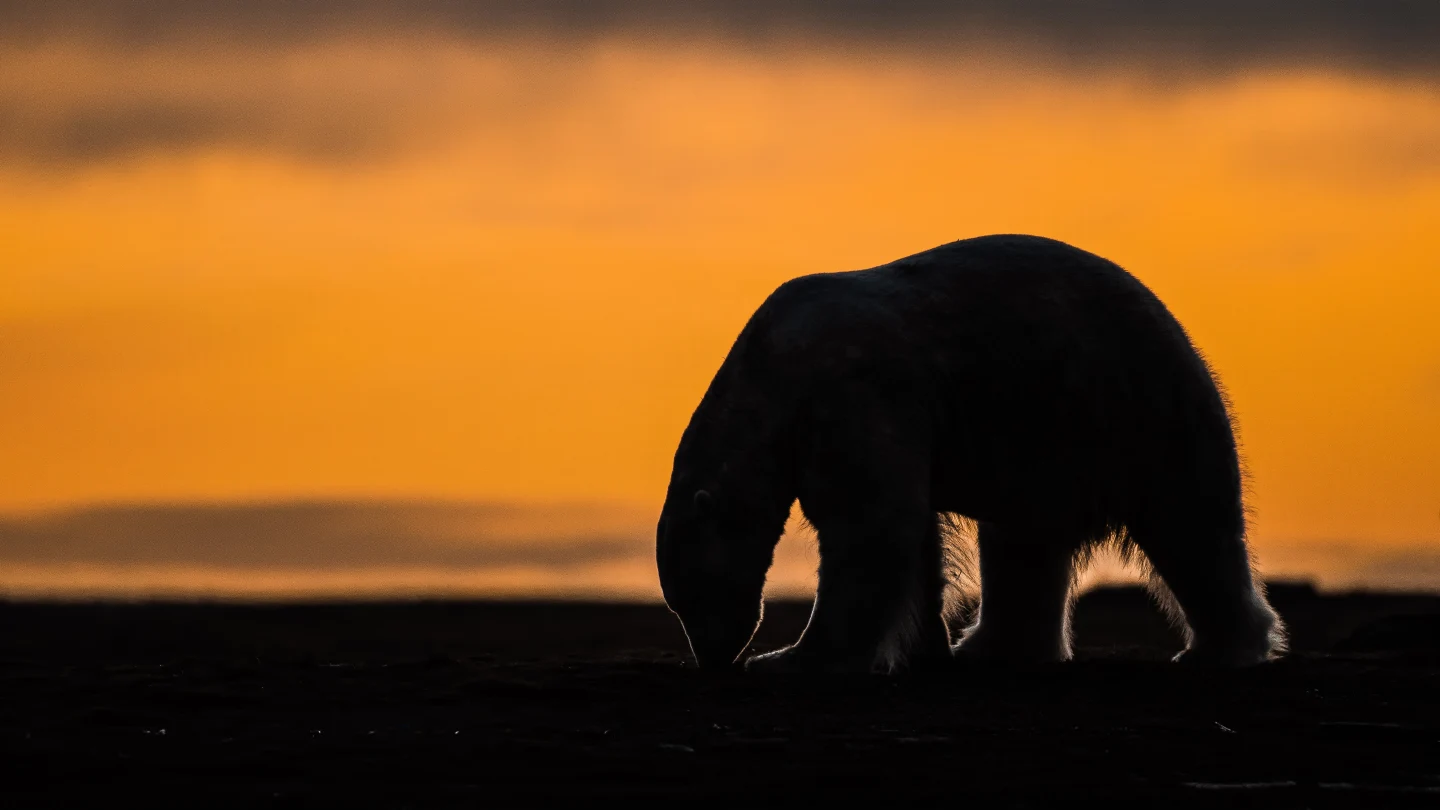
The call for "bear awareness" echoes through town, with murals illustrating the majestic Arctic wildlife that draws thousands of tourists annually. However, as summer retreats and winter conditions set in, polar bears rely heavily on sea ice to hunt seals, their primary food source. Unfortunately, warming temperatures have diminished sea ice in the Hudson Bay, critical for the bears' survival.
Alysa McCall from Polar Bears International (PBI) notes that the population of polar bears observed in the area has decreased dramatically, from about 1,200 in the 1980s to nearly half that number today. This decline correlates with an extended ice-free period in the bay, which increasingly endangers these animals and alters their natural behavior.
With bears spending longer periods on land due to the delayed formation of sea ice, encounters between humans and bears are becoming more common. PBI scientists, eager to safeguard these predators and the people of Churchill, now employ innovative technologies, including a radar system nicknamed "bear-dar" to detect bears' movement, allowing for proactive safety measures.
Local ranger Ian Van Nest is part of the first line of defense against bear encounters. On a routine patrol, he describes using baited traps to deter bears and relocate them safely away from human settlements. The town has not seen a fatal attack since 1983 due in part to the establishment of the polar bear alert program.
Amid these pressing challenges, Churchill's new research facilities, like the Churchill Marine Observatory, are studying climate change's impacts on local ecosystems and the potential threats to polar bear populations. They aim to enhance predictive models for the future and prepare for increased shipping activity as the Arctic warms.
Churchill's mayor, Mike Spence, remains optimistic about the community's resilience. His vision for the future includes extending the operational season of the town’s port, which currently remains frozen for nine months of the year, enhancing the local economy even as they face ecological upheaval.
Tee and her classmates observe the polar bear alert team's swift response to an incursion near their school, a reminder of the natural world’s proximity. Reflecting on the potential future, Charlie, a classmate, speculates on the impact of unchecked climate change, fearing a world where polar bears no longer return to their beloved bay.
In this precarious balancing act, the dual struggles of the community of Churchill and the polar bear population continue to unfold, reiterating the complex relationship between climate change and human-wildlife interactions in the Arctic.