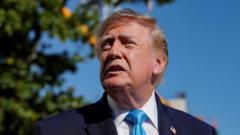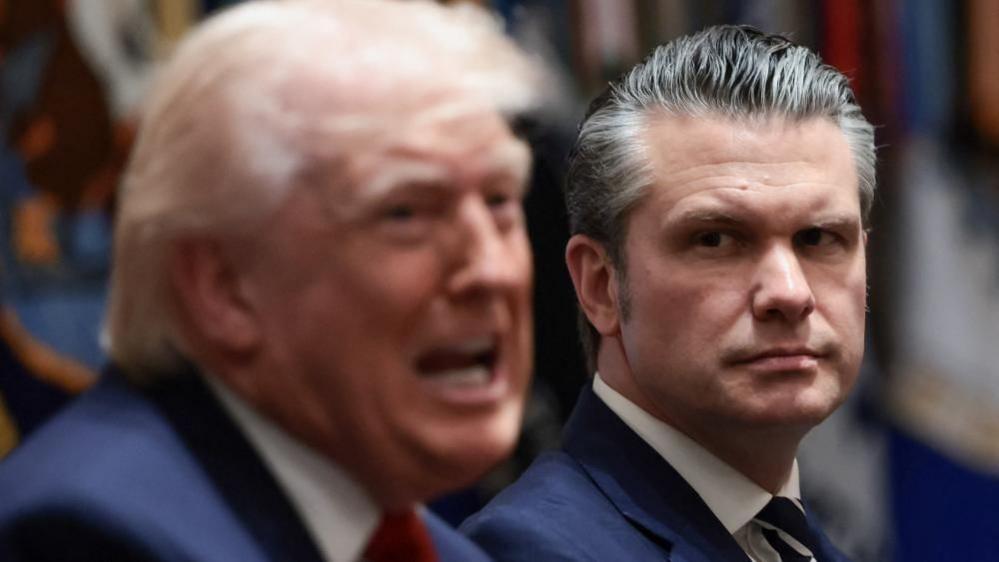
At a mid‑terms rally in Nebraskaf Donald Trump said, in a moment that stunned many, that Iran could strike Los Angeles and San Diego if the United States had not taken decisive action earlier this year. Those words came as Trump emphasized that the U.S. had risk‑managed global security by engaging in a conflict with Iran.
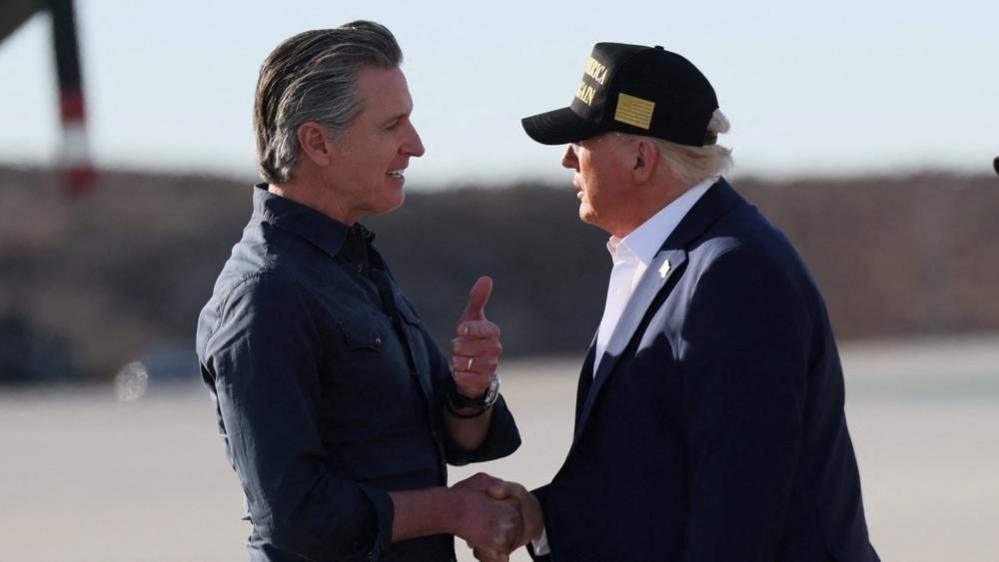
The remarks ignited swift backlash from California’s top officials. Governor Gavin Newsom called Trump’s comment deranged and dangerous, while Los Angeles Mayor Karen Bass denounced it as a threat and an attempt to encourage attacks on American lives. San Diego Mayor Todd Gloria also joined the condemnation, insisting the city was not collateral damage in any war scenario.
In a counter‑barrage, White House Communications Director Stephen Cheung dismissed the controversy as a media panic, asserting that Trump was highlighting a hypothetical threat that would only materialise if Iran’s nuclear program was not stopped. Cheung stated, through a short X post, that America was safer because of the president’s efforts and that Iran lacked the power to launch a nuclear strike on the mentioned cities.
The White House further clarified that Trump’s comment was meant to illustrate the danger of a nuclear‑armed Iran facing U.S. metropolitan areas, rather than to encourage hostility. An official White House rapid‑response account posted, referring to Los Angeles Times reporters as “buffoons,” and reiterated that the president’s goal was to prevent Iran from acquiring the means to take out Los Angeles and San Diego.
Both Los Angeles and San Diego are home to significant military installations, including naval ports and air force bases, underscoring the strategic sensitivity of the cities in the context of U.S. defense infrastructure.
The clash between Trump and California officials is not new. Earlier this year the former President mocked Governor Newsom’s dyslexia, and the governor had previously accused Trump of abusing power during the federal deployment at protest sites. These episodes demonstrate a deepening political rift as the 2027 mid‑terms loom.