Streets that once bustled with market stalls now echo with the distant thud of mortar shells. In Taiz, a city perched on Yemen’s western ridge, the fight between Saudi‑backed government forces and Iranian‑backed Houthi rebels has taken on a new, more lethal dimension.
Last month, a lone drone drifted low over civilian housing, its eerie hum a harbinger of the shelling that followed. “This is the first drone,” a soldier told us, his voice tense. Inside the cramped vehicle, the crew sowed their hands into the steering wheel as the buzzing crescendoed, until the vehicle’s front wheels clipped a fallen tree branch and the interior shuddered into a blown‑air emergency.
Within ten minutes, explosions punctuated the night, one after another, but the sub‑alternatives positions where they fell remained uncertain to foreign observers. The back‑country terrain measuring a few thousand feet above sea level means that front lines can shift overnight between villages and abandoned homes, leaving families to wonder whether their dwellings will be spared.
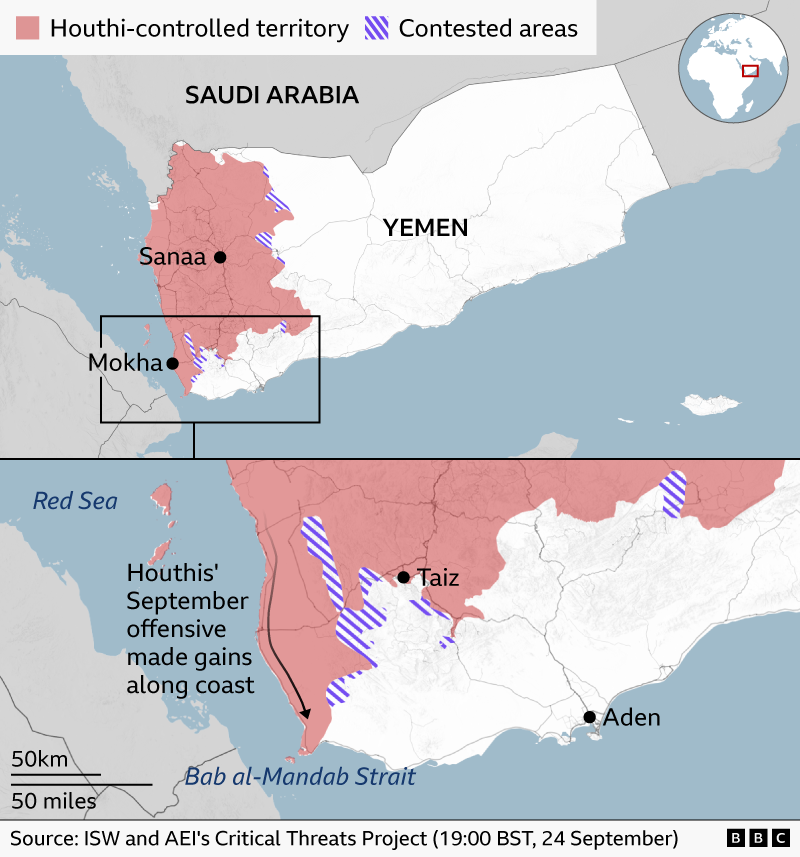
The city’s strategic importance lies in its proximity to the reef that dominates the Bab al‑Mandab Strait—one of the world’s busiest maritime corridors. When the Houthis seized Mokha in early September, the result was a chain reaction of Saudi air strikes and Houthi drone incursions aimed at crippling Saudi infrastructure and pressuring international shipping.
A map of the region from the Institute for the Study of War and the Analytical Enterprise’s Critical Threats Project, shows how Houthi‑controlled pockets have grown around Taiz’s western approach, creating a contested ridge that both sides fight over: long‑range mortars give the rebels a foothold over the high ground, while government units rely on artillery and air bursts from coalition aircraft.

Where the front ends and the civilian world begins is a blurred line. Behind supermarket aisles and cafés, families have been forced to abandon homes for displacement camps or for the shadow of a badly damaged house that has not yet been lost to the shelling. One villager, “Ali,” sits beside a herd of goats under a broken awning near his abandoned house. “Two mortars landed here on my property,” he says, eyes red. It is an image that has become emblematic of the city’s present reality.
Children such as twelve‑year‑old Ghana Nabeel, who was herding goats, have seen the malicious focus of Houthi fire: a mortar lands near her, throwing lethal shrapnel into her skull. At al‑Thawra Hospital, she lies in an intensive care bed under a blanket of bandages, her family waiting in a bleak corridor for her recovery. Doctors warn that her brain damage will change her life forever.
On the periphery of the fighting, a smaller camp outside Taiz—Al‑Monig—holds some 200 families who fled Mokha and small villages. The camp’s tentfields stretch under a gray sky; a woman named “Maryam Saleh” weaves a hat to earn a meal while their children cry. The village that used to be a thriving market now echoes with the sound of distant artillery.
Displacement remains the largest mercy clause of the battlefield: UN figures now cite about 130,000 people displaced in September alone. A population that was already scattered by four years of war now faces a wave of displacement that may overwhelm relief agencies. The humanitarian toll, combined with the strategic importance of Taiz as a gateway to the port of Mokha, makes this a focal point for the international community.
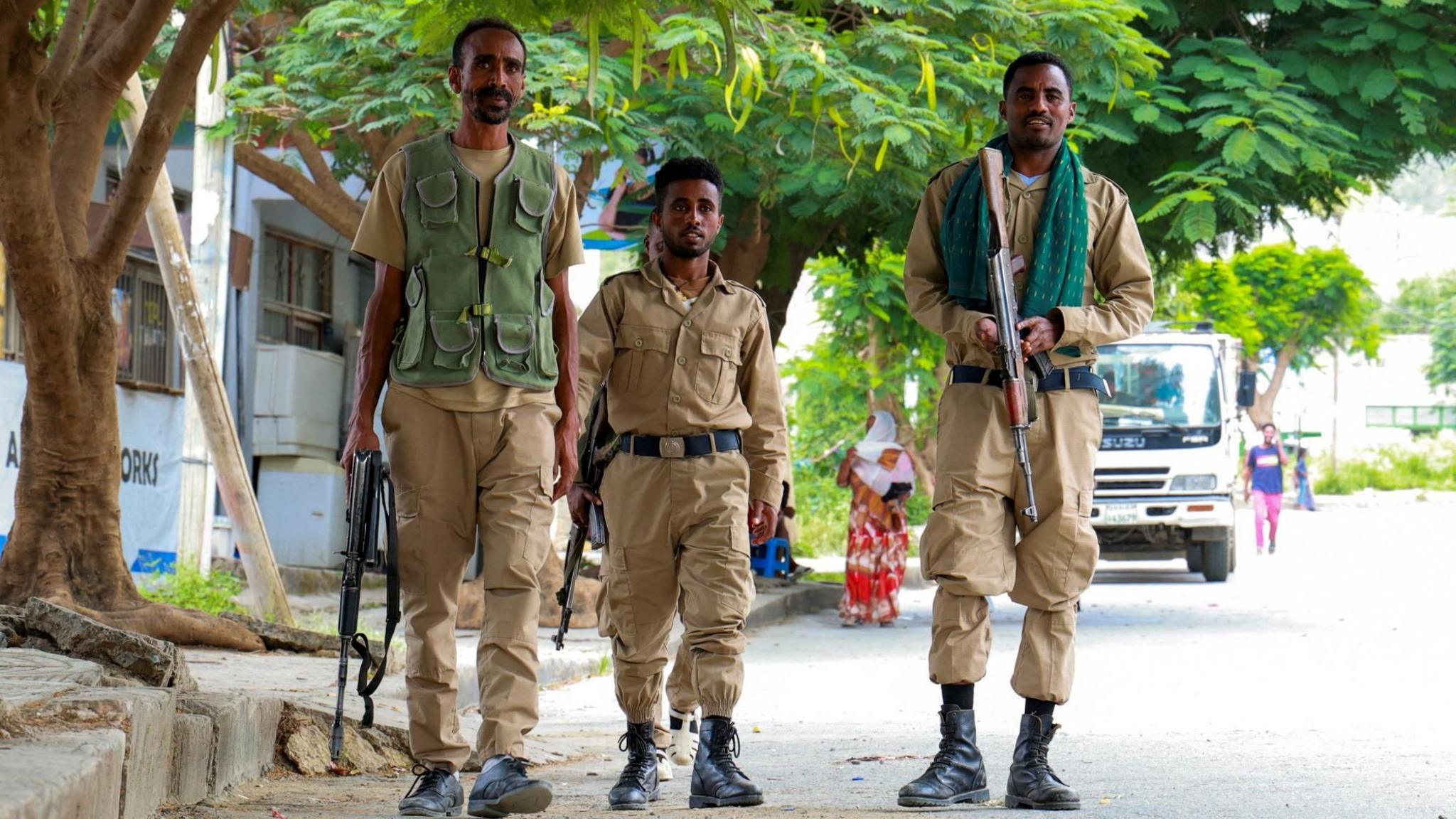
Back on the front, government soldiers escort civilians from checkpoints to the lines of engagement. One unit, on a ridge mere 300 meters from the Houthi positions, can see the bodies of eighteen fallen comrades within the sunken crater, but the wounding artillery and airstrikes prevent them from reaching them. Their words echo a tone of fatalistic determination: “We shoot over them, but we can’t pull them out.”
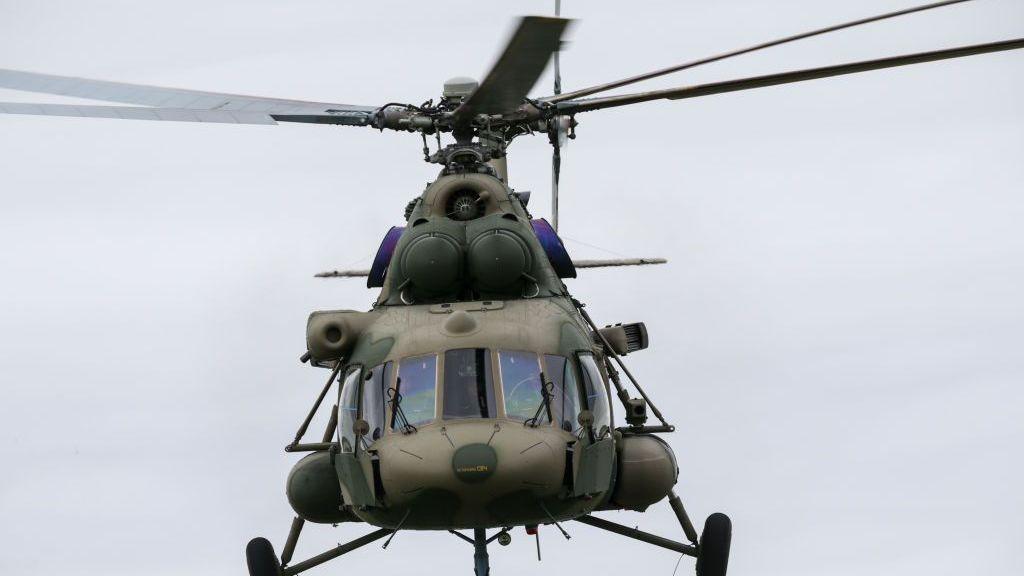
The conflict is sharpened further by the use of drones—an emerging tool that adds precision but also a psychologic edge. The Houthis’ effective foreign supply chain remains a critical question: Iran is frequently cited in reports for air and ground support, though they deny direct supply of weapons and claim solely political support.
Nevertheless, the stakes remain high. As Saudi‑led forces paint a formidable front with every strike, the Houthis prepare for a large offensive that could change the balance of power around the Bab al‑Mandab Strait, risking a disruption that would ripple across Europe and Asia’s shipping lanes.
At a glance, Taiz may appear just another city in a war‑torn country. For its residents, however, it stands as a living testament to the war’s relentless toll on lives, lands, and hope—an ever‑shifting battleground that blurs the lines between combat and day‑to‑day survival. In the end, the city’s fate will hinge on the broader geopolitical calculus that fuels this decade‑long conflict.