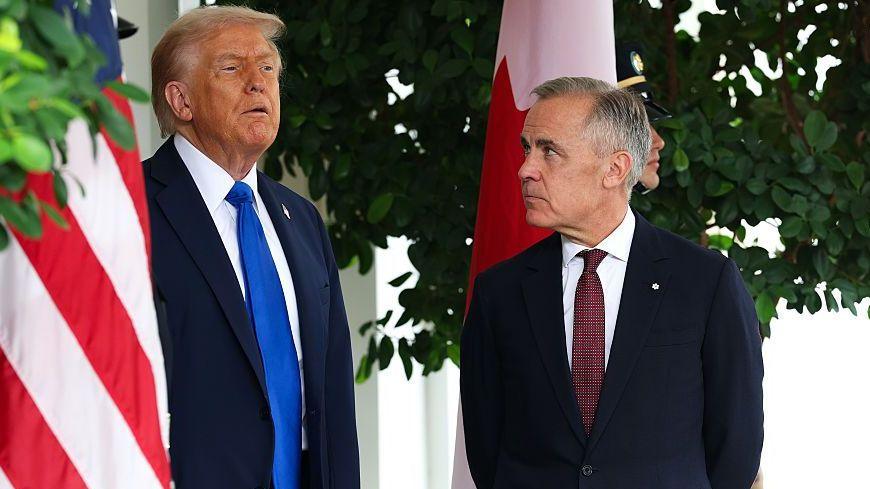

On Tuesday, President Donald Trump announced a series of executive orders that will ban imports of several Canadian categories—alcohol, dairy, motor vehicles and other goods—and will take effect on 29 September.
When Canada’s Prime Minister Mark Carney declared a pivot away from the United States and imposed dollar‑for‑dollar retaliatory tariffs on American goods such as steel, clothing and furniture, the U.S. had already had to act. Last month, the White House imposed 50% tariffs on roughly $20 billion of Canadian goods in an effort to force a new trade agreement.
Both sides have repeatedly stated a desire for a negotiated deal, yet no new talks have been scheduled since negotiations collapsed in late August. The ban is an expansion of the trade conflict that already saw the U.S. rename Lake Ontario as “Lake America,” sparking outrage on both sides.
Although the ban marks a significant escalation, both governments insist that diplomatic talks can still be revived. The practical implications for American exporters and Canadian producers remain to be seen as the two countries fight a tariff and ban counter‑offensive.