In brief
Gloria Steinem began her journey in a nomadic, unstable family, later becoming a voice for women's rights through investigative writing, activism, and the founding of Ms. magazine. Her undercover work at Playboy exposed exploitation, while her essays on abortion forged a new public dialogue and helped change law. Steinem’s career also encompassed political lobbying, support for reproductive freedom, and engagement with social issues beyond gender—including LGBTQ+ rights. Despite criticism and harassment, she has become an icon whose work continues to influence feminist thought and policy. The anniversary of her 90th birthday underscores her lasting commitment to empowering every woman to realize her full potential.
The journey of Gloria Steinem, from a peripatetic childhood in Ohio to becoming a global icon of the second‑wave feminist movement, is one of resilience, audacity, and transformative influence. Born on 25 March 1934, her early life was marked by family instability; her father vanished when Steinem was ten, leaving her to care for a mentally ill mother in a caravan. These formative experiences would later fuel a lifelong commitment to social justice.
Breaking the Newsroom Mold
Steinem entered the male‑dominated world of magazine journalism in the 1960s and, in 1963, undertook an undercover mission as a Playboy Bunny. The resulting exposé, “A Bunny’s Tale”, was published in Show magazine and shocked readers with its vivid account of sexism, underpaid labor and physical exploitation at the Playboy empire. Although the story initially faced skepticism and the press dismissed her as a “former Bunny,” it opened doors to major outlets such as the New York Times and New York Magazine.
The Birth of Ms. Magazine
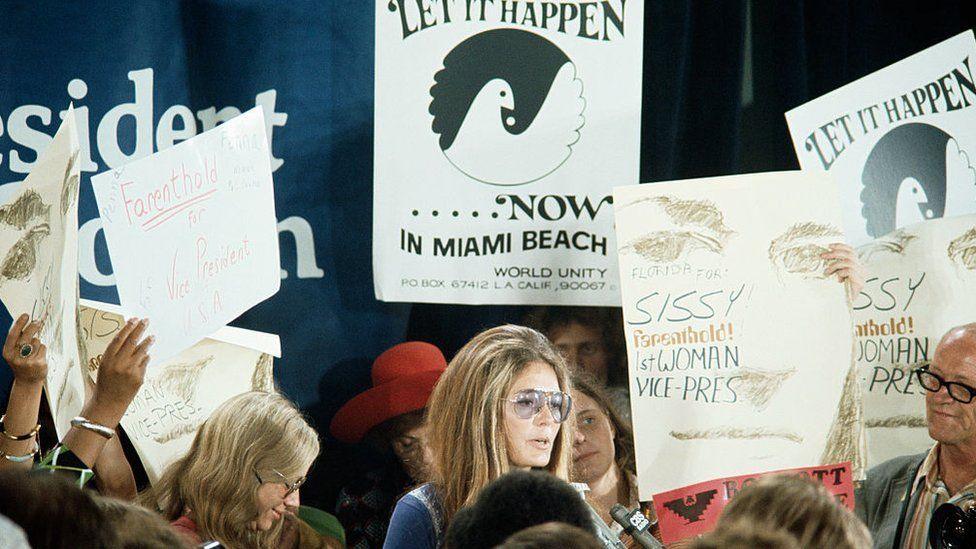
In 1972, Steinem launched Ms. magazine with a coalition of feminist activists. Far from the glitzy lifestyle publications of the era, Ms. offered critical essays, raw storytelling and a platform for women’s struggles. The first issue sold out in a week and amassed 26,000 subscribers—an unprecedented achievement that earned the publisher a lasting place in American media. In 1978, the iconic essay “If Men Could Menstruate” continued her legacy of provocative social commentary, challenging entrenched gender hierarchies.
Advocacy for Abortion and Reproductive Freedom
Steinem’s activism extended to the reproductive rights arena. In 1969, after sharing her own abortion experience at a rally, she adopted the phrase “reproductive freedom”—terms that remain central in contemporary abortion debates. Her public testimony before Senate hearings on the Equal Rights Amendment (ERA) in 1970 showcased her unflinching dedication to public policy reform.
Challenges, Criticisms, and Censorship
During her career, Steinem faced backlash from both the political right and left. She endured harassment from media outlets, a personal phone number leak by porn publisher Al Goldstein, and ridicule over her “glamorous” appearance. Despite it, she remained a central figure in public debate, famously arguing that cancel culture dampens open conversation.
Legacy and Continued Influence
Awarded the Presidential Medal of Freedom in 2013, Steinem celebrated her 90th birthday in 2024, affirming her belief that “there’s so much to do.” Her influence endures in how women are represented in mainstream media, the language of protests, and the understanding that gender equality must be a societal norm, not a niche issue.
Gloria Steinem’s life is a testament to the power of relentless advocacy and collective feminist action. Her work reshaped the dialogue around women’s rights, inspired new generations of activists, and forever altered the cultural framework within which gender equity is pursued.