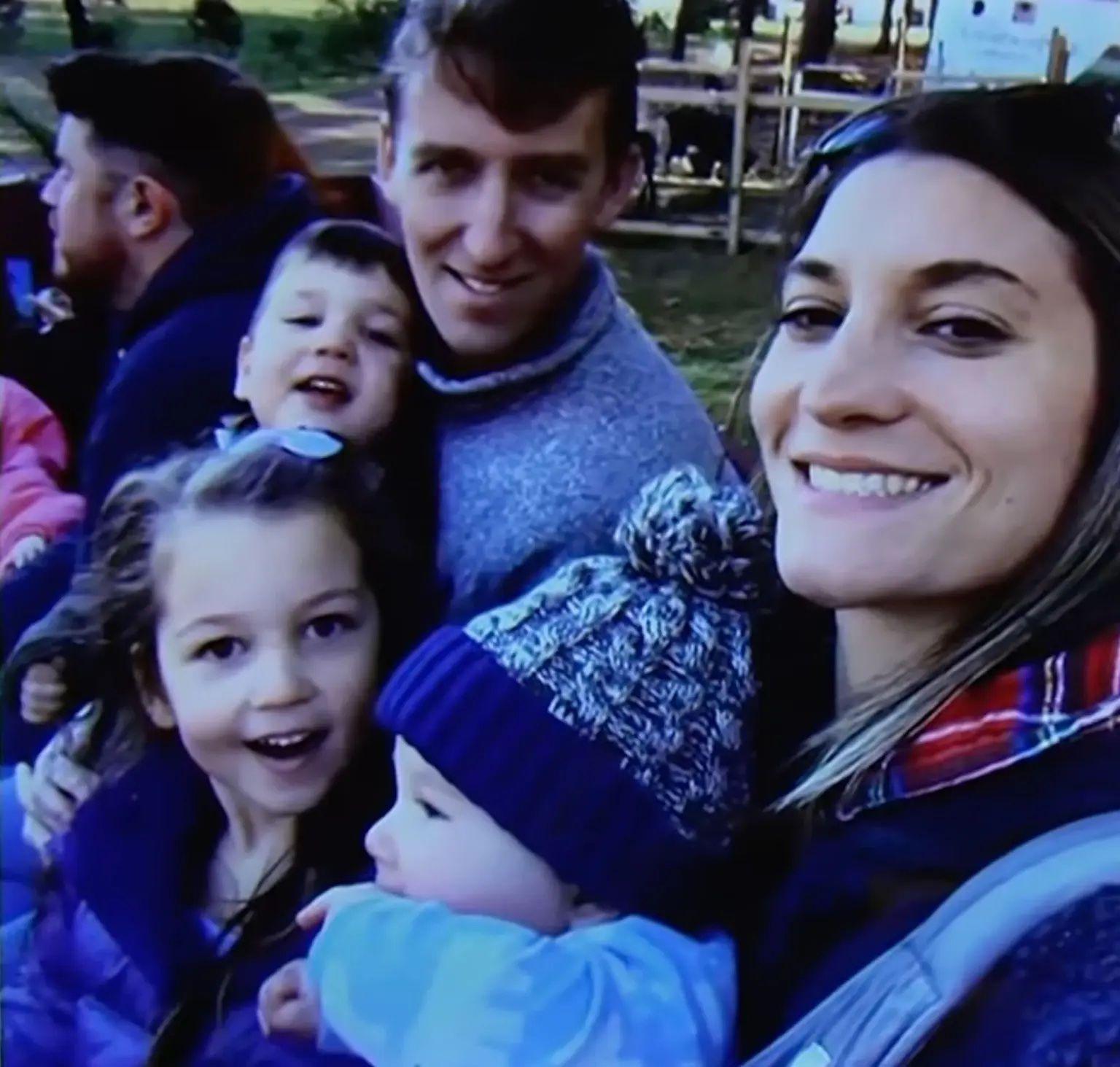
Lindsay Clancy’s Mistrial Raises Question About Infanticide Law in Other Countries
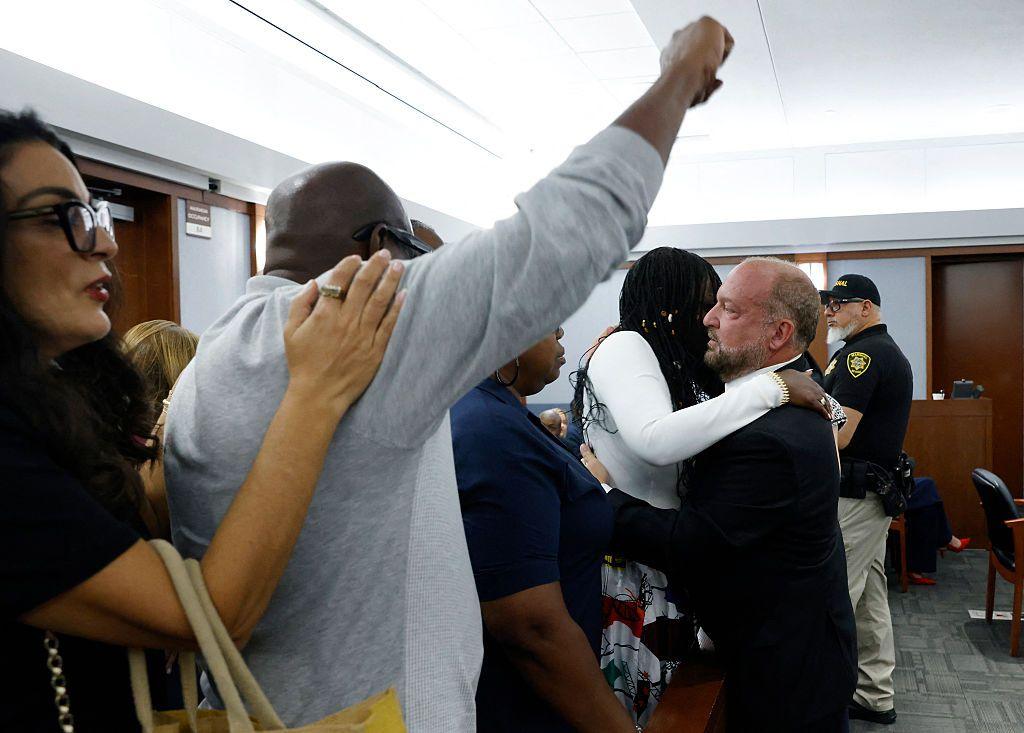
In a drama‑filled courtroom, Lindsay Clancy stood accused of strangling her three children in the early months of 2024. After seven days of fierce arguments and expert testimony, the jury was unable to agree on a verdict, and the case was declared a mistrial as of 8 September 2026. The U.S. prosecution had positioned the crime as murder, a charge that carries the heaviest penalties in American criminal law.
In several other western jurisdictions – including the United Kingdom, Canada, and parts of Australia – there is a distinct legal category known as *infanticide* , a statutory provision that specifically covers the killing of a child under the age of 12 months by a parent who is affected by postpartum disorder or severe mental stress. The law is designed to strike a balance between accountability and recognition that the parent may be suffering a psychiatric crisis. When such a law applies, a conviction is still possible, but the sentence is typically more lenient, often a prison term or a supervised rehabilitation program.
BBC Global Story podcast co‑host Asma Khalid explains how Clancy’s case could have looked different abroad. She emphasizes that the UK's infanticide statute would have been relevant only if the victim had been less than 12 months old – a point that changes the legal narrative entirely. In the UK, the defense would have focused on the mother’s mental state, potentially resulting in a shorter custodial period or even a psychiatric evaluation. In Canada, Royal Canadian Mounted Police guidelines treat infant killers as high‑risk offenders, but the infanticide model also offers a path toward treatment over punishment.
Such comparative frameworks raise several troubling questions. Why does the U.S. lack a formal infanticide statute, and how does that influence sentencing? What safeguards exist in other countries to ensure that a parent’s mental health crisis does not simply drive innocent families to disaster? These questions are not merely technical—they strike at the heart of debates about the criminal justice system’s responsibility to protect children while also treating parents with compassion for the circumstances that may have led to the crime.
The media coverage of Clancy’s trial further underlines the compartmentalized ways different societies frame such rare but painful stories. While American outlets focused on the sheer brutality of the act, British reporters tended to explore the legal nuance of infanticide, noting that a wider range of mental‑health defenses might be available. Both narratives, however, converge on a single point: the complicated intersection of crime, child protection, and parental accountability.
As the legal system begins fresh proceedings, Clancy’s case will test the limits of both the American murder framework and the more accommodating infanticide model. Whether the U.S. will adapt its laws to better protect vulnerable families remains a subject for future policy debates.