Judge Urges Deliberation After Jury Deadlock in Lindsay Clancy Murder Trial
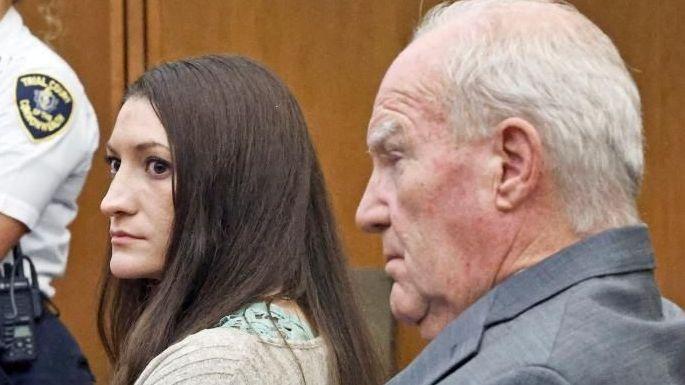
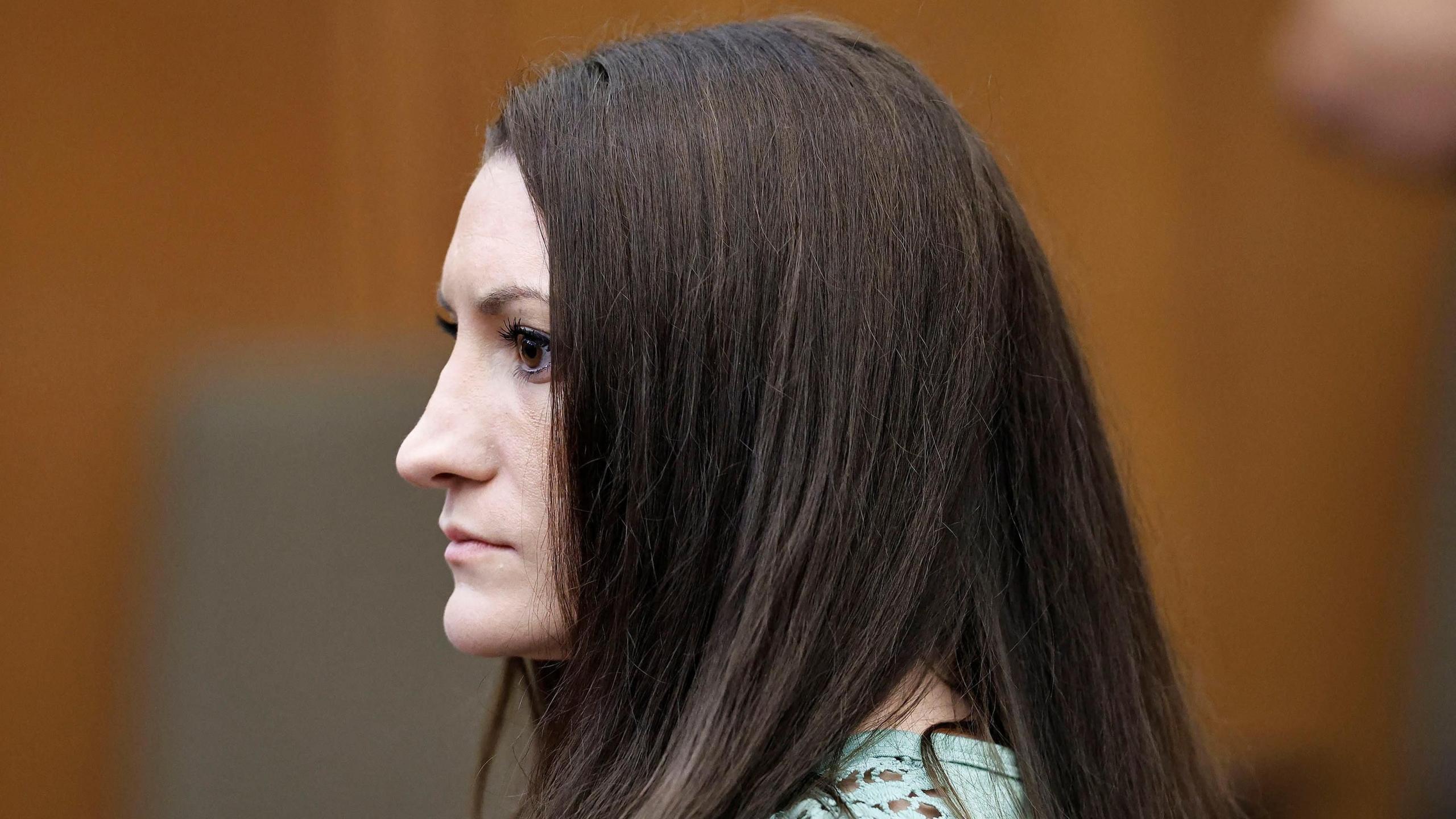
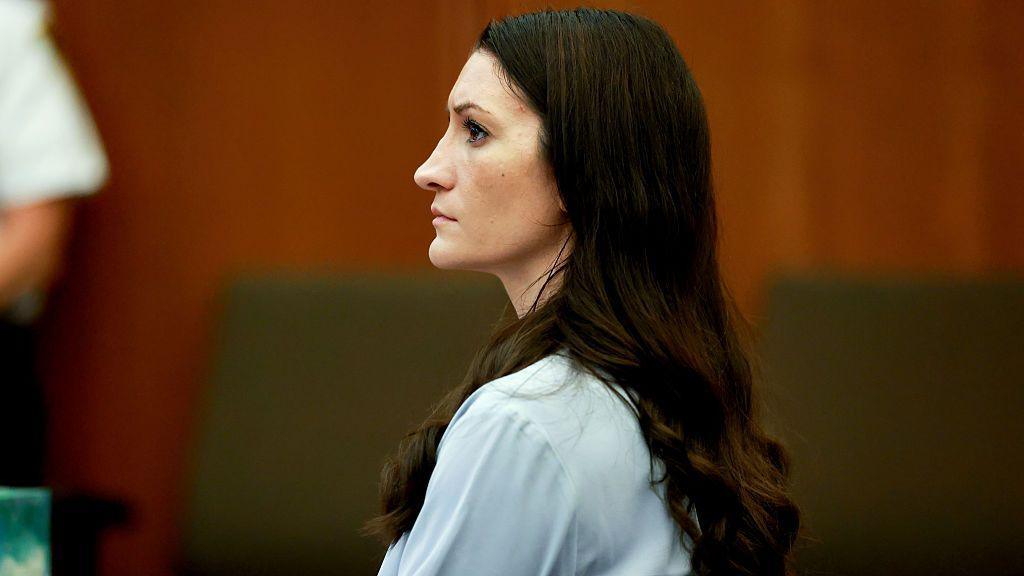
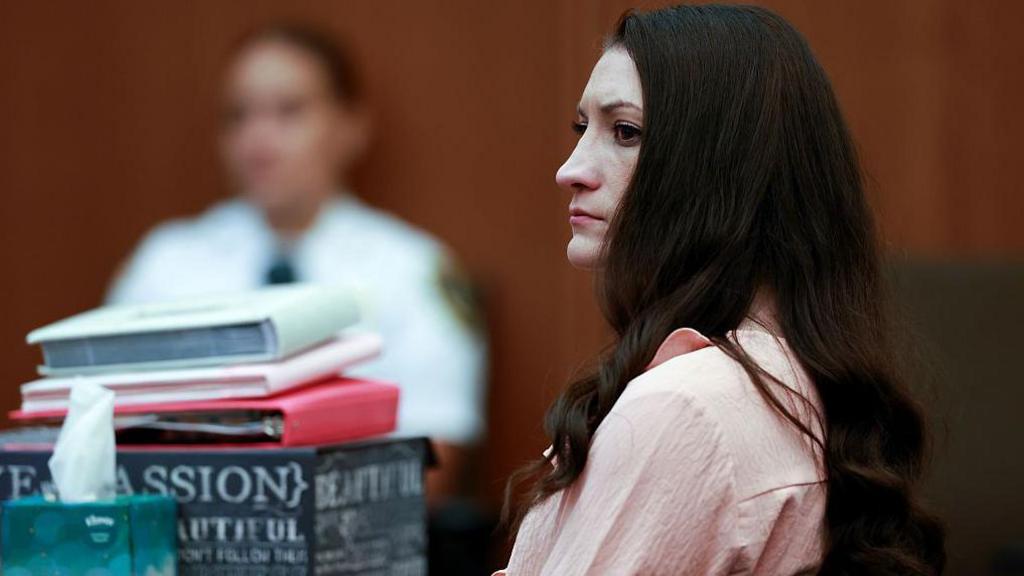
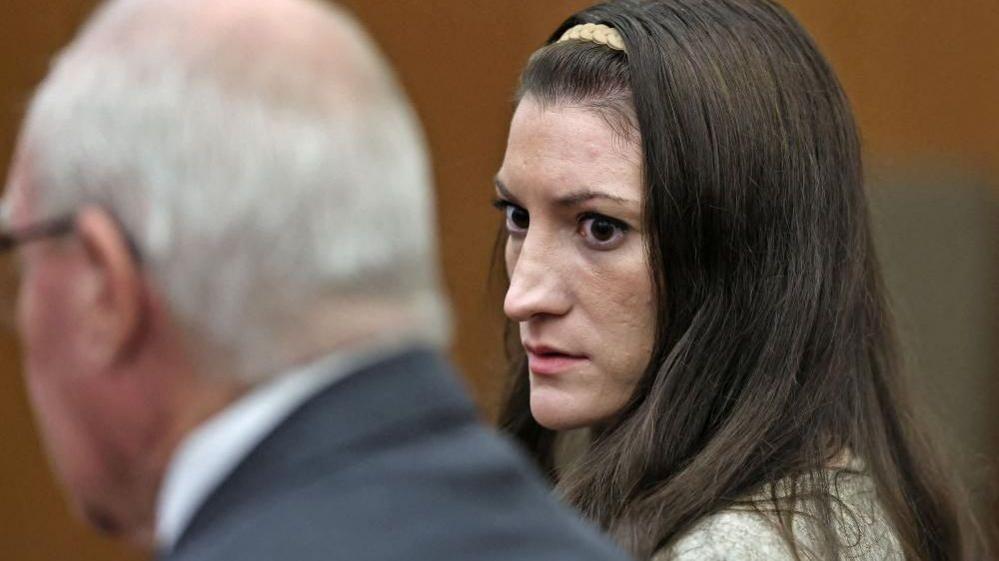
In a Massachusetts courtroom on 1 September 2026, the jury comprising nine women and three men reached a deadlock after three days of deliberations in the case of Lindsay Clancy. The judge, William Sullivan, called on the jurors to revisit their discussion rather than abandon the case, a move that keeps the trial alive but makes an outcome uncertain.
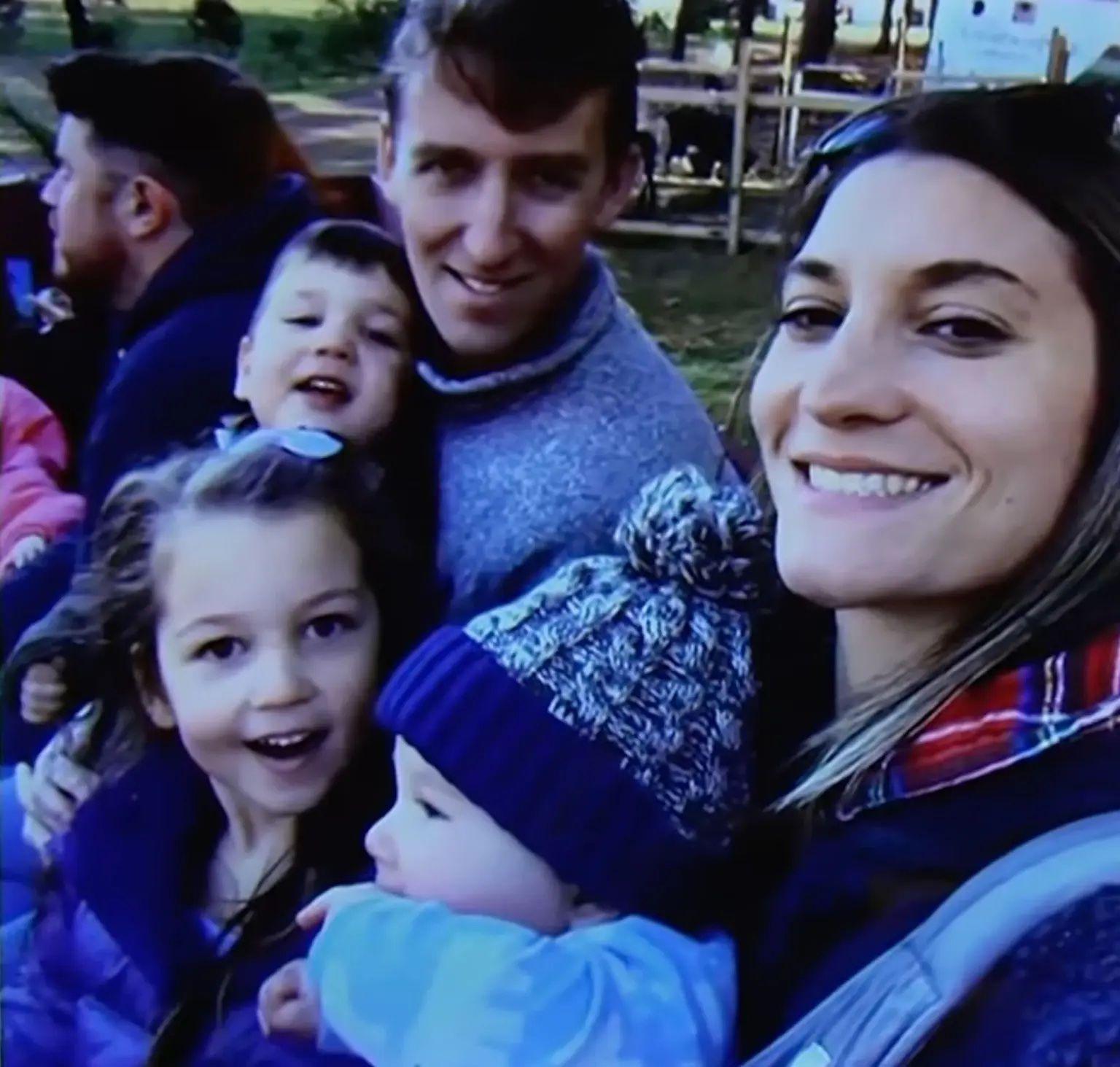
Clancy, 36, was arrested for allegedly strangling her children — Cora, five, Dawson, three, and eight‑month‑old Callan — with fitness bands in their home in January 2023. Her defense argues that she was suffering from postpartum psychosis, a severe mental‑health condition that can arise after childbirth and potentially impair one’s ability to distinguish right from wrong.
The prosecution maintains that Clancy acted intentionally and with pre‑meditation, establishing first‑degree murder charges that carry a mandatory life sentence without the possibility of parole. If convicted on a lesser charge, such as second‑degree murder or manslaughter, she would still face significant prison time.
A plea of not guilty by reason of insanity would remove the prospect of a prison term but could result in lifelong confinement in a psychiatric facility under periodic review. This path underscores the courts’ difficulty in balancing freedom and public safety when mental illness is involved.
Judge Sullivan’s instruction to the jury — often referred to as a “dynamite” or “Tuey‑Rodriguez” charge in Massachusetts legal parlance — is a last‑ditch attempt to coax unanimity. Should the deadlock persist, a mistrial could be declared, risking an automatic new trial that would set the case back to square one.
The case has drawn significant media attention, reflective of society’s grappling with the intersection of mental health and criminal responsibility. As the jury restarts deliberations, all eyes will remain on the courtroom to see whether Clancy will ultimately be found guilty, not guilty, or get a verdict based on her mental‑health status.