US-Iran Peace Negotiations: Diverging Interests and Challenges
When one side, the US, claims there are ongoing, productive negotiations to end hostilities, while Iran flatly denies such talks are happening, the question arises: whom should the world believe? The dynamics behind the scenes indicate a complicated interplay between the two nations, hinting at either a forthcoming peace or a continuation of protracted conflict that may keep global energy prices elevated during the summer.
While messages are being conveyed through intermediaries like Pakistan, these do not equate to formal negotiations. An Iranian military spokesperson has categorically denied any such discussions, complicating the interpretation of the current diplomatic climate. The situation mirrors the stalled peace processes seen in the ongoing Russia-Ukraine war, where both parties express a desire for resolution but are far apart on the terms.
Objectives of the US and Israel
At the beginning of the conflict on 28 February, there was optimism in Washington and Jerusalem regarding the expected efficacy of military superiority in dismantling Iran. However, the anticipated rapid collapse of the Iranian regime has not materialized, and as Iranian fortitude persists, the demands from the US and Israel become increasingly complex.
Reports suggest a proposed US 15-point plan that would curtail Iran's nuclear capabilities, halt its ballistic missile production, and stop the support for regional proxy militias in exchange for sanctions relief and territorial assurances over the Strait of Hormuz.
Iran’s Position
Iran has rebuffed the US's demands, labeling them as excessive. Instead, Iranian officials have outlined a quintet of conditions for a potential resolution, including war reparations, recognition of sovereign rights over the Strait of Hormuz, and guarantees against future attacks. Iran seeks to reclaim its status as a regional power, unencumbered by American military presence, asserting that its survival enhances its negotiating position.
Interests of Gulf Arab States
The Gulf Arab nations, once uneasy partners with Iran, now face disillusionment as they observe the failure of US military actions against Iran, resulting in a more aggressive Iranian posture. The conflict has positioned Iran strategically stronger than before, granting it leverage over critical energy supply routes. The Gulf states yearn for the status quo ante but recognize the deepening geopolitical fissures fueled by escalating demands from Tehran.
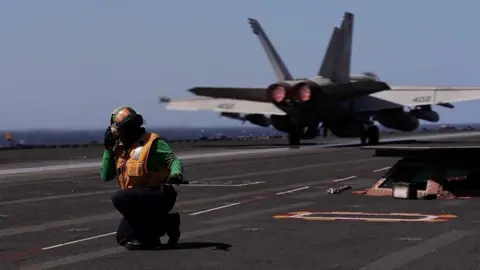
As the situation unfolds and US military presence grows in the region, the geopolitical landscape remains fraught with tension. Iran, emboldened by its sustained existence, is reluctant to capitulate to what it views as unfavorable terms from its adversaries. Negotiations, though ongoing in some form, reveal that the road to peace is fraught with hurdles, mistrust, and diverging goals among the involved parties.