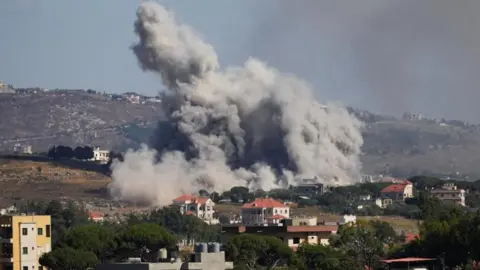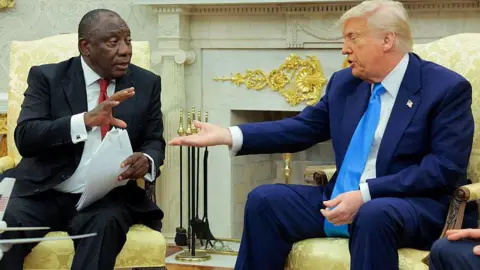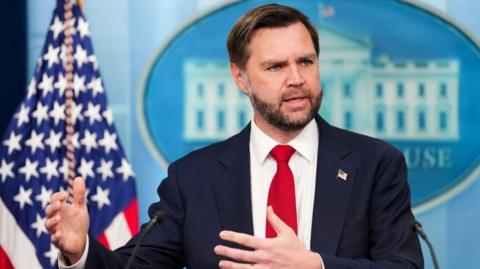
For weeks, the US and Israel have insisted that Iran's military capacity has been severely degraded. US President Donald Trump and his defense secretary, Pete Hegseth, have repeatedly claimed that sustained strikes have crippled Iran's command structure and weakened its ability to respond.
By their account, the conflict should already be moving towards an end. Yet the opposite appears to be happening. The escalation continues faster, sharper, and with fewer clear exit points.
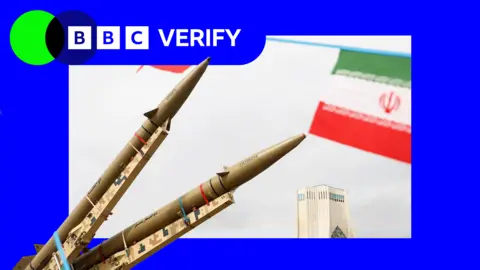
It emerged on Saturday that Iran had launched two missiles towards the US-UK base on Diego Garcia in the Indian Ocean, approximately 3,800 km (2,300 miles) away. The missiles did not reach the island but raised fresh concerns about Iran's military capabilities, previously believed to be limited to a range of about 2,000 km.
Whether this reflects a previously undisclosed capability or one developed under bombardment, the implication is the same: military pressure has not halted Iran's progress.
Uncertainty looms at the very top of Iran's leadership. Mojtaba Khamenei, reportedly surviving the strike that killed his father and several close family members, has since been named as the new leader but remains largely absent from the public eye. His ability to lead is under scrutiny, creating uncertainty at the center of power.
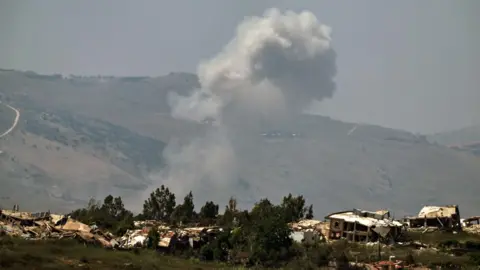
Additionally, Iranian actions suggest anything but collapse. On Saturday, Iran struck the town of Dimona in Israel's Negev desert, linked to the country's undeclared nuclear program, following Israeli strikes on Iran's energy infrastructure. This signals that key sites are now vulnerable, with retaliation expected.
US and Israel's assumptions that the removal of top leadership would lead to paralysis are being challenged. The idea of 'shock and awe' might not yield the intended rapid decision-making collapse. If leadership structures are more resilient than anticipated, a looming question remains: who is left to negotiate with?
Iranian President Masoud Pezeshkian has maintained a low profile, narrowing diplomatic avenues. His apologies to neighboring countries affected by Iranian strikes reportedly angered elements within the IRGC.
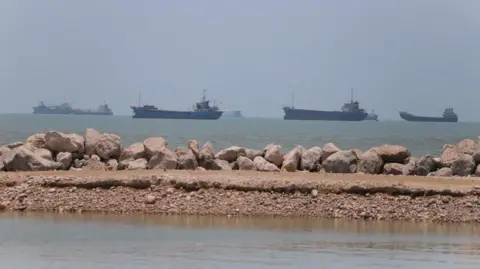
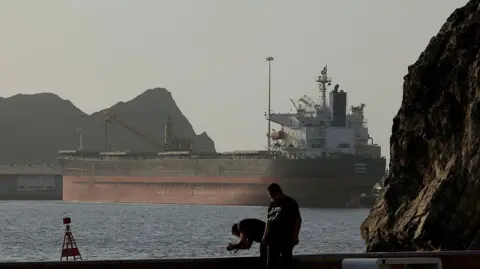
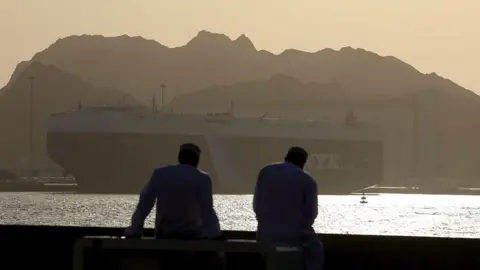
Escalating actions from both sides raise the stakes. As Trump issued an ultimatum demanding Iran to reopen the Strait of Hormuz, Iran responded with threats of retaliation, escalating the risks ahead.
The landscape is complex: Iran is already facing economic pressures and unrest, and while the conflict provides political leverage, it also risks miscalculation that could have severe consequences. Both sides must navigate limited options carefully, risking a cycle of destruction.