The escalation of the Iran war has already rattled India's liquefied petroleum gas (LPG) market, and now another critical energy supply is under scrutiny: the nation's expanding network of piped natural gas (PNG).
India's demand for natural gas is fuelled by various sectors including fertiliser plants, industries, and electricity generation. The network supplying PNG to households and Compressed Natural Gas (CNG) to vehicles has been rapidly expanding, with more than 15 million PNG connections established as households shift from traditional cooking methods to piped gas.
Although the conflict raises fears of strained gas supplies in urban homes, immediate shortages are unlikely. India’s piped gas supply consists of a mix of domestic production and LNG imports, with approximately half sourced domestically from companies such as ONGC and Reliance.
Rahul Chopra, managing director of Haryana City Gas Distribution, reassures that no disruption is anticipated for homes and vehicles reliant on piped gas, as the government prioritizes these sectors. However, industrial customers are facing a 20% cut in supply as resources are redirected to households and vehicles.
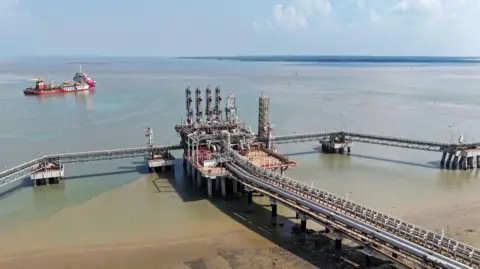
The international gas market is also susceptible to sudden price hikes due to geopolitical tensions, particularly as India's LNG supplies heavily depend on imports. Roughly half of India's LNG capacity comes from Qatar, with shipments currently maneuvering through the strategically vital Strait of Hormuz. Reports indicate that exports from Qatar's major LNG complex have stopped since early March, emphasizing the vulnerability of India's gas supply amidst ongoing conflict.
While the immediate flow of gas has not been completely halted, future disruptions could evoke price increases for consumers. Current stocks are modest, existing primarily within regasification terminals around India, capable of meeting demands for only one to two weeks of imports depending on logistics.
The overall sentiment indicates that while households may not face dire shortages in the short term, increased prices—and an adjustment in energy consumption patterns—are likely outcomes as the government balances priorities between domestic needs and market stability.