In brief
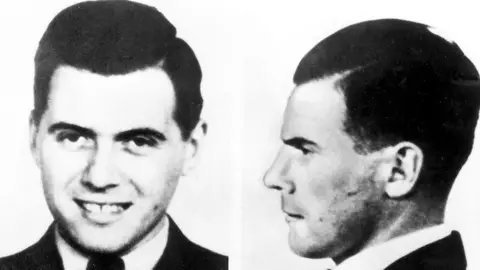
The Swiss Federal Intelligence Service has announced that it will open previously sealed files concerning Josef Mengele, the notorious Nazi doctor known for his inhumane experiments at Auschwitz. Despite an international arrest warrant issued after World War II, rumors have long circulated about Mengele's potential presence in Switzerland, especially during the 1950s. While historians have long sought access to these files, concerns over redaction and national security remain, leaving the public awaiting tangible insights into one of history's most infamous figures.
The Swiss Federal Intelligence Service has announced its decision to finally open long-sealed files related to Josef Mengele, the infamous Nazi war criminal responsible for orchestrating horrific experiments at Auschwitz. However, the timeline for their public release remains unspecified.
Mengele, known as the 'Angel of Death,' infamously selected prisoners, particularly children and twins, for grotesque medical experiments before condemning many to death in gas chambers. Following World War II, he fled Europe despite an international arrest warrant, leading to widespread speculation about his whereabouts, with longstanding rumors suggesting he might have spent time in Switzerland.
For decades, historians have been keen to access the files to understand Mengele's connections and any potential safe havens he may have received. Until now, Swiss authorities have denied access and kept these files sealed.
After the war, Mengele enlisted the help of false identities, obtaining Red Cross travel documents issued from the Swiss consulate in Genoa, Italy, which enabled him to escape to South America. This hasty departure highlights the concerns surrounding his escape routes and the ways in which Nazi officials evaded justice.
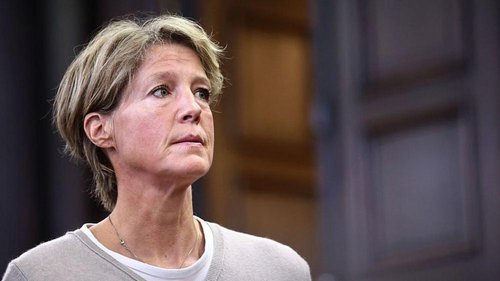
Several historians, including Regula Bochsler, have expressed skepticism about the limited information these documents might reveal. She recalls that in 1961, Mengele's wife attempted to settle in Zurich, raising questions about his potential return to Switzerland, particularly after an international warrant for his arrest was issued in 1959.
Despite the Swiss government's pledge to eventually release the files, apprehensions regarding the extent of accessibility have emerged. Historians fear that what they may receive could be heavily redacted or not address critical aspects of Mengele's life and activities in Switzerland.
Sacha Zala, president of the Swiss Society for History, theorizes that the sensitivity of these files might arise from connections to foreign intelligence, while other historians argue that the prolonged secrecy reflects more on Switzerland's past than on Mengele himself.
Mengele's evasion of capture and his enduring legacy of horror serve as grim reminders of the unresolved narratives surrounding WWII-era war criminals. As the Swiss authorities take steps toward transparency, the lingering question remains: What will these files ultimately reveal about one of history’s most notorious figures?