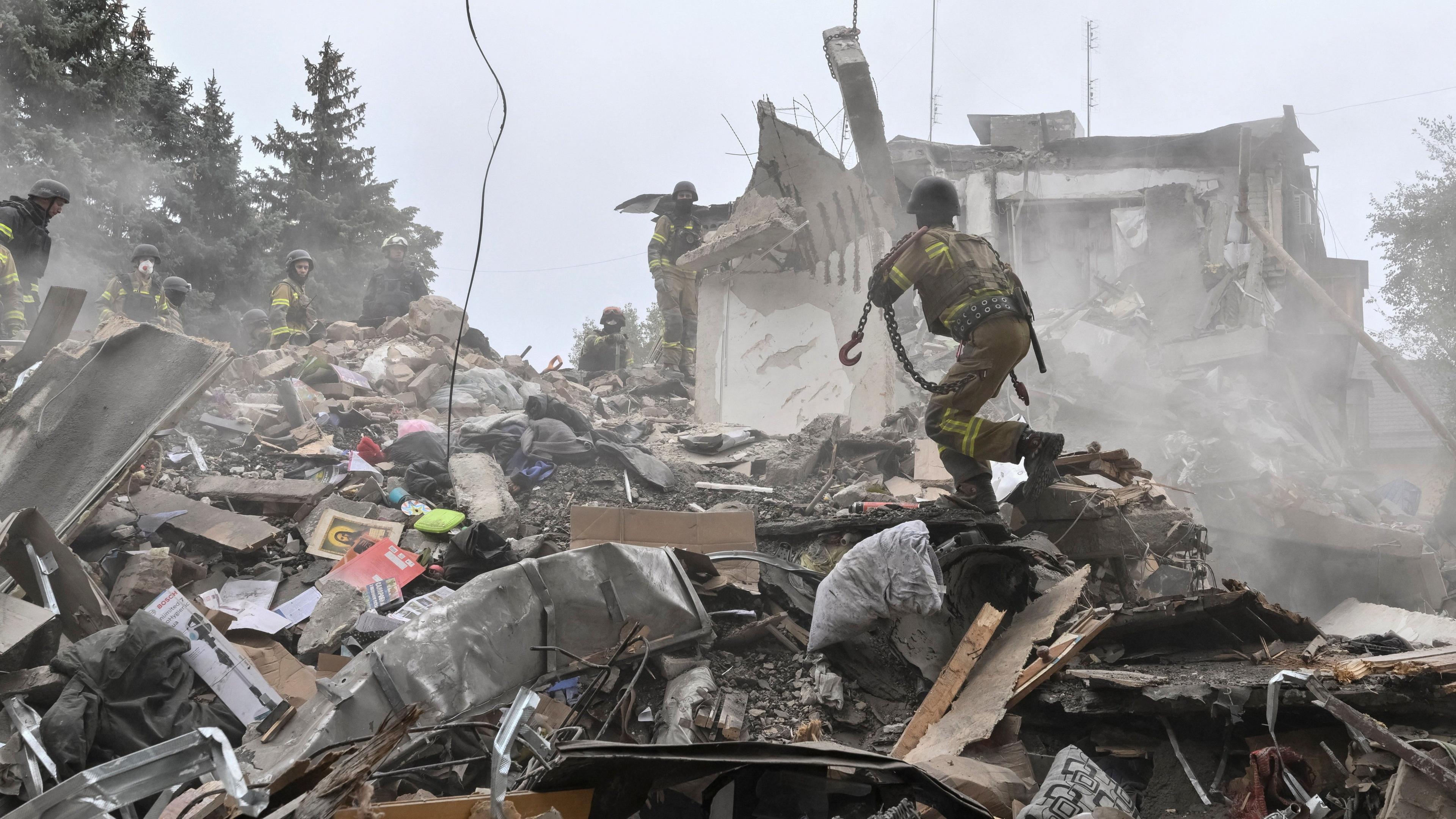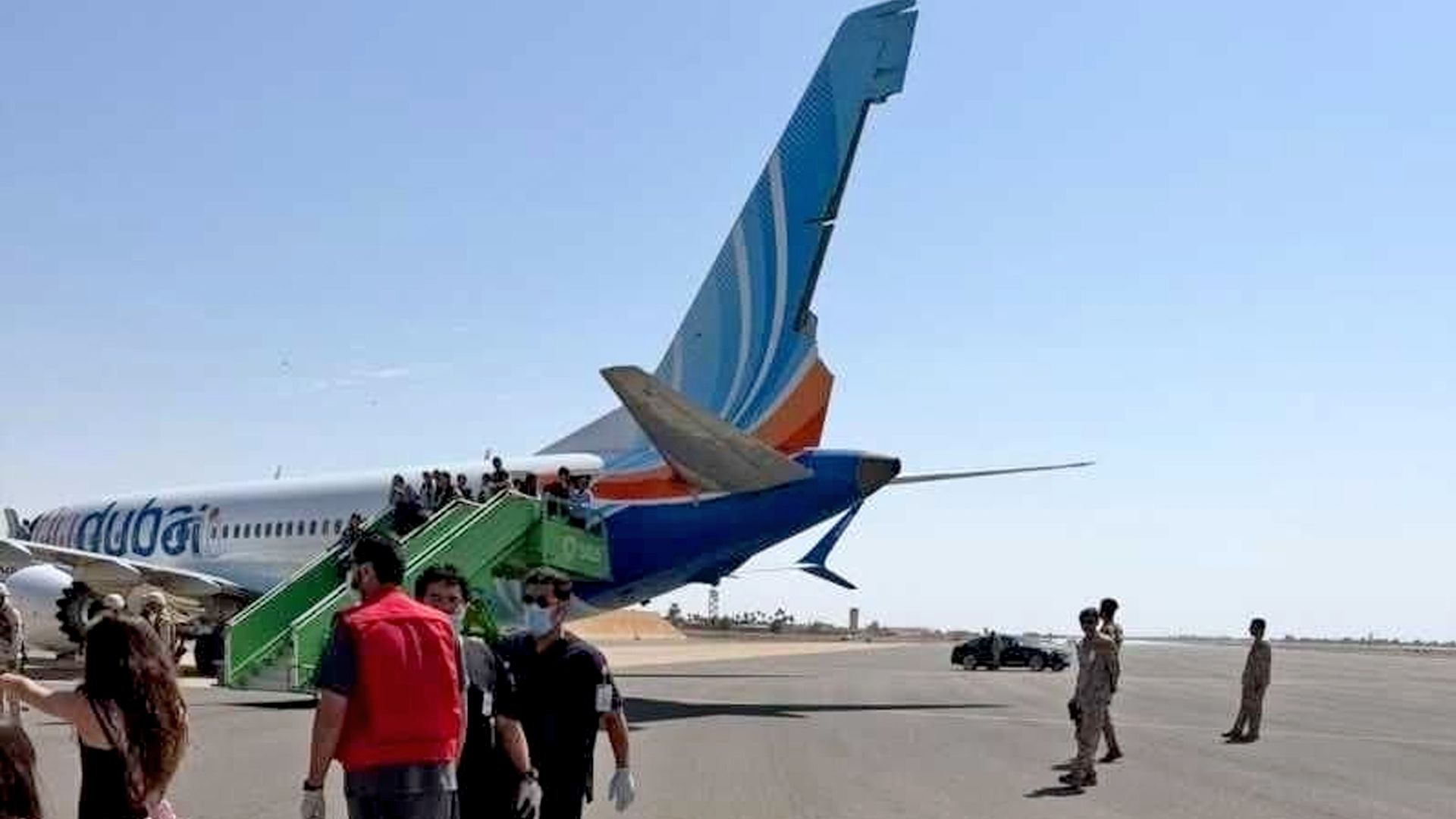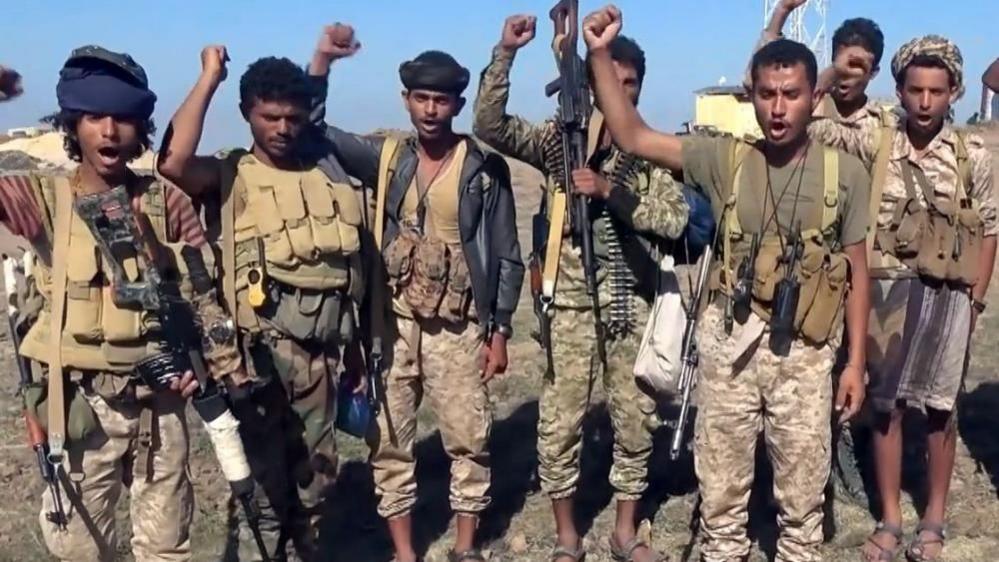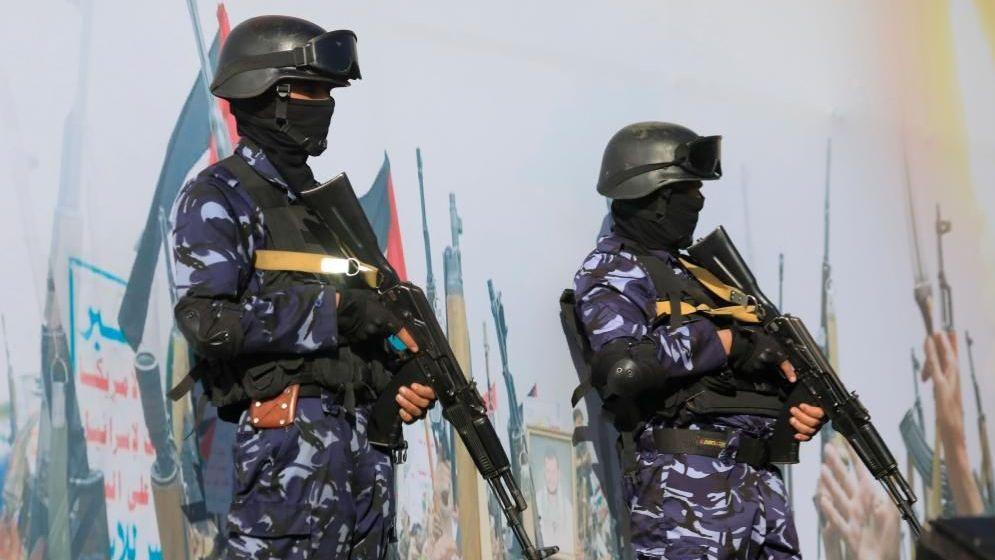
Riyadh’s King Khalid Airport was struck by a sophisticated drone attack on Saturday, a sharp escalation in the ongoing Yemen war that has sidelined the region for years. The attack, believed to come from Houthi forces in Yemen, demonstrates a new strategic shift: rather than the conventional ground or fire‑based strikes that Saudi Arabia has carried out against Houthi bases, the militants are now targeting the Kingdom’s economic heart and critical infrastructure.
The Houthis, whose allegiance lies with Iran, have long used the Red Sea and the Bab al‑Mandeb Strait as leverage points. By hitting an airport – a symbol of national stability and international connectivity – they hope to increase pressure on Saudi air defence capabilities and signal that the war’s reach is broader than a single battlefront.
Saudi air forces, known for their advanced capabilities, have repeatedly inflicted heavy losses on Houthi positions in the north and west. Yet the drone strike seems to have breached these systems, raising serious questions about Saudi readiness and the effectiveness of its security posture. The Kingdom’s ability to maintain a sense of calm for its citizens and international investors is now visibly shaken.
Beyond the immediate tactical implications, the attack carries wider geopolitical consequences. With the Strait of Hormuz still throttled by the ongoing Iran‑U.S. standoff, any renewed conflict on the Red Sea could bottleneck global shipping lines, pushing energy prices skyward and destabilizing supply chains. Analysts warn that shipping lanes have already seen increasing hostility, and an intensified Houthi campaign could set off a chain of events that draws external powers into the conflict.
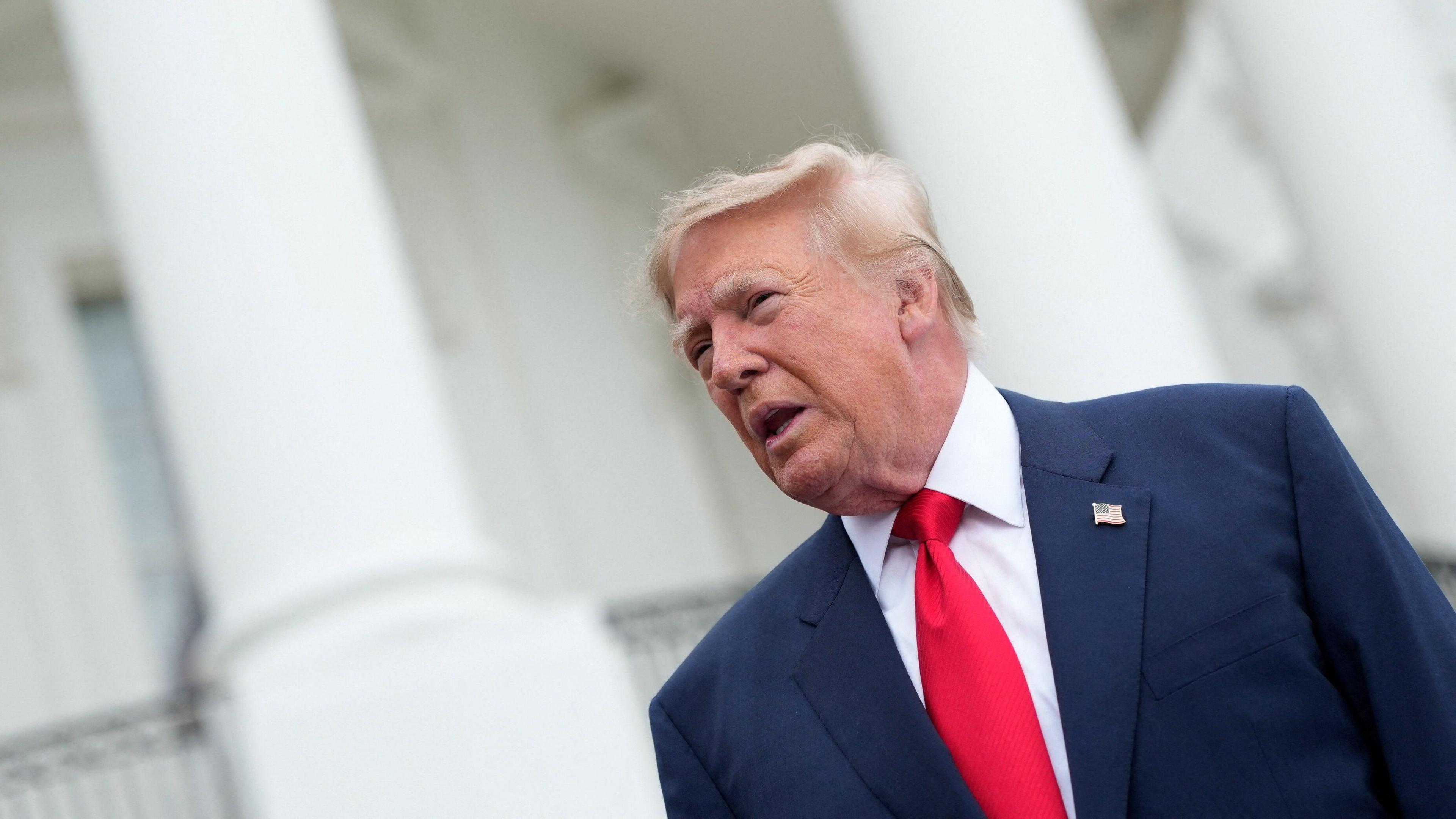
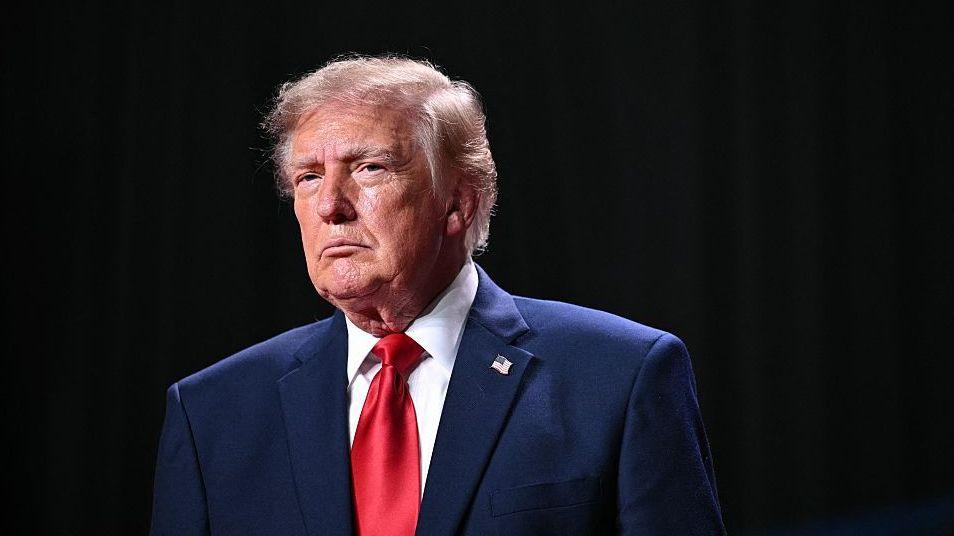
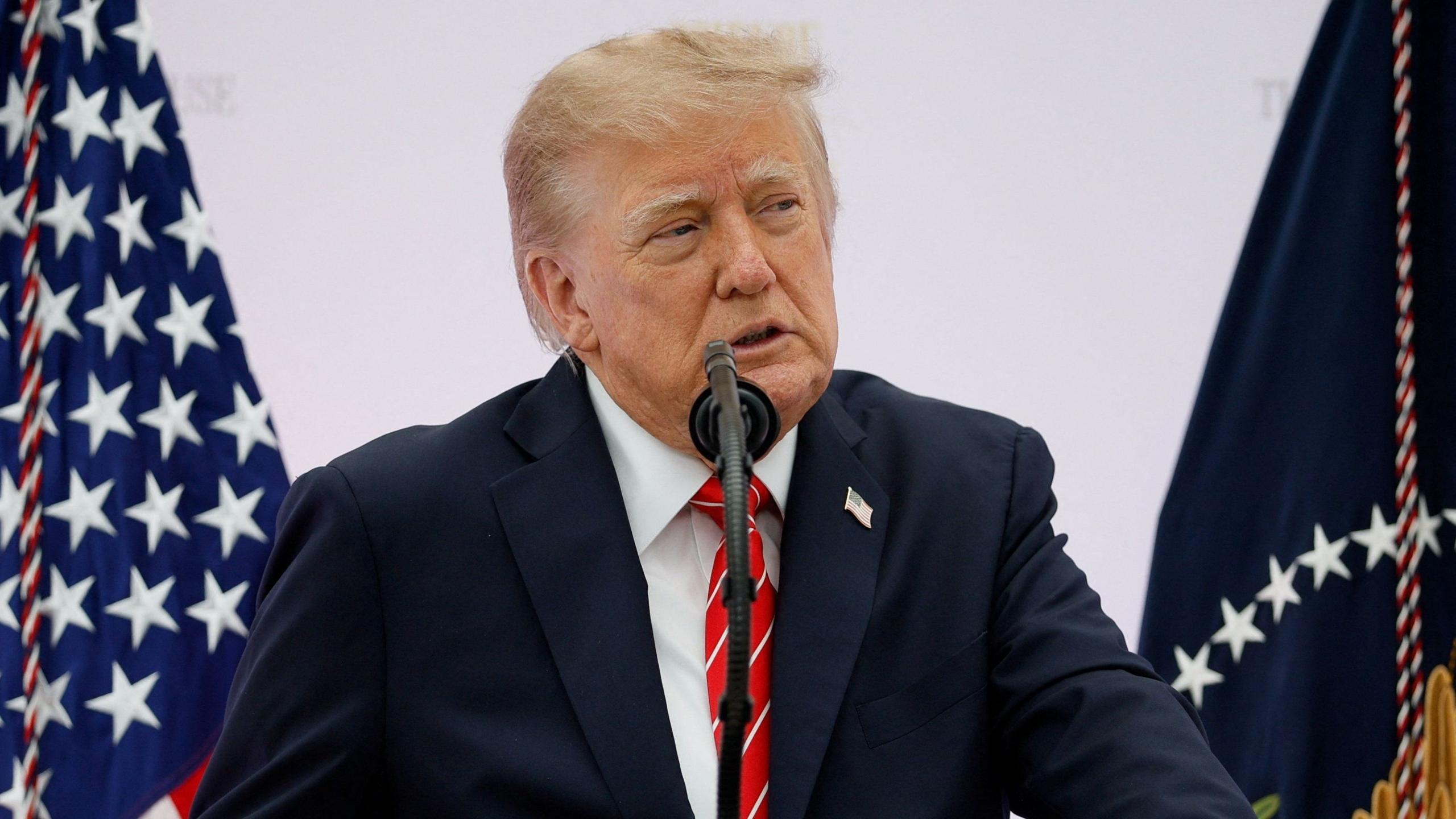
The incident also carries human repercussions. A U.S. citizen was killed, and the attack heightens pressure on Washington to take an active role. President Trump has threatened swift military support – a stance that, amid upcoming U.S. midterm elections, may prove controversial. The nation is already embroiled in three ongoing Middle East conflicts – in Gaza, Lebanon and Iran – and any further engagement in Yemen might prove politically costly.
In a broader framing, the Houthi attack underscores the fragility of long‑term peace in the Middle East. Though Yemen’s internationally recognised government enjoys Saudi support, the insurgency’s reach and the backing of Tehran render the struggle an extended proxy war. The delicate balance of power, the contested airspace around Saudi Arabia, and the global economic stakes now converge to place the region at a crossroads that could unfold into a larger global crisis.