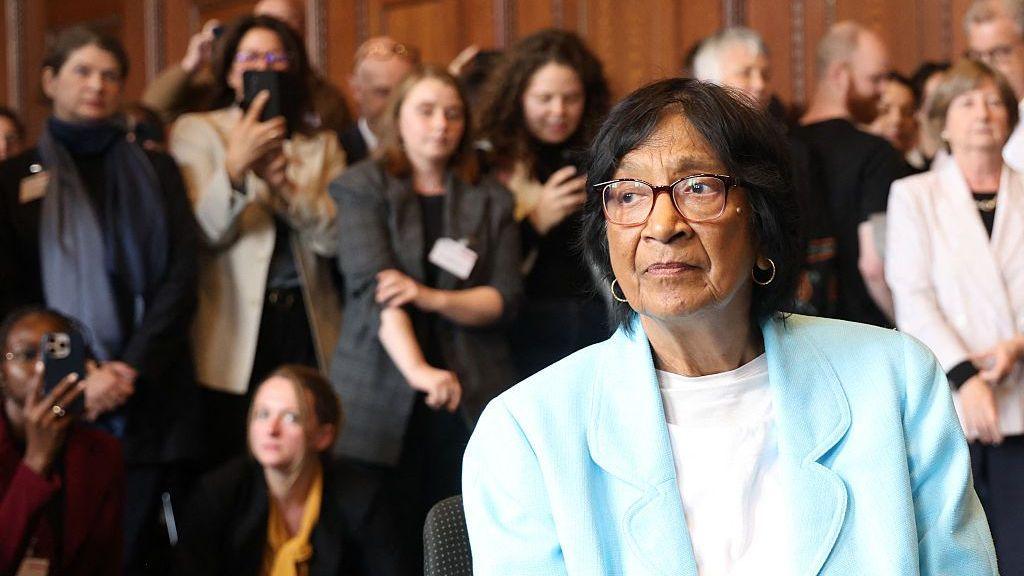
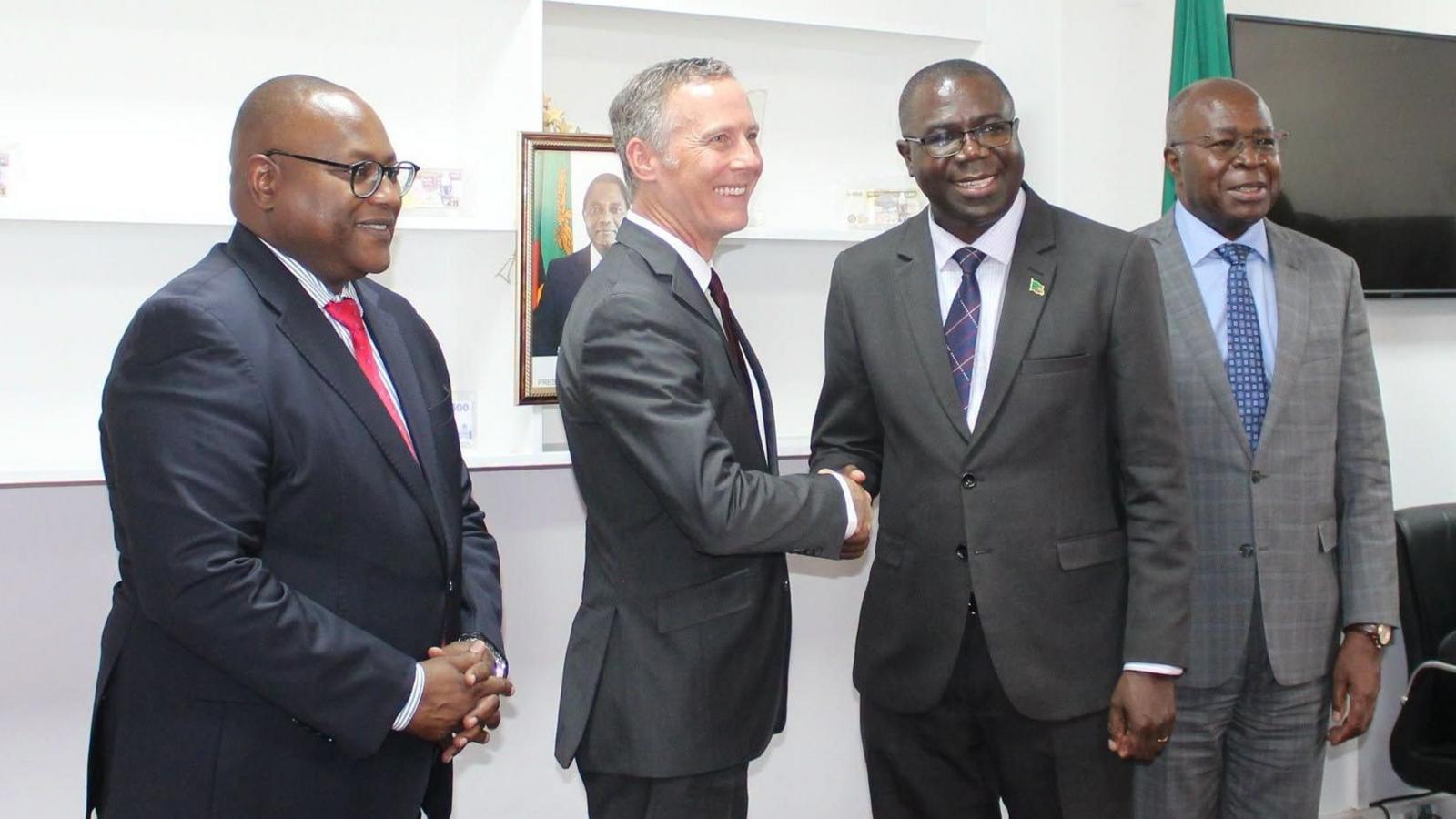
On 30 October, South African former International Criminal Court (ICC) judge Navi Pillay received the 2026 Nobel Peace Prize for her relentless promotion of peace and international law. The honour, however, sparked a diplomatic flare‑up when the United States announced sweeping sanctions aimed at the ICC, a move described by Pillay as “unheard‑of” and “unacceptable”.
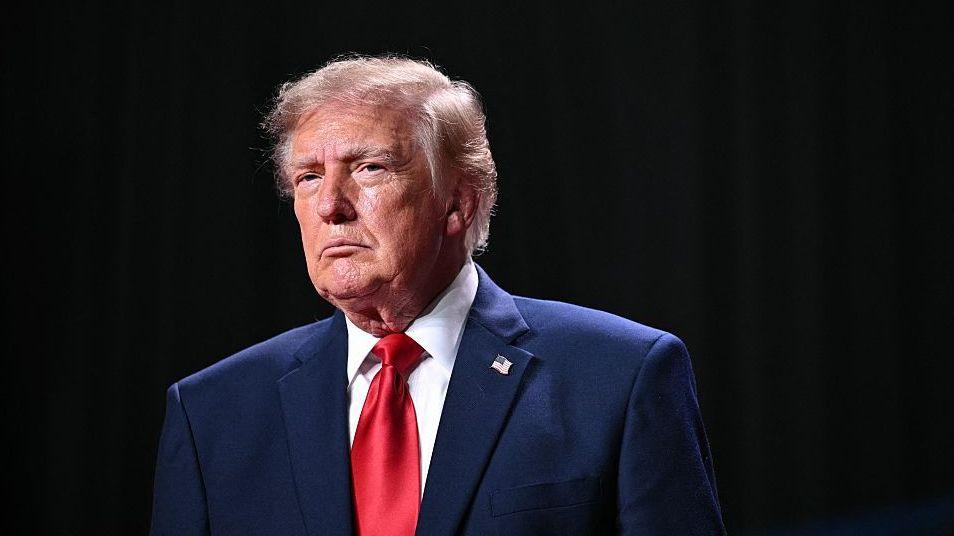
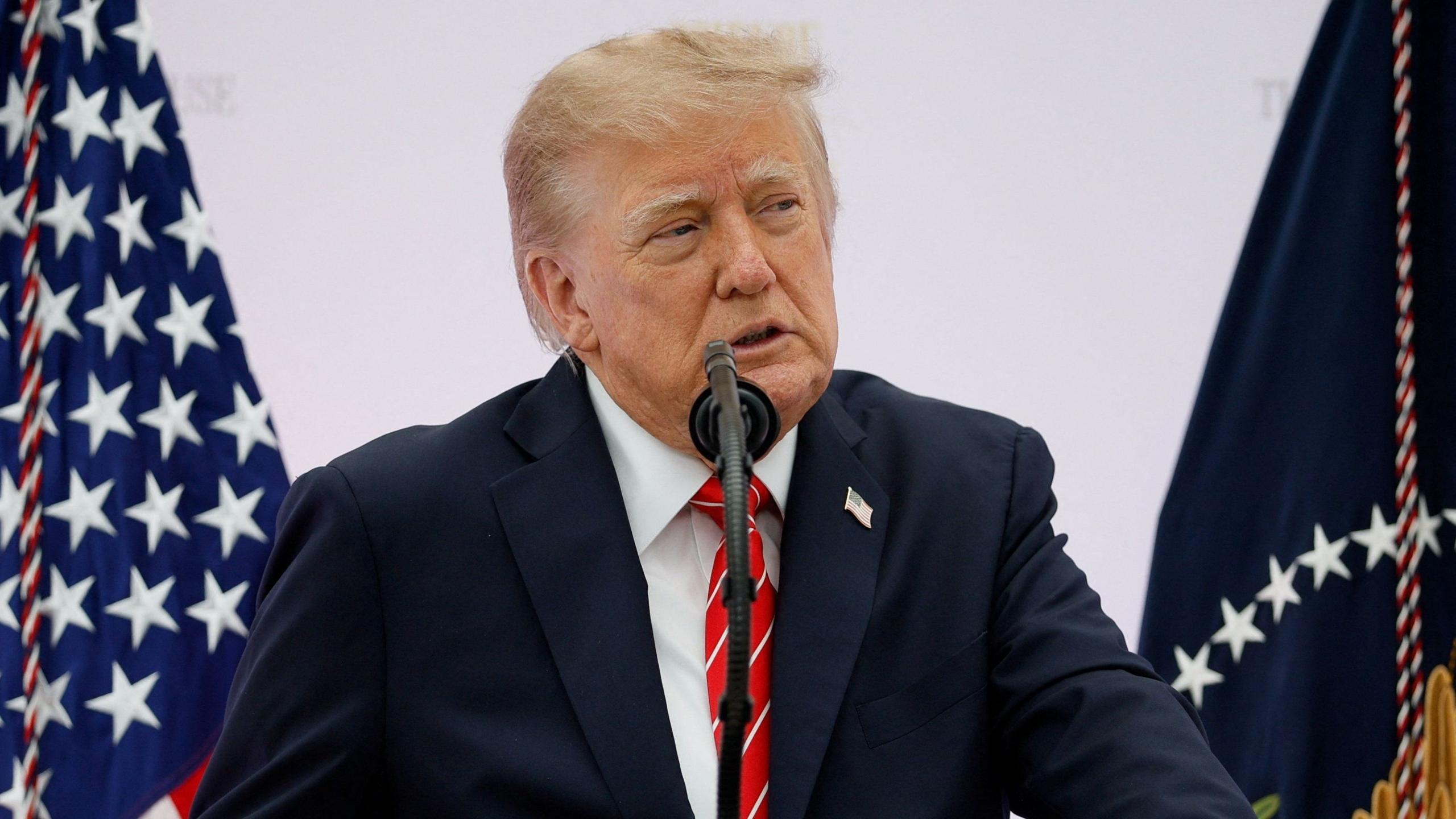
President Donald Trump, who had just criticised the choice of Pillay as a laureate, quickly followed a short article release with a comprehensive sanctions package. Washington’s measure bars U.S. entities from financial transactions with the ICC and its officials, under the justification that the court threatens American sovereignty with its alleged prosecutions of U.S. nationals.
The ICC condemned the sanctions as an assault on the rule of law. In a statement, the court said it had been “under a threat of existential repudiation” and that the new measures had questioned its ability to function. The United Nations, led by Secretary‑General Antonio Guterres, called the U.S. decision a “serious blow” to the international criminal justice system.
The sanctions also hail a backdrop of prior tension. Washington had previously sanctioned 17 ICC judges and officials, and the new package was meant to tighten control over the institution. However, a six‑month grace period has been introduced, allowing ICC member states to continue funding its operations while renegotiating the U.S.’s concerns.
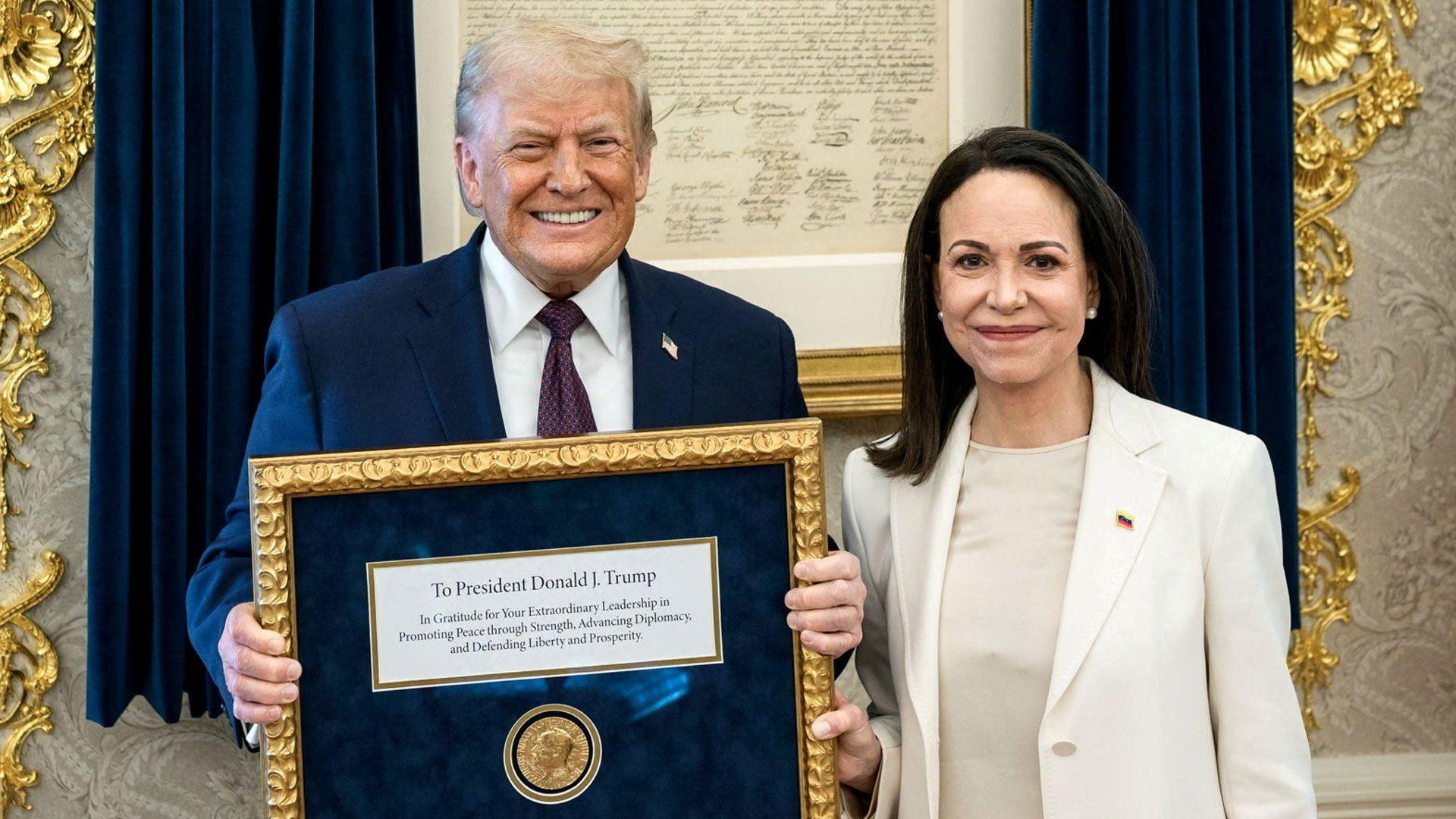
Pillay, who was 85 and formerly UN human‑rights chief, joked after the award that she might share it with Trump if she received a few more claps, a comment that reverberated across social media. Trump’s reaction was already inflammatory, branding the choice for the prize as “disgraceful”, “embarrassing” and an “indelible stain on Norway”. His letter of criticism added another layer to an already tense situation as both a world prize winner and global politics converged.
In the wake of the sanctions, several European countries — the UK, Canada, Denmark, Germany, France, Italy, Japan and the Netherlands — issued statements expressing regret and disagreement with Washington’s actions, underscoring the widespread concern that the U.S. move threatens the global legal order Pillay and the ICC have worked to strengthen for decades.