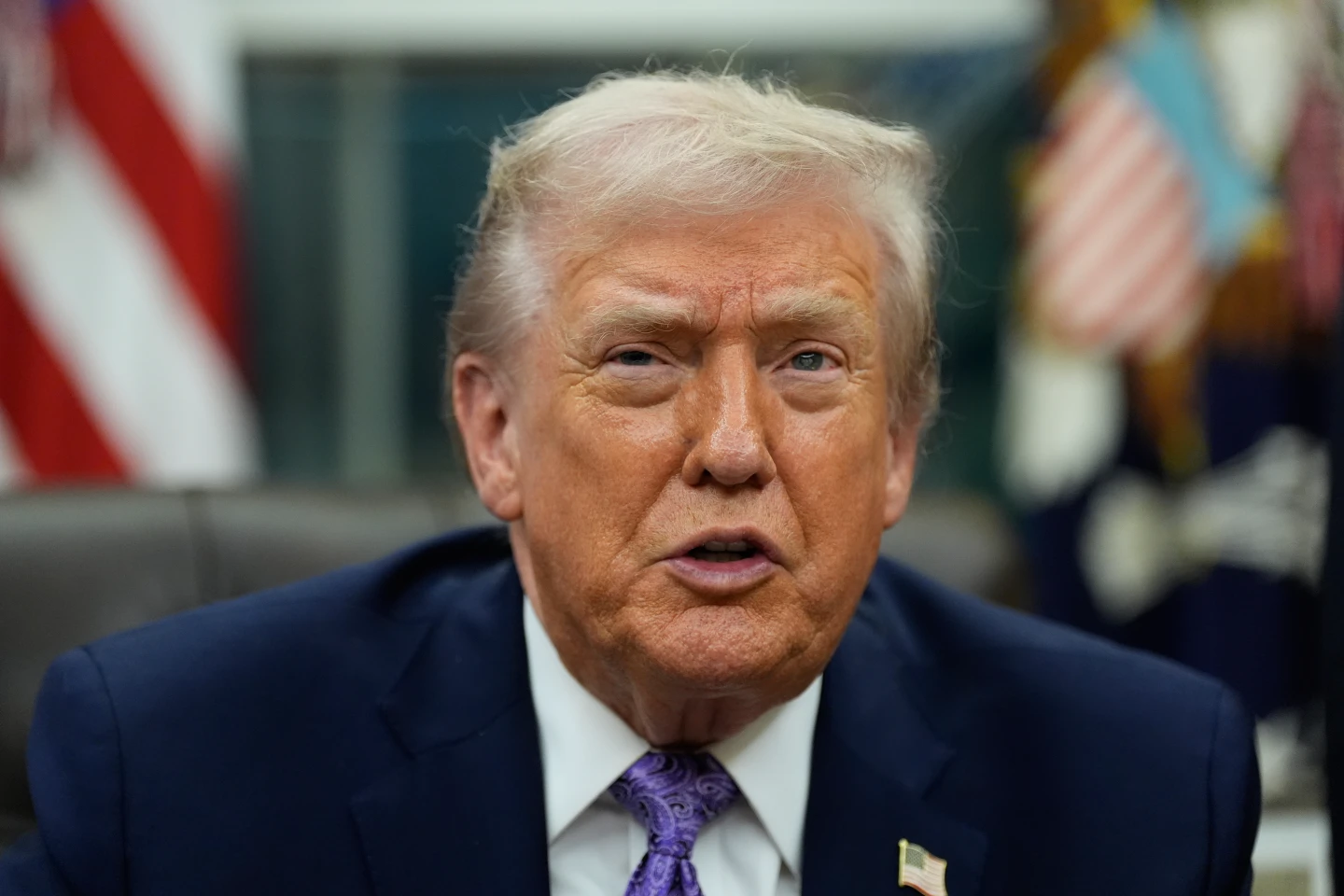
WASHINGTON (AP) — In a surprising turn of events, Republican lawmakers are expressing growing concern over President Trump's provocative remarks regarding the acquisition of Greenland. This pushback has led some within the party to openly question the president's approach, signaling one of the most pronounced divisions among Republicans since he took office.
The apprehension surrounding Trump’s statements escalated as he reiterated his belief in taking control of Greenland, raising alarms not only in Congress but also amongst NATO allies.
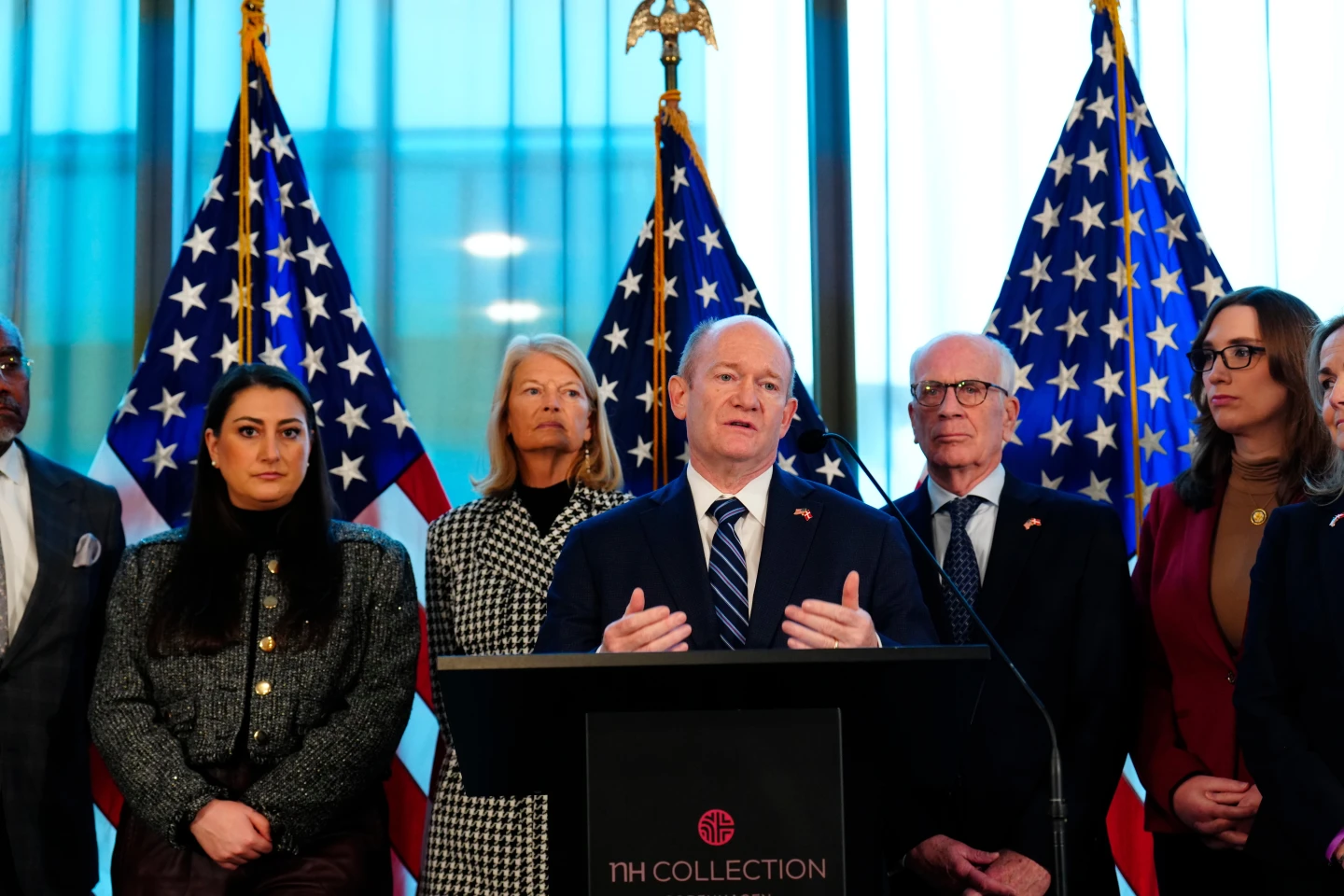
Highlighted by floor speeches emphasizing NATO’s importance, several Republican representatives have called for preventative measures against any military actions towards Denmark. A recent bipartisan trip to Copenhagen saw Democratic Senator Chris Coons joining forces with Republican Senators Thom Tillis and Lisa Murkowski, aiming to stabilize relations and discuss mutual defense agreements.
“When threats arise from the most powerful military nation on earth, it is imperative to take them seriously,” Sen. Coons conveyed following their diplomatic visit.
Despite their efforts, concerns linger over Trump’s disregard for NATO and growing isolationist policies. Even within the Republican Party, discontent has surfaced regarding Trump’s proposals, which many fear could jeopardize longstanding alliances. For instance, Tillis criticized Trump’s intentions, branding them detrimental to American interests and harmful to allies.
This scrutiny intensified following Trump’s announcement of a 10% import tax on goods from eight European countries reacting against his Greenland ambitions.
In a remarkable response, lawmakers from both sides of the aisle are now considering legislation aimed at ensuring military actions cannot take place against NATO allies without their explicit consent. This comes alongside worry that forceful tactics could severely disrupt the established global order and damage America's reputation.
Lawmakers, such as Murkowski, are pursuing measures to protect NATO from unilateral actions that could lead to conflict. This bipartisan approach indicates a willingness to cooperate on military strategies while safeguarding international relationships.
Amidst these discussions, a broader unease about Trump’s foreign policy continues to reverberate, with many urging a balanced strategy that can uphold American interests without alienating allies.
The situation remains dynamic, and with midterm elections on the horizon, how Republicans navigate this controversy may play a significant role in shaping the party's future positioning.