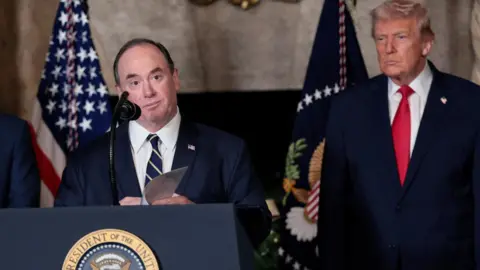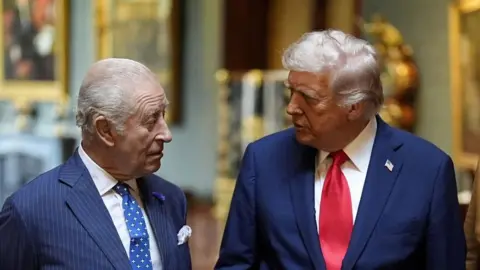
The White House has announced the first members of its Gaza 'Board of Peace,' but criticism is mounting that the initiative resembles a colonial approach, imposing solutions without Palestinian input.
Currently, there are numerous unknowns about the structure and additional potential appointments to the board. Notably absent from the two introduced senior boards are any Palestinian representatives.
The 'founding Executive Board' is designed with a focus on investment and diplomacy, while a separate 'Gaza Executive Board' will manage on-the-ground operations under the National Committee for the Administration of Gaza (NCAG), led by Dr. Ali Shaath, a civil engineer with a history in the Palestinian Authority.
This 'founding Executive Board' comprises six Americans, including US Secretary of State Marco Rubio and Trump’s son-in-law Jared Kushner, raising concerns over the board's credibility and intention.
Ajay Banga, president of the World Bank, is an exception among members as an Indian-born US citizen, while Sir Tony Blair’s role has ignited debates due to his controversial past in the Middle East.
Comprising past political figures from Turkey, Qatar, and the UAE, the Gaza Executive Board aims to address local governance issues, but its effectiveness remains to be seen amid criticisms and calls for a Palestinian-inclusive approach to peace.
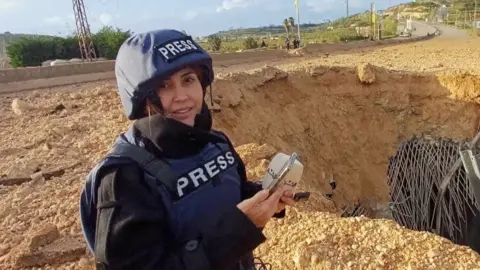
Despite promises of governance and stability, the challenges are immense: the UN estimates that up to 80% of Gaza’s buildings are damaged or demolished, and a humanitarian crisis unfolds as survivors endure harsh winter conditions without adequate shelter and supplies.
The international community is paying close attention, as the overall effectiveness of the Board of Peace—and President Trump's leadership—will heavily influence peace prospects. With major challenges ahead, the journey towards reconciling differences between Israel and Hamas, and fulfilling humanitarian needs, poses a complex and formidable task.