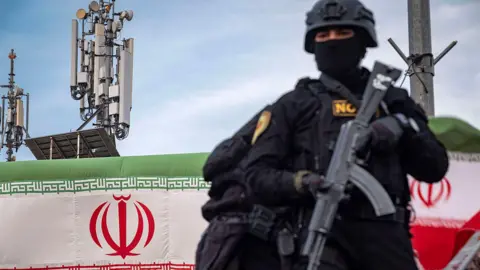
Iran is currently enduring one of the most extreme internet shutdowns in its history, affecting 92 million citizens. This total blackout began on January 8 as a means to stifle dissent and prevent communication amongst protesters, leaving many reliant on alternative means such as satellites for any connectivity.
The Iranian Foreign Minister has suggested the shutdown is in response to allegedly 'externally directed terrorist operations.' However, there’s a growing indication from various sources that the state may be planning to restrict access to the international internet permanently.
Government spokesperson Fatemeh Mohajerani hinted to the press that there would be no return to unrestricted international web access until at least late March, coinciding with the Iranian New Year.
Observers from FilterWatch report evidence that officials are implementing measures to effectively cement a digital isolation policy. They suggest that international access may not only be restricted but will also require a registration and vetting process, mirroring systems in authoritarian regimes such as those seen in Russia and China.
The current blackout has significantly impacted everyday life in Iran, disrupting ecommerce and essential communications. With over 3,300 confirmed protester deaths reported since the unrest begun, the full extent of the government's crackdown remains difficult to assess amid the lack of internet access. Activists emphasize the importance of restoring communication channels to prevent the government from further violating human rights without accountability.
As reports suggest that plans for a comprehensive control system akin to China's Great Firewall could be in the works, the implications for Iran's citizens remain dire, with many forced into a 'communication black hole' that hinders visibility of internal affairs, supplier negotiations, and basic social interactions.
Experts have expressed cautious hope that advancements in satellite internet technology, like Elon Musk's Starlink service, could provide some resistance against these restrictive measures, facilitating a path for Iranians to maintain connections and communicate without governmental oversight.