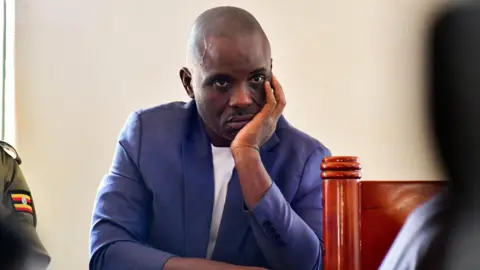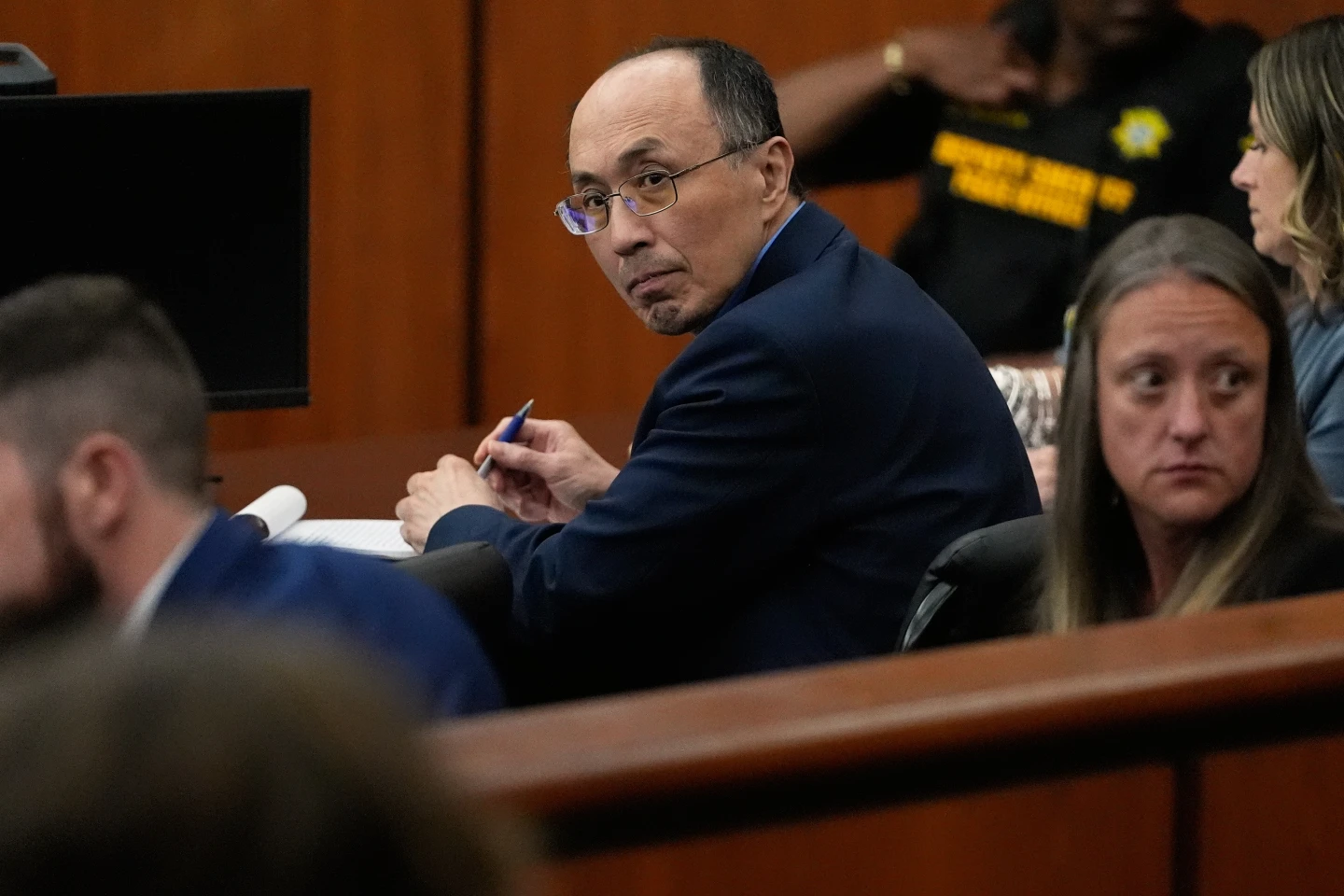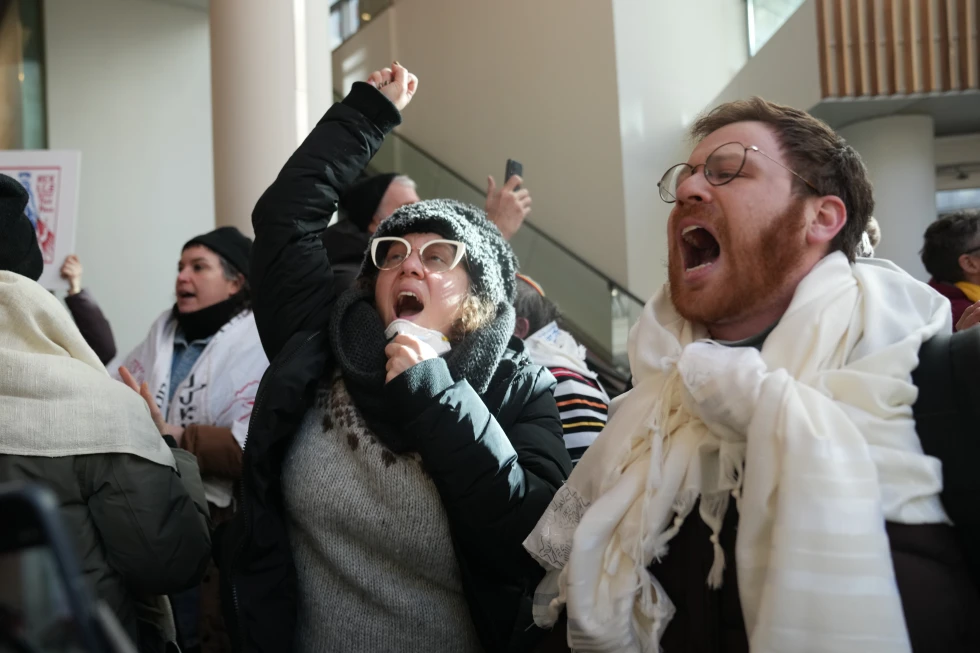
American religious history is marked by acts of protest and civil disobedience, yet political demonstrations inside churches are rare. This week, a protest by anti-ICE activists at Cities Church in St. Paul, Minnesota, interrupted a worship service, resulting in the arrest of three individuals.
The protest was aimed at the church's association with U.S. Immigration and Customs Enforcement (ICE), as one of its pastors is a member of that agency. The interruption evoked significant debate, particularly around the legality and ethical implications of disrupting a sacred space.
Charles C. Haynes from the Freedom Forum noted that disrupting a service is against the law, but civil disobedience is sometimes necessary to draw attention to urgent causes. This viewpoint is shared by Nekima Levy Armstrong, a civil rights attorney who referred to the protest as a moment of judgment in the house of God.
Legal experts recognize the history of worship disruptions, which goes back to early radical Quakers and civil rights activists. Their actions aimed to challenge the status quo, drawing attention to discrimination and social justice issues.
Despite some support for the cause, the method of protest has not been universally accepted even among those who oppose current immigration practices. Leaders like Bishop Mariann Budde expressed concern about safety in houses of worship, emphasizing the need to protect both congregants and marginalized communities from fear.
As the legal ramifications unfold, with potential federal charges carrying significant penalties for the protesting individuals, this incident reinforces the delicate balance between free speech and the sanctity of religious spaces.