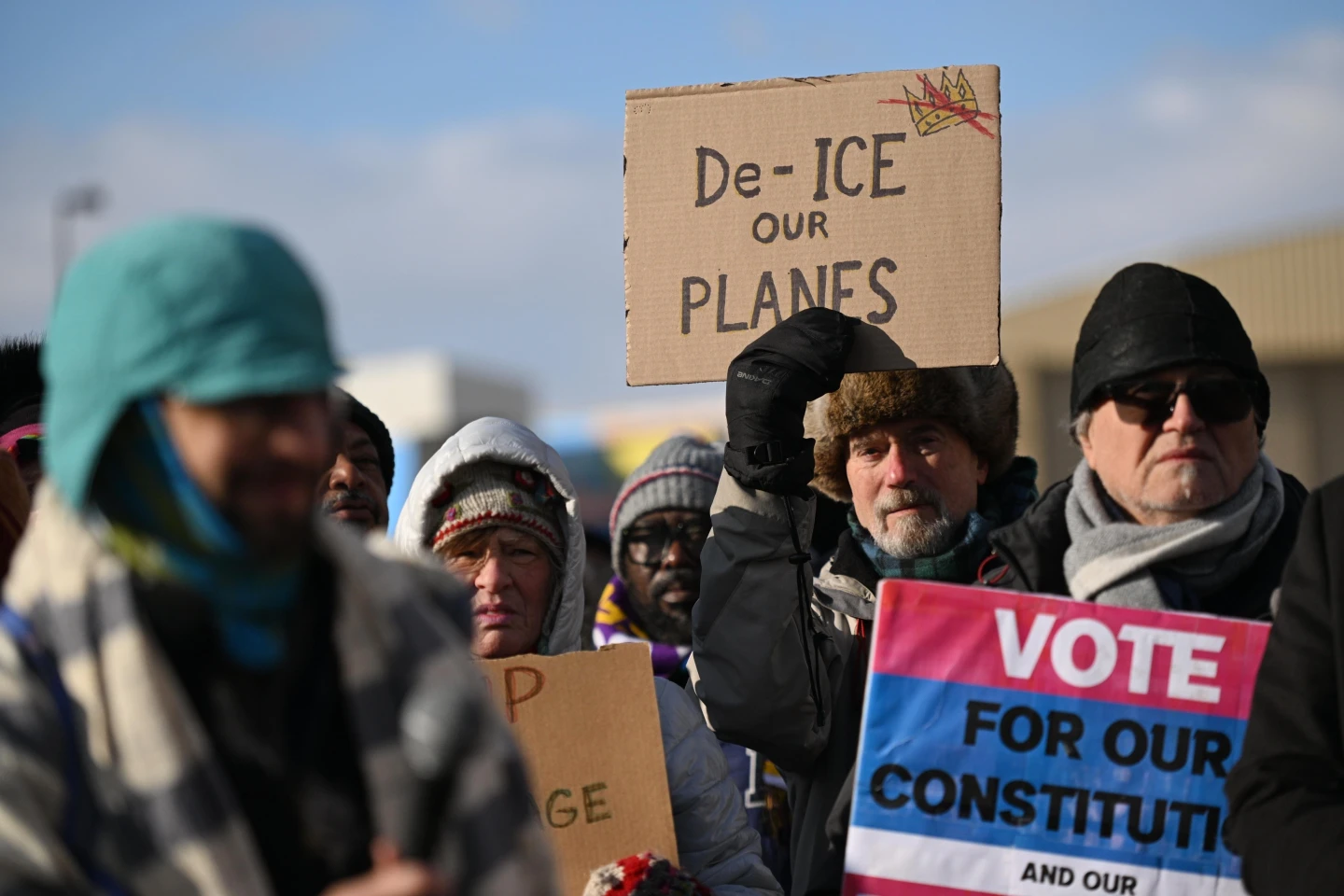
MAYETTA, Kan. (AP) — The Prairie Band Potawatomi Nation, once displaced from the Great Lakes, is facing outrage from its peers over a recent decision to profit from the current U.S. mass deportation efforts initiated by former President Donald Trump.
Last October, a newly formed tribal business entity signed a contentious $30 million federal contract to assist in the design of immigrant detention centers nationwide. In response to mounting criticism, the tribe is reportedly exploring options to withdraw from the agreement.
Despite the backlash, neither tribal leaders nor the U.S. Department of Homeland Security offered clarity on the firm’s selection or the lack of competitive bidding typical of federal contracts. KPB Services LLC, founded by a former naval officer in April, is at the center of this controversy.
In light of the intense backlash, the tribe terminated its economic development leaders who struck the deal. Ray Rice, a 74-year-old tribal member, expressed profound dismay, noting the tribe’s racial solidarity with those affected, stating, “We are brown and they’re brown.”
ICE Contracts Under Scrutiny
Tribal Chairman Joseph “Zeke” Rupnick has promised transparency regarding what he describes as an evolving situation. In a message delivered to tribal members, he hinted at serious discussions with legal counsel about terminating the contract, drawing parallels to the historical injustices faced by their ancestors.
“Our Indian reservations were the government’s first attempts at detention centers,” Rupnick reflected. “We were placed here because we were prisoners of war. So we must ask ourselves why we would ever participate in something that mirrors the harm done to our people.”
Recent Supreme Court decisions have enabled federal agents to conduct comprehensive immigration raids, raising concerns over racial profiling within Native American communities. Some Native Americans have been swept up in recent raids, further amplifying scrutiny regarding ICE’s dealings with tribal nations.
Economic Pressure and Aligned Values
The economic pressures under which tribal entities operate, exacerbated by dwindling federal funding, are forcing some to engage in economically lucrative, yet morally ambiguous contracts. Gabe Galanda, an Indigenous rights attorney, noted how these economic opportunities may come at the cost of core values held by tribal nations.
The Prairie Band Potawatomi runs various businesses, and KPB Services LLC is not mentioned on their official site, raising additional questions about the firm's operations and prior contract experience.
The $19 million contract for basic design work, later expanded to nearly $30 million, stands in stark contrast to the Trump administration’s commitment to eliminating waste in procurement processes, prompting legal challenges to its legitimacy.
Community Reaction and Future Prospects
The community's swift backlash reveals a widespread sentiment against the contract, prompting uncertainty about what the Tribal Council was aware of when the agreement was made. KPB’s creator, Ernest C. Woodward Jr., has been elusive, and questions remain regarding the ultimate motivations behind the contract.
With advocates like Carole Cadue-Blackwood standing against the contract, there is a shared hope within the community that it will not come to fruition. As the backlash intensifies, the future of this contract—and its implications for the tribe’s reputation—hangs in the balance.