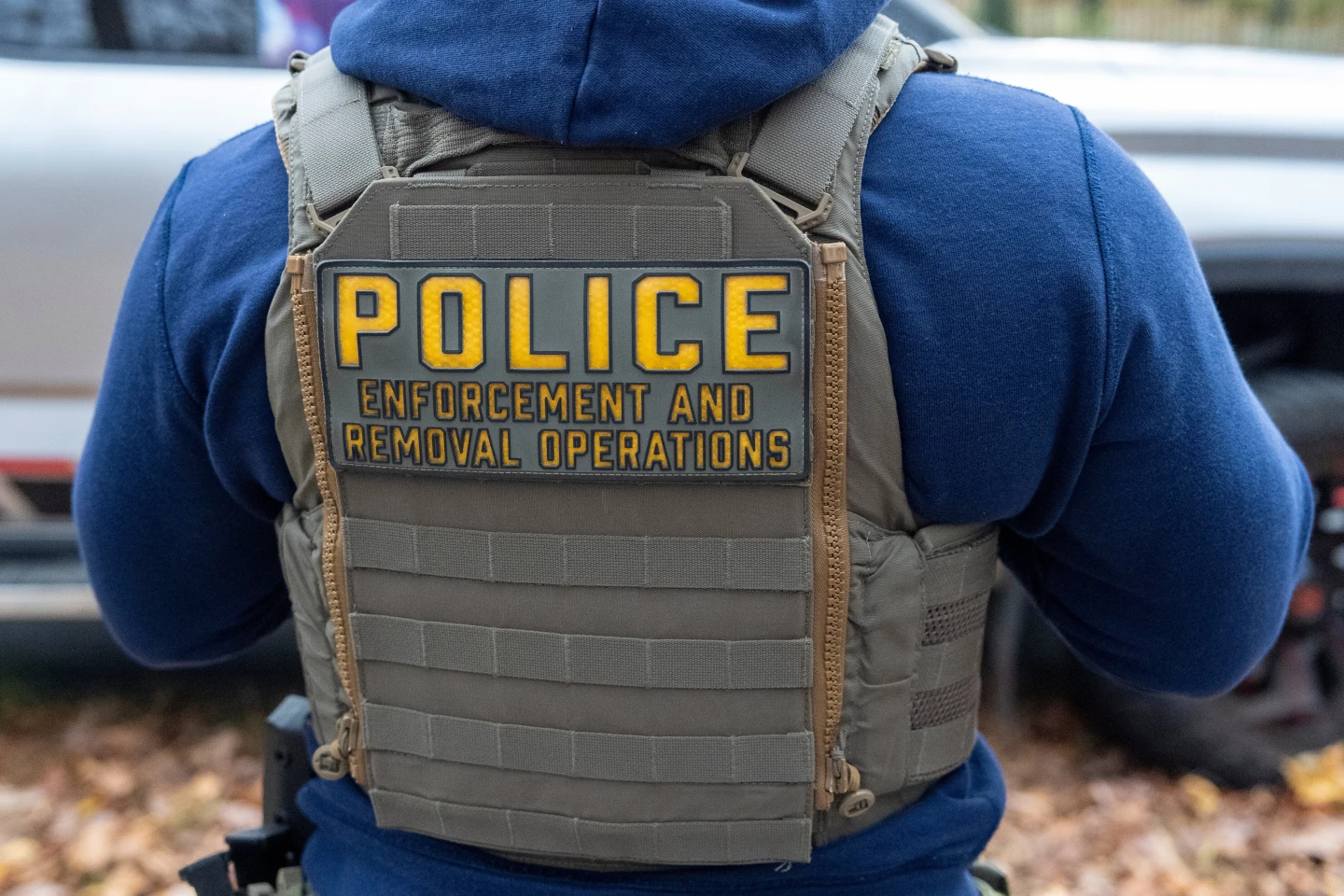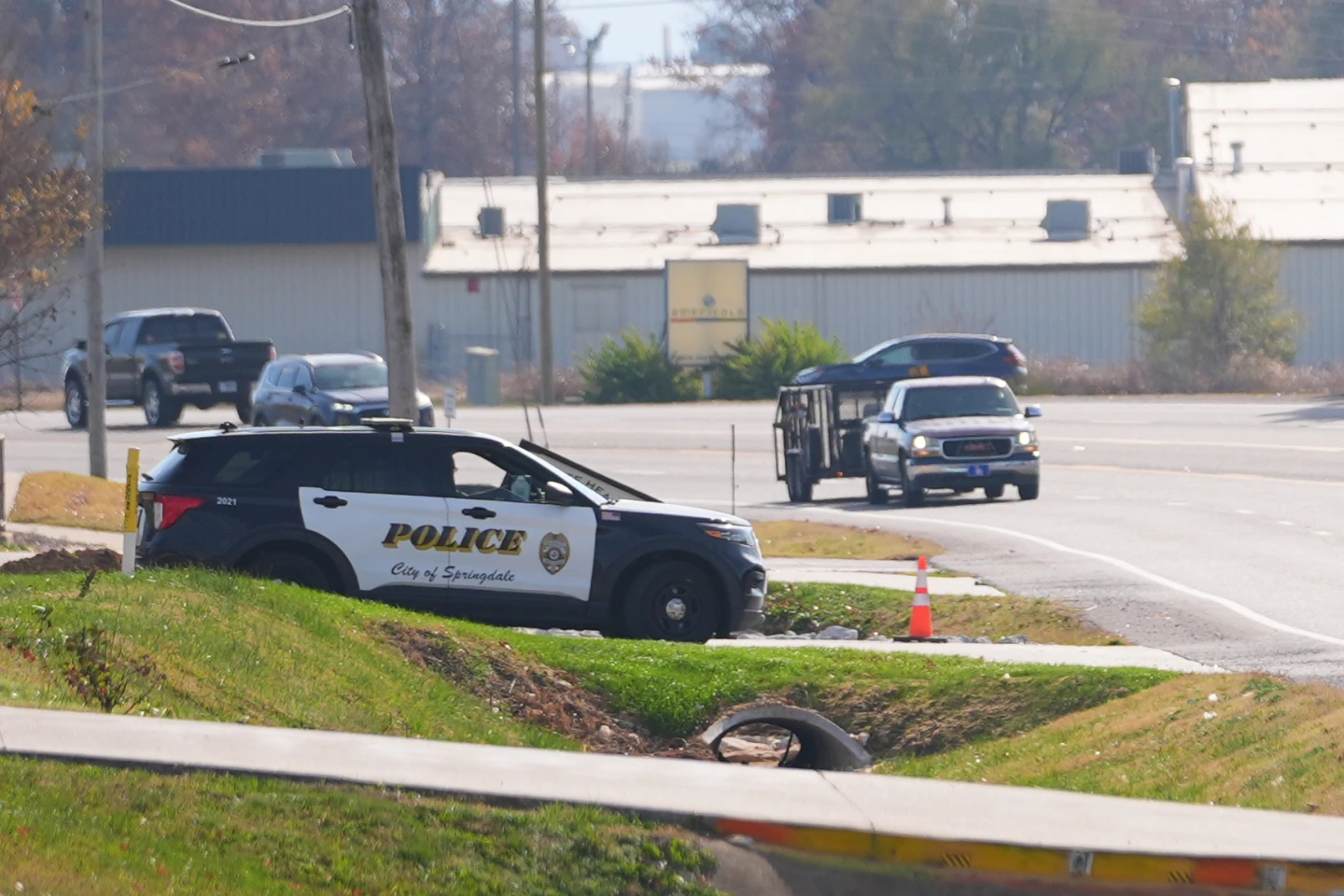
ROGERS, Ark. — Northwest Arkansas has emerged as a significant battleground in the Trump administration’s strict immigration enforcement strategies, largely driven by a partnership between local law enforcement and Immigration and Customs Enforcement (ICE). Through aggressive policing initiatives, particularly traffic stops, the region reflects a broader national trend involving law enforcement collaboration with federal agencies.
A recent investigation revealed that over 450 arrests were made by ICE at the Benton County Jail between January and mid-October, translating to more than 1.5 arrests each day in a population of around 300,000. This spike can largely be attributed to the county's implementation of the 287(g) program, which empowers deputies to query individuals about their immigration status during jail bookings.
Furthermore, this initiative accounted for more than 4% of a total of 7,000 similar program-related arrests across the nation this year. Under the 287(g) agreement, local officers notify ICE of inmates suspected of illegal status, typically leading to their detention without bond and subsequent transfer to ICE facilities for deportation.
ICE arrest data indicates that the individuals apprehended in Benton County span a wide range of offenses, showcasing the program's uneven enforcement approach. While half of those arrested had criminal convictions, others faced charges that varied considerably, including serious offenses like sexual assault and drug trafficking, as well as minor infractions related to driving.
The expansion of such cooperation agreements has surged under the current administration, revealing a total of over 1,180 partnerships with local law enforcement nationwide. These efforts are particularly pronounced in Republican states, with recent legislation in Arkansas mandating cooperation with ICE.
This shift has prompted significant concern among immigrant communities, many of whom now fear racial profiling and have altered their daily activities to avoid contact with law enforcement. Residents have reported feelings of isolation, with one individual stating that their home has become “a kind of jail” due to fears of deportation.
The personal stories emerging from these practices illustrate the human impact behind the statistics. A woman, Cristina Osornio, described her experience of being detained erroneously as a permanent legal resident, accentuating the devastating emotional and financial toll of family separations resulting from stringent immigration policies.
Many advocates continue to call for a reevaluation of these policies, appealing to the need for a more humane approach to immigration enforcement that prioritizes family unity and community safety over punitive measures.